
UK inflation drop a ‘gift-wrapped goodie basket’ for Burnham

With consumer confidence subdued, concerns over rising costs and new technology redefining customer expectations, 2025 was a rollercoaster for all aspects of the retail sector.
General RetailGroceryNewsResearch

UK inflation fell to 2.6 per cent in June as lower fuel costs and easing food price rises offered some respite to cash-strapped households.

The Consumer Prices Index dropped from 2.8 per cent in May and came in below economists’ forecasts of 2.7 per cent, according to the Office for National Statistics.

It marked the weakest increase in consumer prices since March 2025, although inflation remains above the Bank of England’s two per cent target.

Transport and food and non-alcoholic beverages made the largest downward contributions to the headline rate.

Food inflation slowed to 1.7 per cent in June, down from 2.2 per cent the previous month and its lowest level since August 2024.

On a monthly basis, food and non-alcoholic beverage prices fell 0.2 per cent, compared with a 0.3 per cent increase during the same period last year.

The slowdown was partly driven by weaker price rises across meat and vegetables, alongside falling prices for dairy, oils and fats.

Chocolate prices also dropped more sharply than they did in June 2025.

Clothing and footwear prices fell 0.5 per cent year on year, reversing the 0.2 per cent increase recorded in May, as retailers launched their summer sales.

Prices dropped 1.2 per cent between May and June as a greater proportion of fashion products were discounted than during the same period last year.

Falling motor fuel prices had the biggest impact on the overall decline in inflation.

Average diesel prices dropped 10.7p per litre between May and June, while petrol prices fell 2.1p per litre. However, motor fuel prices remained 21.3 per cent higher than a year earlier.

Financial Markets Online director James Bentley said the figures had delivered a “gift-wrapped goodie basket” to Downing Street following Prime Minister Andy Burnham’s pledge to lead a “cost of living” government.

“A couple of months ago it had seemed that Britain was sliding into an inflationary doom loop. No longer,” he said.

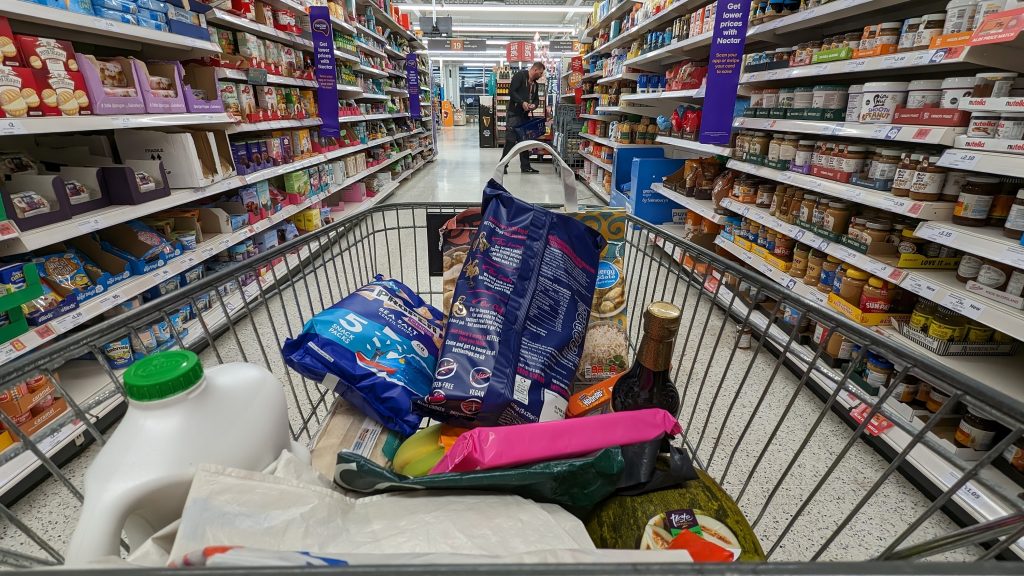
“Nevertheless, Britons will feel the benefits of rapidly cooling inflation. Annual food price rises slowed to 1.7 per cent in June, down from 2.2 per cent in May – and people will notice this in their weekly shop.”

However, Bentley warned that renewed fighting in the Gulf had caused fuel prices to rise again, meaning the recent reduction in inflation could prove temporary.

Core inflation, which strips out volatile categories including food and energy, remained unchanged at 2.6 per cent, while services inflation edged down from 3.7 per cent to 3.6 per cent.

Bentley said the Bank of England now had little reason to raise interest rates in the immediate future and was likely to “watch and wait” for further signs that inflation was stabilising.

Investors expect the central bank to leave its benchmark interest rate unchanged at 3.75 per cent at its next meeting, although financial markets have priced in the possibility of one or two increases before the end of 2026 amid renewed energy price pressures.

Bentley added that holding rates would provide relief for the 1.8m homeowners due to remortgage this year, as well as prospective first-time buyers who had delayed entering the market.

Click here to sign up to Retail Gazette‘s free daily email newsletter

General RetailGroceryNewsResearch

Leave a Reply

Your email address will not be published. Required fields are marked *

Fill out this field
Fill out this field
Please enter a valid email address.

UK inflation drop a ‘gift-wrapped goodie basket’ for Burnham

With consumer confidence subdued, concerns over rising costs and new technology redefining customer expectations, 2025 was a rollercoaster for all aspects of the retail sector.

UK inflation fell to 2.6 per cent in June as lower fuel costs and easing food price rises offered some respite to cash-strapped households.

The Consumer Prices Index dropped from 2.8 per cent in May and came in below economists’ forecasts of 2.7 per cent, according to the Office for National Statistics.

It marked the weakest increase in consumer prices since March 2025, although inflation remains above the Bank of England’s two per cent target.

Transport and food and non-alcoholic beverages made the largest downward contributions to the headline rate.

Food inflation slowed to 1.7 per cent in June, down from 2.2 per cent the previous month and its lowest level since August 2024.

On a monthly basis, food and non-alcoholic beverage prices fell 0.2 per cent, compared with a 0.3 per cent increase during the same period last year.

The slowdown was partly driven by weaker price rises across meat and vegetables, alongside falling prices for dairy, oils and fats.

Chocolate prices also dropped more sharply than they did in June 2025.

Clothing and footwear prices fell 0.5 per cent year on year, reversing the 0.2 per cent increase recorded in May, as retailers launched their summer sales.

Prices dropped 1.2 per cent between May and June as a greater proportion of fashion products were discounted than during the same period last year.

Falling motor fuel prices had the biggest impact on the overall decline in inflation.

Average diesel prices dropped 10.7p per litre between May and June, while petrol prices fell 2.1p per litre. However, motor fuel prices remained 21.3 per cent higher than a year earlier.

Financial Markets Online director James Bentley said the figures had delivered a “gift-wrapped goodie basket” to Downing Street following Prime Minister Andy Burnham’s pledge to lead a “cost of living” government.

“A couple of months ago it had seemed that Britain was sliding into an inflationary doom loop. No longer,” he said.

“Nevertheless, Britons will feel the benefits of rapidly cooling inflation. Annual food price rises slowed to 1.7 per cent in June, down from 2.2 per cent in May – and people will notice this in their weekly shop.”

However, Bentley warned that renewed fighting in the Gulf had caused fuel prices to rise again, meaning the recent reduction in inflation could prove temporary.

Core inflation, which strips out volatile categories including food and energy, remained unchanged at 2.6 per cent, while services inflation edged down from 3.7 per cent to 3.6 per cent.

Bentley said the Bank of England now had little reason to raise interest rates in the immediate future and was likely to “watch and wait” for further signs that inflation was stabilising.

Investors expect the central bank to leave its benchmark interest rate unchanged at 3.75 per cent at its next meeting, although financial markets have priced in the possibility of one or two increases before the end of 2026 amid renewed energy price pressures.

Bentley added that holding rates would provide relief for the 1.8m homeowners due to remortgage this year, as well as prospective first-time buyers who had delayed entering the market.

Click here to sign up to Retail Gazette‘s free daily email newsletter

Social


SUBSCRIBE TO OUR DAILY NEWSLETTER

  • This field is for validation purposes and should be left unchanged.
General RetailGroceryNewsResearch

Leave a Reply

Your email address will not be published. Required fields are marked *

Fill out this field
Fill out this field
Please enter a valid email address.

RELATED STORIES

Latest Feature

Interview: How Palmer’s 20-year logistics partnership is fuelling its European expansion

Palmer’s may be one of the most familiar names on the bathroom shelf, but behind the cocoa butter bottles is a surprisingly small UK operation. ET Browne UK, which distributes the American family-owned skincare brand, has grown its sales while keeping its core team to fewer than 20 people. Now, as a new Tahitian Vanilla range brings younger shoppers to the brand and the company looks to expand further into Europe, the pressure is falling on the supply chain to keep up.

Palmer’s may be one of the most familiar names on the bathroom shelf, but behind the cocoa butter bottles is a surprisingly small UK operation.

ET Browne UK, which distributes the American family-owned skincare brand, has grown its sales while keeping its core team to fewer than 20 people.

Now, as a new Tahitian Vanilla range brings younger shoppers to the brand and the company looks to expand further into Europe, the pressure is falling on the supply chain to keep up.

Read More


Menu


Please enter the verification code sent to your email: