Waitrose outpaces John Lewis as it pushes ahead with £800m overhaul

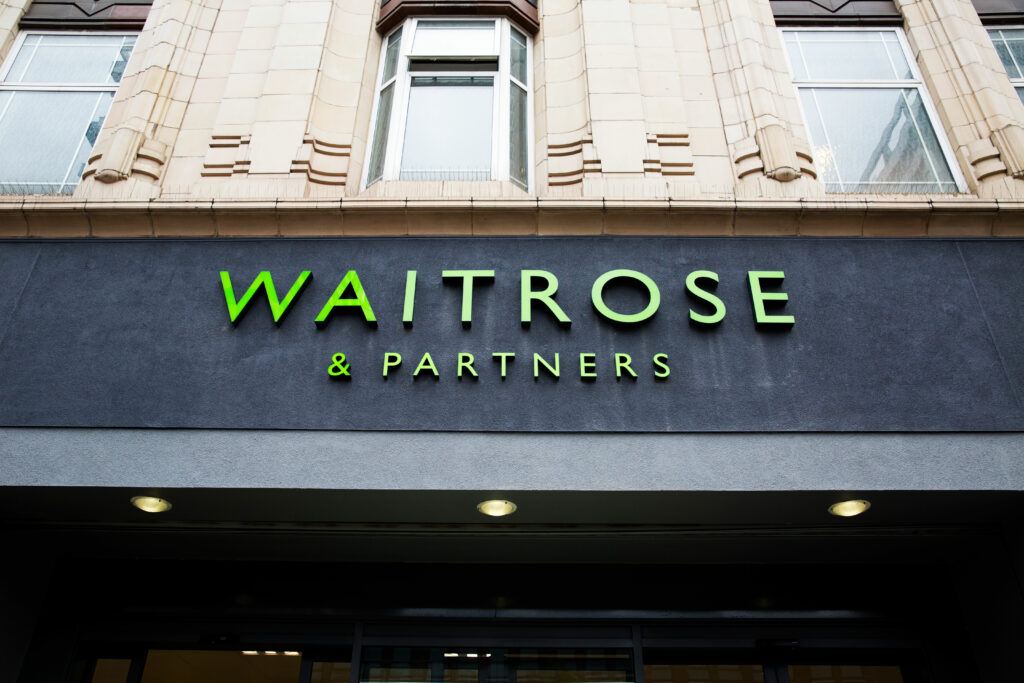
Waitrose Haslemere
Department StoresGroceryNews

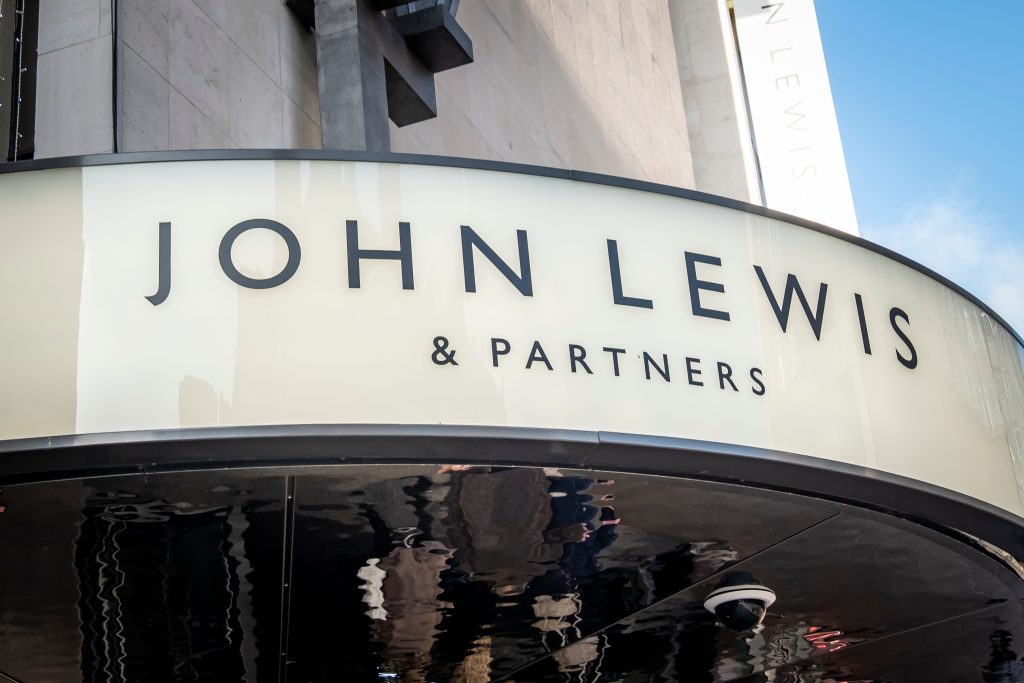
Waitrose is the financial powerhouse of the John Lewis Partnership, as its department store sister battles tougher trading conditions and presses ahead with an £800m transformation programme.

The grocery arm of the company generated £256m in adjusted operating profit in the year to 31 January, more than four times the £58m delivered by John Lewis, despite both businesses growing sales.

Waitrose sales jumped seven per cent to £8.5bn during the period, with volumes rising three per cent, while John Lewis sales increased a more modest three per cent to £4.9bn.

The performance has left the supermarket business in a stronger position as John Lewis Partnership chair Jason Tarry attempts to overhaul both retailers and sharpen the employee-owned group’s focus back on its core retail operations.

The Sunday Times reported that the Partnership is investing £1bn into Waitrose and £800m into John Lewis as it looks to revitalise its two flagship brands, but said the turnaround at the department store was proving more difficult amid weak consumer confidence and pressure on big-ticket spending.

Waitrose presses ahead with £1bn investment

Waitrose has been ramping up investment in its stores, digital proposition and convenience channels.

The supermarket is investing across its entire estate and plans to refurbish 28 shops this year after completing 23 upgrades in 2025. It is also pursuing new stores across a range of formats, including convenience, neighbourhood and full-line supermarkets.

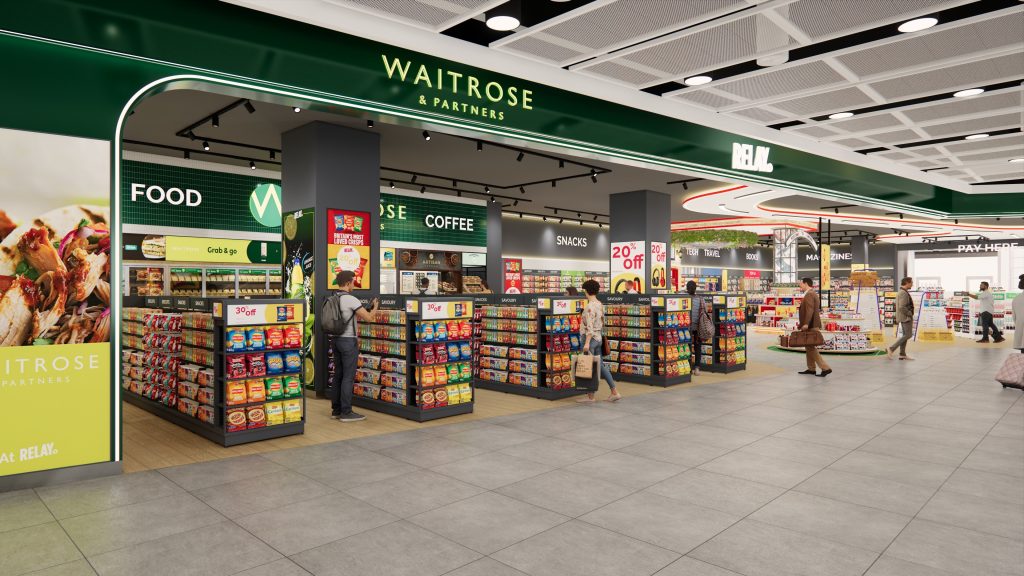
Its £1bn investment programme also includes online operations and partnerships across rapid delivery and travel retail, while the grocer is preparing to open a new distribution centre in Avonmouth to support future growth.

Waitrose attracted five per cent more shoppers in its latest financial year than two years earlier, while online sales rose more than 13 per cent. Its premium Waitrose No.1 range grew by almost 30 per cent.

John Lewis, meanwhile, is undertaking its own £800m transformation as it looks to breathe new life into its department stores and attract shoppers amid intense competition from both the high street and online.

The retailer is investing £50m across five stores this year, including a more than £20m redevelopment of its Glasgow branch, alongside upgrades in Cambridge, Leicester, Reading and Liverpool. It ultimately plans to invest across its entire store estate.

It has also launched a new Sports & Wellness concept at Oxford Street, with Liverpool, Cheadle and Glasgow to follow, bringing together sportswear, technology, fitness equipment and specialist services as part of the wider £800m overhaul.

Elsewhere, John Lewis is revamping its hospitality proposition through its new Platter John Lewis format, which is set to be rolled out across 32 cafés and restaurants by the end of 2027.

John Lewis faces ‘really tough’ trading

Tarry recently warned employees that John Lewis was facing “really tough” trading conditions and expected to contend with lower sales and higher costs. The Partnership is due to publish its first-half results on 10 September.

The warning was followed by the surprise departure of John Lewis managing director Peter Ruis, who will leave the business on 6 September after less than three years in the role.

He will be succeeded in mid-September by Partnership non-executive director Will Kernan, the former chief executive of River Island, The White Company and Wiggle.

Despite the tougher environment, John Lewis increased adjusted operating profit by £13m to £58m in its last financial year and said refurbished stores had consistently delivered sales growth following investment.

Across the Partnership, sales rose five per cent to £13.4bn and underlying profit increased six per cent to £134m, although the group recorded a £21m statutory pre-tax loss after £120m of exceptional charges, largely linked to writing down legacy technology systems.

Click here to sign up to Retail Gazette‘s free daily email newsletter

Department StoresGroceryNews

Leave a Reply

Your email address will not be published. Required fields are marked *

Fill out this field
Fill out this field
Please enter a valid email address.

Waitrose outpaces John Lewis as it pushes ahead with £800m overhaul

Waitrose Haslemere

Waitrose is the financial powerhouse of the John Lewis Partnership, as its department store sister battles tougher trading conditions and presses ahead with an £800m transformation programme.

The grocery arm of the company generated £256m in adjusted operating profit in the year to 31 January, more than four times the £58m delivered by John Lewis, despite both businesses growing sales.

Waitrose sales jumped seven per cent to £8.5bn during the period, with volumes rising three per cent, while John Lewis sales increased a more modest three per cent to £4.9bn.

The performance has left the supermarket business in a stronger position as John Lewis Partnership chair Jason Tarry attempts to overhaul both retailers and sharpen the employee-owned group’s focus back on its core retail operations.

The Sunday Times reported that the Partnership is investing £1bn into Waitrose and £800m into John Lewis as it looks to revitalise its two flagship brands, but said the turnaround at the department store was proving more difficult amid weak consumer confidence and pressure on big-ticket spending.

Waitrose presses ahead with £1bn investment

Waitrose has been ramping up investment in its stores, digital proposition and convenience channels.

The supermarket is investing across its entire estate and plans to refurbish 28 shops this year after completing 23 upgrades in 2025. It is also pursuing new stores across a range of formats, including convenience, neighbourhood and full-line supermarkets.

Its £1bn investment programme also includes online operations and partnerships across rapid delivery and travel retail, while the grocer is preparing to open a new distribution centre in Avonmouth to support future growth.

Waitrose attracted five per cent more shoppers in its latest financial year than two years earlier, while online sales rose more than 13 per cent. Its premium Waitrose No.1 range grew by almost 30 per cent.

John Lewis, meanwhile, is undertaking its own £800m transformation as it looks to breathe new life into its department stores and attract shoppers amid intense competition from both the high street and online.

The retailer is investing £50m across five stores this year, including a more than £20m redevelopment of its Glasgow branch, alongside upgrades in Cambridge, Leicester, Reading and Liverpool. It ultimately plans to invest across its entire store estate.

It has also launched a new Sports & Wellness concept at Oxford Street, with Liverpool, Cheadle and Glasgow to follow, bringing together sportswear, technology, fitness equipment and specialist services as part of the wider £800m overhaul.

Elsewhere, John Lewis is revamping its hospitality proposition through its new Platter John Lewis format, which is set to be rolled out across 32 cafés and restaurants by the end of 2027.

John Lewis faces ‘really tough’ trading

Tarry recently warned employees that John Lewis was facing “really tough” trading conditions and expected to contend with lower sales and higher costs. The Partnership is due to publish its first-half results on 10 September.

The warning was followed by the surprise departure of John Lewis managing director Peter Ruis, who will leave the business on 6 September after less than three years in the role.

He will be succeeded in mid-September by Partnership non-executive director Will Kernan, the former chief executive of River Island, The White Company and Wiggle.

Despite the tougher environment, John Lewis increased adjusted operating profit by £13m to £58m in its last financial year and said refurbished stores had consistently delivered sales growth following investment.

Across the Partnership, sales rose five per cent to £13.4bn and underlying profit increased six per cent to £134m, although the group recorded a £21m statutory pre-tax loss after £120m of exceptional charges, largely linked to writing down legacy technology systems.

Click here to sign up to Retail Gazette‘s free daily email newsletter

Social


SUBSCRIBE TO OUR DAILY NEWSLETTER

  • This field is for validation purposes and should be left unchanged.
Department StoresGroceryNews

Leave a Reply

Your email address will not be published. Required fields are marked *

Fill out this field
Fill out this field
Please enter a valid email address.

RELATED STORIES

Latest Feature


Menu


Close popup

Please enter the verification code sent to your email: