

France riots expose retail’s new looting front as stolen goods flood Vinted

EcommerceFeature Articles

As French retailers count the cost of widespread looting, suspicious listings appearing on resale platforms have shown how quickly losses from the shopfloor can migrate online.

The damage inflicted during a weekend of riots across France did not end when shop shutters came down. Within hours, products resembling those taken from stores began appearing on secondhand marketplaces, turning a wave of physical theft into an urgent ecommerce policing problem.

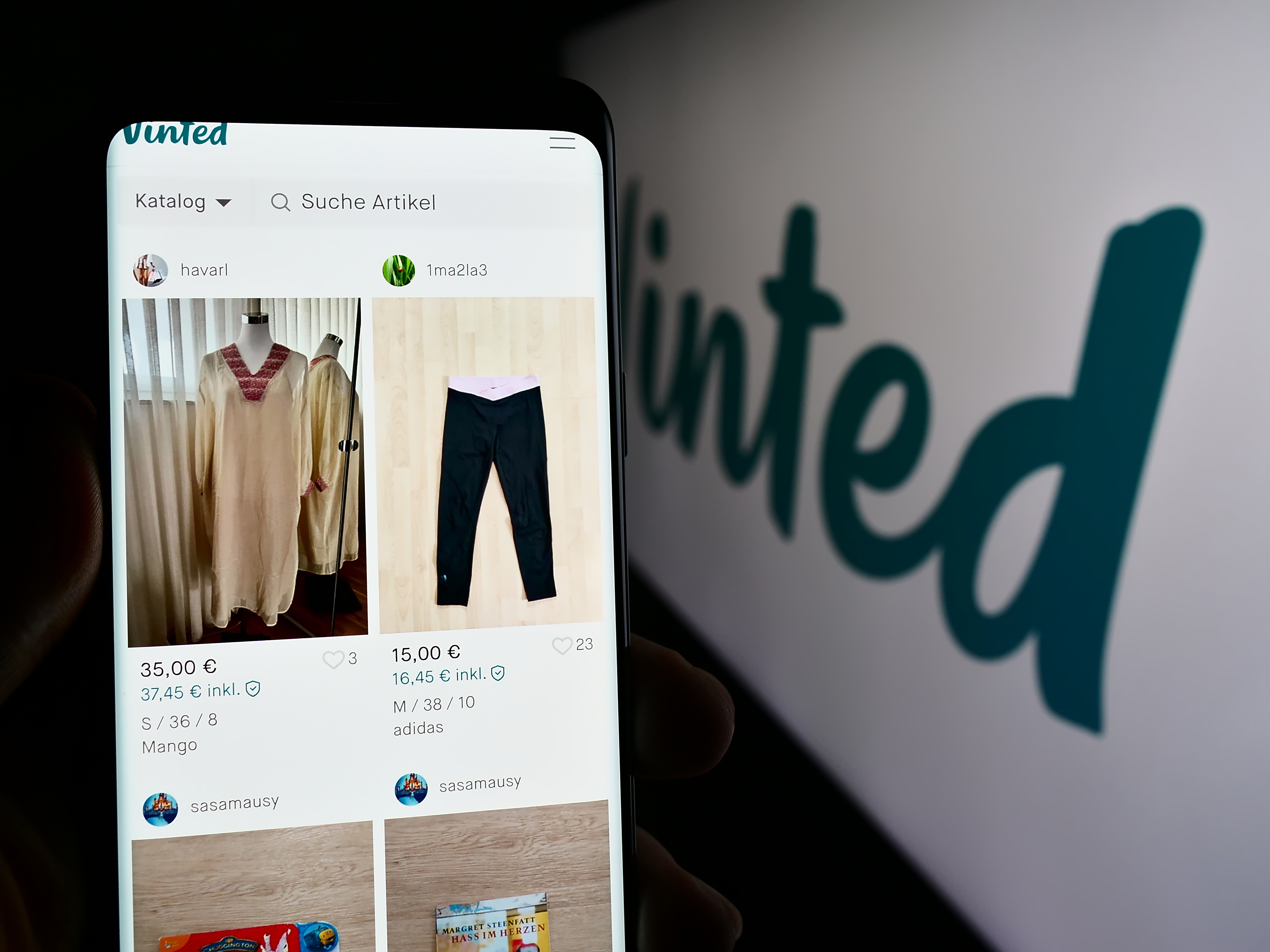
Vinted, which counts France as its largest market, has faced an influx of listings suspected of containing looted goods. Screenshots shared online appeared to show heavily discounted cosmetics, designer products and collectables offered in unusual quantities, fuelling concerns that stolen stock was being rapidly converted into digital inventory.

The resale platform said it had taken “immediate action to identify and remove listings linked to the looting” and stepped up monitoring of suspicious activity. It added that accounts which breach its rules can be permanently banned and that it is working with French authorities and law enforcement.

From smashed windows to digital storefronts

These looting incidents highlight that civil unrest can now move across channels – both physical and digital. Looted goods can be photographed, priced and offered to buyers before retailers have completed a stock count or filed an insurance claim.

Brands are not only faced with protecting staff during this time of unrest and repairing the damage, they must also monitor marketplaces for items that may have come from their own shelves.

Vinted prohibits stolen goods and uses reports from retailers and users to flag listings for investigation. Yet, the scale and speed of the suspected uploads show the difficulty facing consumer-to-consumer platforms.

Of course there are millions of legitimate sellers on such sites, able to list products with little friction but this does mean proof of ownership is rarely straightforward.

Low prices alone do not mean that an item is stolen, while cosmetics, fashion and collectables are commonly sold in multiples. Moderators therefore have to weigh timing, volume, packaging, seller history and reports from affected businesses without sweeping up legitimate listings. The challenge is to move quickly enough to disrupt disposal, while avoiding accusations against innocent sellers.

Retailers face a bill far beyond lost stock

Across France, around 1,500 businesses were reported to have been targeted as education and cost-of-living demonstrations descended into violence. Luxury boutiques, supermarkets, beauty stores, electronics retailers and independent shops were damaged or looted in Paris and other major cities.

Carrefour chief executive Alexandre Bompard said 50 of the group’s stores were targeted, including 19 convenience stores and supermarkets, and put repair costs at more than €10m. The consequences extend to interrupted trading and staffing: employees at franchise partners are expected to be placed on short-time working arrangements while damaged sites remain closed.

Sephora closed its French store network from 5pm on Saturday and kept stores shut on Sunday after several branches were ransacked and staff encountered violence. Catherine Spindler, president of Sephora Europe and the Middle East, said no commercial consideration would outweigh the safety of teams and customers.

Galeries Lafayette, Burberry, Louis Vuitton, Christian Dior Parfums, Celine, Lacoste, Kenzo, Salomon and Arc’teryx were among the names affected.

But trade groups have warned that smaller retailers may be least able to absorb prolonged closures, delayed insurance payments and the cost of rebuilding custom ahead of the key Christmas period.


Marketplaces under pressure to close the loop

The suspected Vinted listings make cooperation between retailers and marketplaces more important. Retailers can provide product identifiers, photographs, stolen serial numbers and details of unusual stock combinations; platforms can use those signals to prioritise reviews, link related accounts and preserve evidence for investigators.

That exchange is more complicated for categories without unique identifiers. A handbag may carry a serial number, but a lipstick or T-shirt usually does not. Where an item cannot be tied directly to a theft, behavioural indicators become crucial: a newly created account listing large quantities of new goods, abruptly discounted products from a recently targeted retailer, or a cluster of sellers using similar imagery.

The response also carries reputational risk. Resale platforms have built their appeal on convenience, value and participation in the circular economy. If shoppers believe stolen goods can be easily traded, trust in that model can erode.

However, overly blunt enforcement could alienate ordinary users whose legitimate listings happen to resemble suspicious stock.

A test of omnichannel resilience

France’s riots are a reminder that loss prevention can no longer stop at the store exit. Crisis plans increasingly need to connect physical security, ecommerce teams, marketplace monitoring, legal advisers and communications staff. A rapid digital response may help recover goods, support insurance claims and prevent stolen stock from competing with legitimate products online.

The pressure is also on such peer-to-peer marketplaces to prove that the same low-friction systems that make resale attractive can also detect abuse during a fast-moving crisis. Vinted’s stepped-up monitoring and cooperation with authorities is an immediate response, but the wider test will be whether marketplaces can turn exceptional action into repeatable processes for retailers confronting the next surge.

The physical clean-up in France may take weeks and the final bill could run to hundreds of millions of euros. The appearance of suspected looted goods online, however, shows that the commercial aftermath began almost immediately. Protecting retail now requires the shopfloor and the digital marketplace to be treated as part of the same crime scene.

Click here to sign up to Retail Gazette‘s free daily email newsletter

EcommerceFeature Articles

Leave a Reply

Your email address will not be published. Required fields are marked *

Fill out this field
Fill out this field
Please enter a valid email address.

EcommerceFeature Articles

Share:

France riots expose retail’s new looting front as stolen goods flood Vinted

As French retailers count the cost of widespread looting, suspicious listings appearing on resale platforms have shown how quickly losses from the shopfloor can migrate online.

The damage inflicted during a weekend of riots across France did not end when shop shutters came down. Within hours, products resembling those taken from stores began appearing on secondhand marketplaces, turning a wave of physical theft into an urgent ecommerce policing problem.

Vinted, which counts France as its largest market, has faced an influx of listings suspected of containing looted goods. Screenshots shared online appeared to show heavily discounted cosmetics, designer products and collectables offered in unusual quantities, fuelling concerns that stolen stock was being rapidly converted into digital inventory.

The resale platform said it had taken “immediate action to identify and remove listings linked to the looting” and stepped up monitoring of suspicious activity. It added that accounts which breach its rules can be permanently banned and that it is working with French authorities and law enforcement.

From smashed windows to digital storefronts

These looting incidents highlight that civil unrest can now move across channels – both physical and digital. Looted goods can be photographed, priced and offered to buyers before retailers have completed a stock count or filed an insurance claim.

Brands are not only faced with protecting staff during this time of unrest and repairing the damage, they must also monitor marketplaces for items that may have come from their own shelves.

Vinted prohibits stolen goods and uses reports from retailers and users to flag listings for investigation. Yet, the scale and speed of the suspected uploads show the difficulty facing consumer-to-consumer platforms.

Of course there are millions of legitimate sellers on such sites, able to list products with little friction but this does mean proof of ownership is rarely straightforward.

Low prices alone do not mean that an item is stolen, while cosmetics, fashion and collectables are commonly sold in multiples. Moderators therefore have to weigh timing, volume, packaging, seller history and reports from affected businesses without sweeping up legitimate listings. The challenge is to move quickly enough to disrupt disposal, while avoiding accusations against innocent sellers.

Retailers face a bill far beyond lost stock

Across France, around 1,500 businesses were reported to have been targeted as education and cost-of-living demonstrations descended into violence. Luxury boutiques, supermarkets, beauty stores, electronics retailers and independent shops were damaged or looted in Paris and other major cities.

Carrefour chief executive Alexandre Bompard said 50 of the group’s stores were targeted, including 19 convenience stores and supermarkets, and put repair costs at more than €10m. The consequences extend to interrupted trading and staffing: employees at franchise partners are expected to be placed on short-time working arrangements while damaged sites remain closed.

Sephora closed its French store network from 5pm on Saturday and kept stores shut on Sunday after several branches were ransacked and staff encountered violence. Catherine Spindler, president of Sephora Europe and the Middle East, said no commercial consideration would outweigh the safety of teams and customers.

Galeries Lafayette, Burberry, Louis Vuitton, Christian Dior Parfums, Celine, Lacoste, Kenzo, Salomon and Arc’teryx were among the names affected.

But trade groups have warned that smaller retailers may be least able to absorb prolonged closures, delayed insurance payments and the cost of rebuilding custom ahead of the key Christmas period.


Marketplaces under pressure to close the loop

The suspected Vinted listings make cooperation between retailers and marketplaces more important. Retailers can provide product identifiers, photographs, stolen serial numbers and details of unusual stock combinations; platforms can use those signals to prioritise reviews, link related accounts and preserve evidence for investigators.

That exchange is more complicated for categories without unique identifiers. A handbag may carry a serial number, but a lipstick or T-shirt usually does not. Where an item cannot be tied directly to a theft, behavioural indicators become crucial: a newly created account listing large quantities of new goods, abruptly discounted products from a recently targeted retailer, or a cluster of sellers using similar imagery.

The response also carries reputational risk. Resale platforms have built their appeal on convenience, value and participation in the circular economy. If shoppers believe stolen goods can be easily traded, trust in that model can erode.

However, overly blunt enforcement could alienate ordinary users whose legitimate listings happen to resemble suspicious stock.

A test of omnichannel resilience

France’s riots are a reminder that loss prevention can no longer stop at the store exit. Crisis plans increasingly need to connect physical security, ecommerce teams, marketplace monitoring, legal advisers and communications staff. A rapid digital response may help recover goods, support insurance claims and prevent stolen stock from competing with legitimate products online.

The pressure is also on such peer-to-peer marketplaces to prove that the same low-friction systems that make resale attractive can also detect abuse during a fast-moving crisis. Vinted’s stepped-up monitoring and cooperation with authorities is an immediate response, but the wider test will be whether marketplaces can turn exceptional action into repeatable processes for retailers confronting the next surge.

The physical clean-up in France may take weeks and the final bill could run to hundreds of millions of euros. The appearance of suspected looted goods online, however, shows that the commercial aftermath began almost immediately. Protecting retail now requires the shopfloor and the digital marketplace to be treated as part of the same crime scene.

Click here to sign up to Retail Gazette‘s free daily email newsletter

Social


SUBSCRIBE TO OUR DAILY NEWSLETTER

  • This field is for validation purposes and should be left unchanged.
EcommerceFeature Articles

Leave a Reply

Your email address will not be published. Required fields are marked *

Fill out this field
Fill out this field
Please enter a valid email address.

RELATED STORIES

Latest Feature


Menu


Please enter the verification code sent to your email: