



As Second-hand September draws to a close Vinted’s Jessie de la Merced explains how convenience, consumer value and innovative infrastructure are pushing resale further into the retail mainstream.
Second-hand may still account for a relatively small share of retail, but Vinted believes the market has substantial room to grow as shoppers rethink what constitutes “new” and what makes a product valuable.
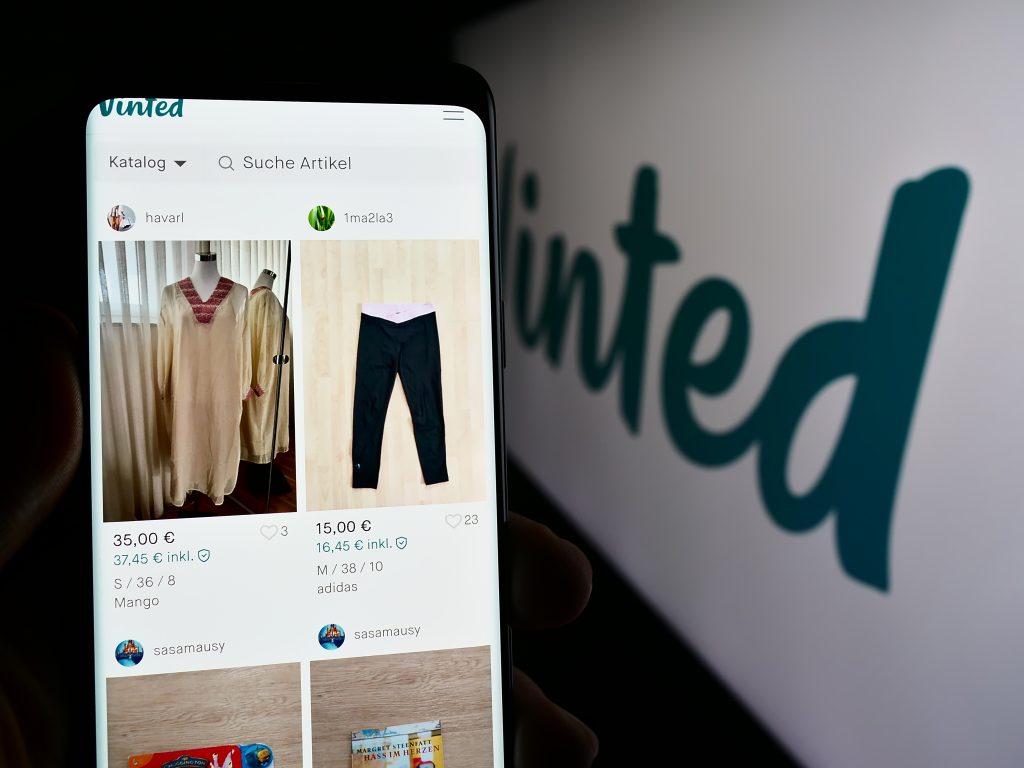
Launched in 2008 as an excess clothing website, the fashion marketplace expanded into the UK in 2014. It has since grown into an European-wide peer-to-peer platform, supported by a model that removes much of the friction once associated with selling pre-loved goods.
Jessie de la Merced, Vinted’s vice-president of corporate affairs, explains: “The UK in particular has always had a really strong culture of buying and selling second-hand, but what Vinted has done is to make it much more seamless.
“Before, you had to go to a car boot sale, sit there all day and hope people bought. Now you can upload it and carry on with your day.”
From new-first to item-first
That ease is meeting a wider shift in household priorities. Shoppers are scrutinising budgets, durability and what happens to products when they no longer need them.
Vinted’s own member research found that 88 per cent check the platform before buying a new fashion item. While, 41 per cent consider resale value before purchasing something new, and 56 per cent say the prospect of reselling encourages them to take better care of their possessions.
“People are not just thinking new first; they’re thinking: ‘I want an item, and what’s the best item for me?’. It’s not that people are only second-hand shoppers or only new shoppers — people tend to be a mix of both,” she notes.
That blended behaviour is making retailers and brands rethink beyond the point of sale. Products designed for durability, repairability and onward resale can retain relevance across several owners. This also opens up the potential for shoppers to access better-quality goods at a price they can afford.
“Consumers really want to think about the value, the lifecycle, the quality, the durability and the repairability of the items they’re choosing to buy,” de la Merced says.
“They’re thinking with a more circular mindset rather than just buy, use and dispose.”
She shares that consumers are now questioning: “Will it last? Is it high quality? Is it something I can sell on?’”

Building beyond fashion
This consumer mindset is not simply for pre-loved clothing. Vinted is now pushing into electronics, homeware, books, sports, hobbies and music.
The expansion has often followed the behaviour of members themselves: sellers were already trying to list non-fashion products before dedicated categories existed.
“People were trying to sell a phone as a t-shirt,” she admits. “We were like, right, we’ll build a category, we know this is an iPhone, it’s not Zara.”
Creating the correct listing fields, from device attributes to a book’s language and ISBN, made those products easier to describe and discover.
But broader choice also demands category-specific safeguards. Vinted offers an optional verification layer for higher-value fashion and electronics.
Additionally, search and product information must be precise enough to connect buyers with the item itself rather than a sea of accessories.
Related Story

The infrastructure behind resale
Vinted is also investing in the operational “rails” that make peer-to-peer commerce practical. Traditional retail logistics typically move stock from one warehouse to many customers; resale must connect many individual senders with many individual recipients.
Through Vinted Go, the company has focused on pick-up and drop-off networks designed for that many-to-many challenge.
“How can we build the shipping networks that mean it doesn’t seem like a headache to buy second-hand?” de la Merced asks.
“As soon as you’ve made it easy, then why not? You get a really great thing for a lower cost, and you can feel good that you’re giving something a second life.”

Trust, safety and rules built for C2C
De la Merced stressed that policymakers broadly support circularity because it can contribute to sustainability, affordability and household resilience. The challenge is ensuring rules written with conventional retail in mind also work for a consumer-to-consumer marketplace without a uniform product catalogue.
“You can’t treat it in the same way that you might treat traditional retailers,” she notes. “We want to make it a safe marketplace, but we also want to make sure that it works for an individual private seller.”
Vinted says 98 per cent of transactions are completed without help from member support, although de la Merced stresses the importance of appeals and support when trades do go wrong. The platform remains predominantly consumer-to-consumer. Professional sellers are permitted only through clearly identified Vinted Pro accounts, and must still follow its second-hand catalogue and safety rules.
Plenty of headroom
Despite rapid growth, second-hand remains a small part of the overall retail market. The opportunity for Vinted lies both in taking a larger share of fashion spend and in normalising resale across a wider range of everyday purchases.
“A vase doesn’t need to be new to be beautiful and work for you,” de la Merced says. “As we continue to make it safer and easier, it will attract more and more people to give it a go.”
Click here to sign up to Retail Gazette‘s free daily email newsletter














1 Comment. Leave new
All well and good, but Vinted has forgotten it needs proper customer service, not a few AI bots.