Urban Outfitters launches Reskinned take-back: Is second-hand fashion going mainstream?

Reskinned
EcommerceFashionFeature ArticlesInsightSustainability

Urban Outfitters has become the latest retailer to partner with second-hand fashion platform Reskinned, as the collaboration launches a take-back scheme.

Customers can now hand over their pre-loved Urban Outfitters pieces and get £10 to spend on something new.

A spokesperson for Reskinned said: “It’s a privilege to partner with Urban Outfitters on this, giving their customers a simple way to keep clothes in use for longer and pass things on responsibly.”

There are currently 30 active brands on the pre-loved platform, including Nobody’s Child, Dune of London, Seasalt, Finisterre and Sweaty Betty. Reskinned taps into the growing consumer demand for quality second-hand products, and empowers brands to offer take-back and resale schemes.


Its model is increasingly attractive because it gives retailers a practical route into circularity, without having to build the infrastructure themselves.

Reskinned handles the operationally complex parts of resale: collection, sorting, grading, cleaning, repair, photography and onward sale. While brands can present customers with a simple take-back offer and a clear sustainability story.

The company says items are routed according to their best next use: pieces in strong condition are resold, those less suited to direct resale are reused elsewhere, and end-of-life garments are recycled responsibly, with a zero-landfill ambition underpinning the process.

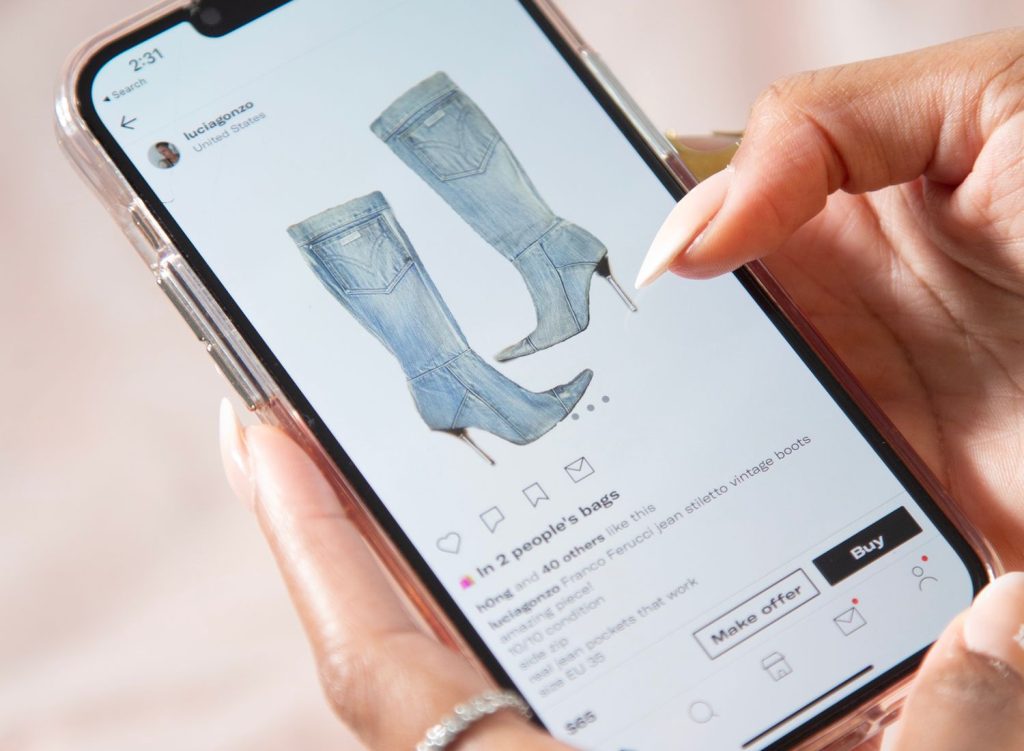
The partnership also reflects the wider shift in how UK consumers are thinking about fashion. Second-hand is no longer a niche habit driven only by bargain hunting or vintage enthusiasts. It has become a mainstream channel shaped by cost pressures, sustainability concerns and the desire for more individual wardrobes.

Resale platforms such as Vinted, Depop and eBay have normalised buying and selling pre-loved clothing, particularly among younger consumers. Charity retail, rental and repair services have all benefited from the same change in mindset.

For retailers, this means circular fashion is moving from a corporate responsibility initiative into a commercial opportunity, allowing brands to remain part of the customer relationship after the first purchase.

UK fashion businesses are responding with a growing mix of take-back schemes, branded resale shops, repair services and recycling partnerships.

Marks & Spencer has launched resale activity with eBay. Others are investing in durability, repairability and better product data, partly in anticipation of regulation and partly because shoppers increasingly expect brands to take responsibility for what happens to clothing once it leaves the till.

These initiatives vary in ambition, but collectively they point to a broader industry shift away from the traditional linear model of make, sell and dispose.

For Urban Outfitters, this latest Reskinned tie-up offers both a customer incentive and a way to participate in the fast-growing recommerce economy.

As second-hand fashion continues to gain ground, schemes like this are becoming an important test of whether major retailers can make circularity convenient, credible and commercially viable — not just as a sustainability add-on, but as part of the future fashion retail model.

Click here to sign up to Retail Gazette‘s free daily email newsletter

EcommerceFashionFeature ArticlesInsightSustainability

Leave a Reply

Your email address will not be published. Required fields are marked *

Fill out this field
Fill out this field
Please enter a valid email address.

Urban Outfitters launches Reskinned take-back: Is second-hand fashion going mainstream?

Reskinned

Urban Outfitters has become the latest retailer to partner with second-hand fashion platform Reskinned, as the collaboration launches a take-back scheme.

Customers can now hand over their pre-loved Urban Outfitters pieces and get £10 to spend on something new.

A spokesperson for Reskinned said: “It’s a privilege to partner with Urban Outfitters on this, giving their customers a simple way to keep clothes in use for longer and pass things on responsibly.”

There are currently 30 active brands on the pre-loved platform, including Nobody’s Child, Dune of London, Seasalt, Finisterre and Sweaty Betty. Reskinned taps into the growing consumer demand for quality second-hand products, and empowers brands to offer take-back and resale schemes.


Its model is increasingly attractive because it gives retailers a practical route into circularity, without having to build the infrastructure themselves.

Reskinned handles the operationally complex parts of resale: collection, sorting, grading, cleaning, repair, photography and onward sale. While brands can present customers with a simple take-back offer and a clear sustainability story.

The company says items are routed according to their best next use: pieces in strong condition are resold, those less suited to direct resale are reused elsewhere, and end-of-life garments are recycled responsibly, with a zero-landfill ambition underpinning the process.

The partnership also reflects the wider shift in how UK consumers are thinking about fashion. Second-hand is no longer a niche habit driven only by bargain hunting or vintage enthusiasts. It has become a mainstream channel shaped by cost pressures, sustainability concerns and the desire for more individual wardrobes.

Resale platforms such as Vinted, Depop and eBay have normalised buying and selling pre-loved clothing, particularly among younger consumers. Charity retail, rental and repair services have all benefited from the same change in mindset.

For retailers, this means circular fashion is moving from a corporate responsibility initiative into a commercial opportunity, allowing brands to remain part of the customer relationship after the first purchase.

UK fashion businesses are responding with a growing mix of take-back schemes, branded resale shops, repair services and recycling partnerships.

Marks & Spencer has launched resale activity with eBay. Others are investing in durability, repairability and better product data, partly in anticipation of regulation and partly because shoppers increasingly expect brands to take responsibility for what happens to clothing once it leaves the till.

These initiatives vary in ambition, but collectively they point to a broader industry shift away from the traditional linear model of make, sell and dispose.

For Urban Outfitters, this latest Reskinned tie-up offers both a customer incentive and a way to participate in the fast-growing recommerce economy.

As second-hand fashion continues to gain ground, schemes like this are becoming an important test of whether major retailers can make circularity convenient, credible and commercially viable — not just as a sustainability add-on, but as part of the future fashion retail model.

Click here to sign up to Retail Gazette‘s free daily email newsletter
Social


SUBSCRIBE TO OUR DAILY NEWSLETTER

  • This field is for validation purposes and should be left unchanged.
EcommerceFashionFeature ArticlesInsightSustainability

Leave a Reply

Your email address will not be published. Required fields are marked *

Fill out this field
Fill out this field
Please enter a valid email address.

RELATED STORIES

Latest Feature


Menu


Close popup

Please enter the verification code sent to your email: