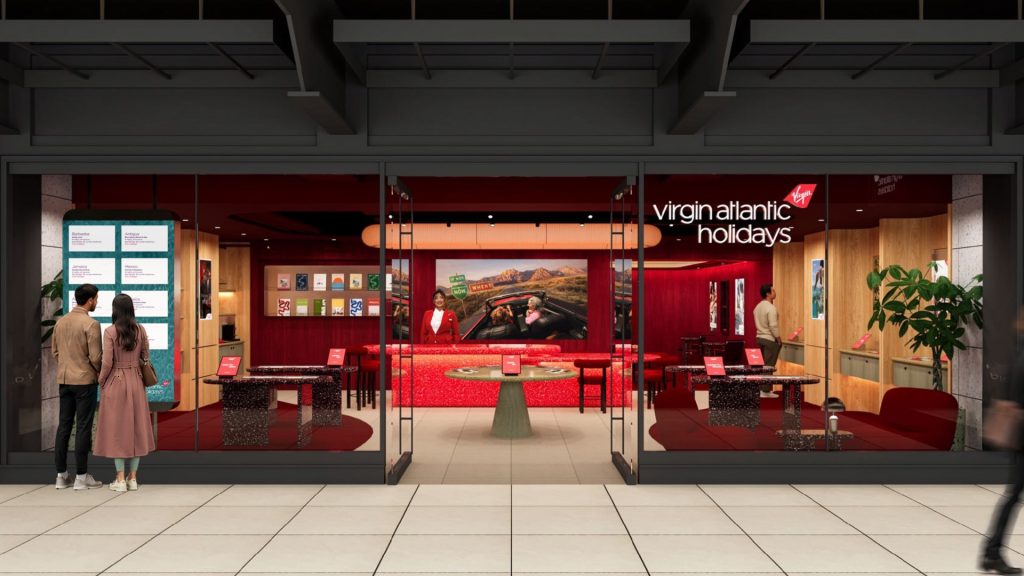



Social media has transformed how we perceive and engage with the world around us, writes Battersea Power Station’s leasing director Harriett Renny.
But how important is social media to landlords making brand decisions on the retail and leisure mix within successful destinations?
Research from Sprout Social last year revealed that 41 per cent of Gen Z use social media first when looking for information, making it their primary tool ahead of traditional search engines. This shift has elevated discoverability from a marketing buzzword to a critical leasing KPI.
As a result, the traditional relationship between landlord and retailer is evolving. In a crowded digital landscape, the ability to cut through and capture attention is increasingly central to how destinations build long-term relevance.
While brands are evaluated on financial credentials, heritage, and concept, progressive retail destinations now recognise an additional metric that has grown in importance: social influence. The question is no longer just whether brands can pay the rent, but whether they can create a positive digital impact that will resonate with consumers and have a halo effect on the wider destination.
At Battersea Power Station, social influence plays an active role in our leasing strategy. Partnering with brands that already command engaged audiences demonstrates immediate demand and helps drive footfall and spend from day one.
We look beyond commercial performance to consider cultural relevance, collaborative mindset, bespoke content creation and a brand’s ability to work authentically with ambassadors and influencers.
The human element matters too, with community-led storytelling – from staff stories and behind-the-scenes moments to “day in the life” content – adding personality and connection, which ultimately drives loyalty.
On the other side, we also remain committed to supporting small, independent businesses offering unique products and experiences that cannot be found elsewhere.
With more than 370,000 followers across Battersea Power Station’s social channels and a newsletter subscriber base exceeding 290,000, we provide a launchpad many independent brands would otherwise struggle to access. By amplifying their visibility, we help grow their own digital influence, creating a genuinely symbiotic relationship.
The physical environment amplifies this effect. Through the meticulous restoration of the Grade II* listed Power Station, we have created one of the world’s most photogenic destinations.
Related Story
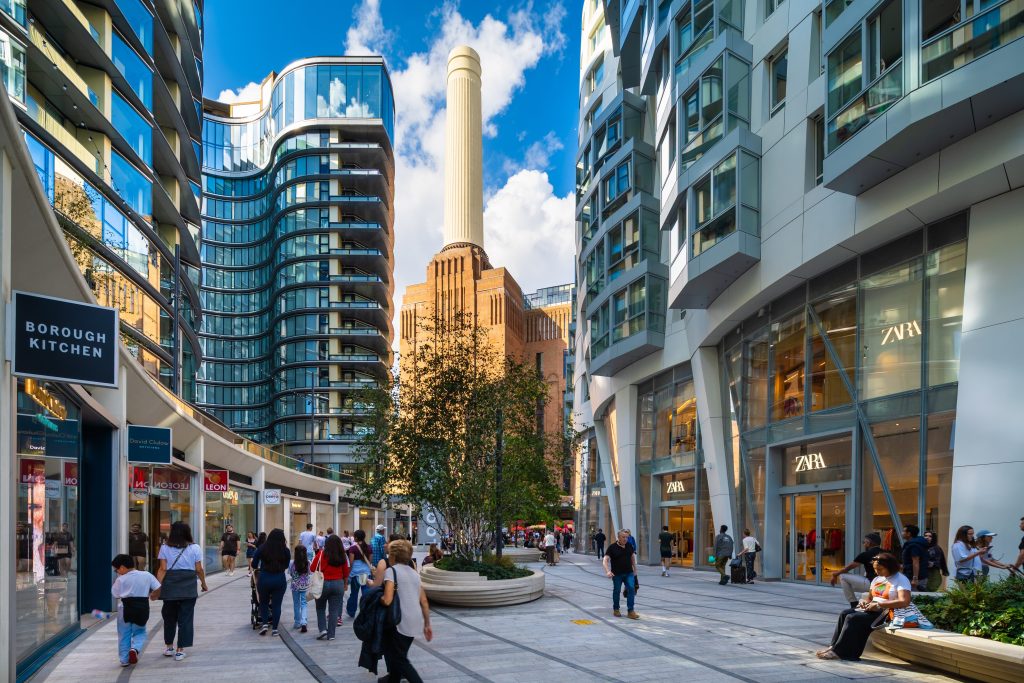
From the 1930s Art Deco aesthetic of Turbine Hall A to the riverside Coaling Jetty, the physical asset acts as a permanent backdrop for content creation. And this visual appeal translates into hard numbers: in 2025 alone, we saw 2.4 million social interactions with a combined reach of over 25 million.
A prime example of the power of social media on retail destinations is Blank Street Coffee. They first arrived at Battersea Power Station in a pop-up truck – a highly shareable format that quickly gained traction on social media and attracted a loyal following.
The response was so strong that they have since opened a permanent store inside the Power Station and hosted a large scale ‘Affogato Gala’ event in Malaysia Square at Battersea Power Station featuring unique desserts, selfie opportunities and free gifts for shoppers, all while keeping the pop-up truck.
Similarly, performance clothing brand Thrudark, with 255,000 Instagram followers, opened its first bricks-and-mortar store at Battersea Power Station after building a substantial online audience.
Edikted, a women’s fashion brand, used Malaysia Square as one of the locations for its London tour, while a collaboration between The Girls Bathroom and Lounge brought a summer pop-up to Power Station Park. Each demonstrating how social engagement can translate into real-world footfall.
This shift isn’t unique to Battersea Power Station, it’s increasingly shaping leasing decisions across London. Culturally dominant and social-first brands are moving from online buzz to physical space, with SKIMS signing a 10-year lease for a 12,000 sq ft flagship on Regent Street with The Crown Estate, due to open in summer 2026.
Gymshark is another example that shows the full social-to-store journey. They built a loyal online following, launched viral pop-ups like the “Gym Laundrette,” and opened permanent stores, proving how social momentum can translate into real-world footfall.
Meanwhile, TikTok continues to influence what “must-see” retail looks like in real life. TikTok’s 2025 shopping trends report highlighted the explosive popularity of POP MART’s Labubu collectibles, with 1.1 billion views on Labubu-related content in 2025.
In London, this translated into a real-world retail moment at Selfridges, which hosted “Labubu’s Blind Box Experience”, with purchases available exclusively through timed booking slots. Seeing the power of the trend, Battersea Power Station signed a lease with POP MART to host a vending machine style ROBOSHOP, which offers dozens of the brand’s iconic characters.
These moments act as magnets for high footfall and at Battersea Power Station that benefit extends beyond individual stores. It supports the wider neighbourhood economy and contributes to an average dwell time of 108 minutes, a figure that reflects a highly engaged visitor base.
Ultimately, social media is where community advocacy is built. Whether it is through influencer partnerships, content created organically by our community and visitors that tells authentic stories, or interactive campaigns like our recent ‘Your Tree on Battersea’ drawing competition with Apple, the goal is to create a place people want to post about.
As we kick-off 2026, social currency’s value will continue to rise as the year progresses. It is the modern metric that drives discoverability, builds community, and ensures that a destination remains relevant in a digital-first world.
Click here to sign up to Retail Gazette‘s free daily email newsletter