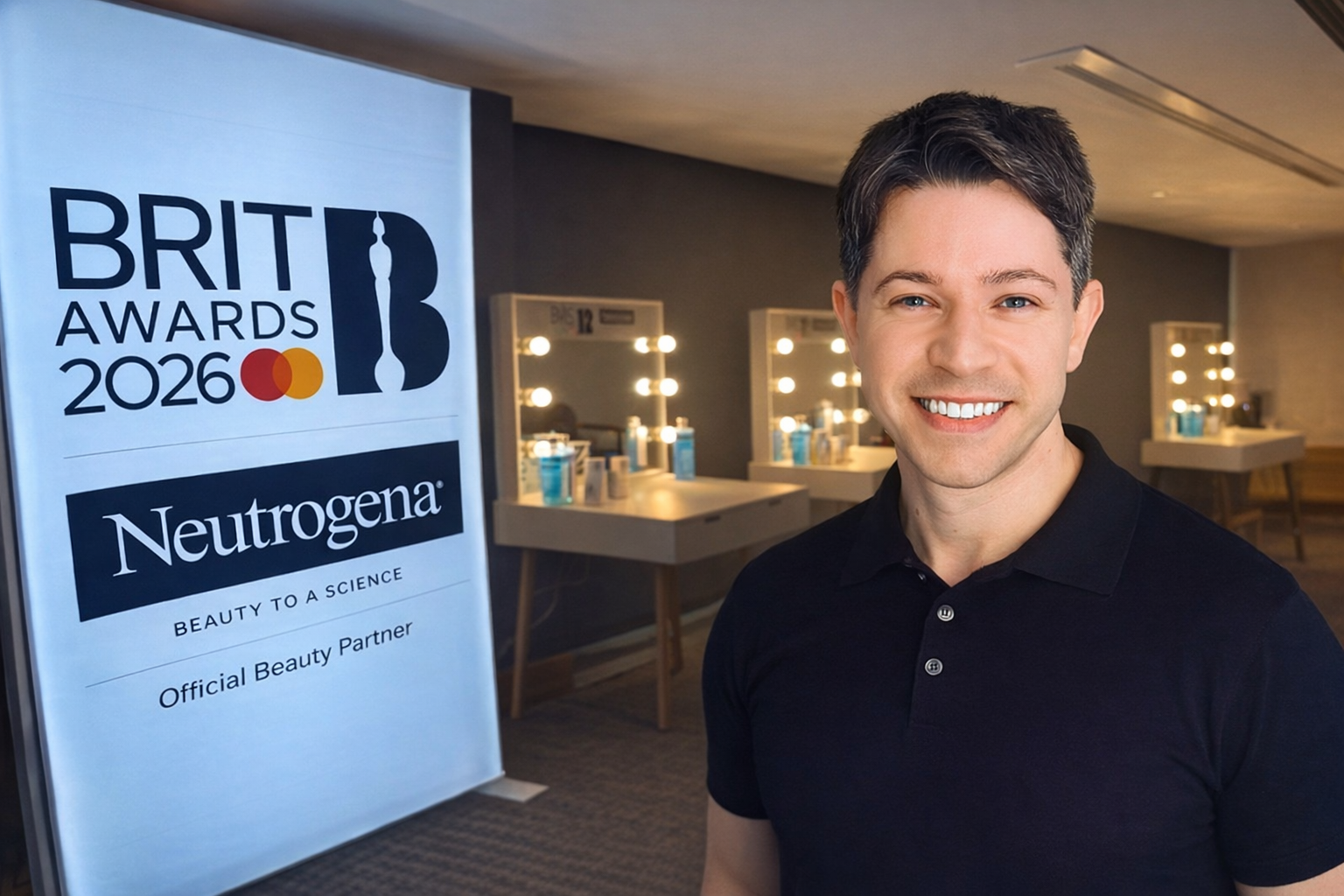
Neutrogena marketing director on partnering with the BRITs and redefining relevance

Big InterviewMarketing

The annual BRIT Awards is a riotous collision of music, fashion, beauty and social conversation. With brand partnerships and celebs galore, it’s a marketer’s dream, if they’re lucky enough to get their foot in the door.

This year, the show took place at Manchester’s Co-op Arena at the end of February, and while the guest list was a who’s who of musicians and notable faces, brands were also out in full force.

One such brand was household name Neutrogena. The brand made a splash as Official Beauty Partner, with its presence visible both in the run-up to and on the night itself. For Anthony Dunn, marketing director of skin health and hair, Northern Europe at Neutrogena UK & Ireland, the partnership was about far more than just visibility.

“The BRIT Awards represent one of the most culturally relevant moments in UK entertainment,” Dunn tells Retail Gazette. “For us, it was the perfect platform to bring Neutrogena and our ‘main character energy’ to life.”

That ambition reflects a broader evolution in how the brand sees itself. “We’re a brand grounded in science-led skincare,” he says, “but increasingly we’re also showing up in the cultural spaces where our consumers are engaging. The BRITs sit right at the intersection of music, fashion, beauty and social conversation, which makes them incredibly powerful from a brand perspective.”

“It allowed us to demonstrate that great skin isn’t just about routine,” Dunn explains. “It’s about confidence in the moments that matter, whether that’s walking a red carpet or heading out with friends.”

This shift is particularly pronounced among younger consumers. Gen Z, in particular, has become both a driving force in the category and one of its most challenging audiences to engage. “Younger audiences don’t engage with brands in the same way previous generations did,” Dunn says. “They expect authenticity, cultural relevance and two-way engagement.”

That expectation has forced a rethink of traditional marketing approaches. Targeting, in its conventional sense, is becoming less effective. Participation (being present within culture rather than broadcasting at it) is increasingly the priority. “For us, it’s not about targeting Gen Z with traditional marketing tactics,” he says. “It’s about credibly being in the spaces where they already are and working with creators and voices they trust.”

This is an audience that is both highly engaged and highly discerning. “Gen Z consumers are incredibly values-driven and highly discerning,” Dunn adds. “They’re looking for brands that are transparent, credible and culturally aware. In skincare particularly, they want to understand how products work and why they’re effective.”

That presents both a challenge and an opportunity for a legacy brand like Neutrogena.

“Our foundation in dermatological science gives us strong credibility,” he says. “But at the same time, they expect brands to show up in culture. That balance between science and cultural relevance is something we’re really focused on delivering.”

The BRITs partnership was designed with that balance in mind from the outset. Developed over several months in collaboration with Ogilvy, the activation was built as a multi-layered campaign rather than a one-off moment.

“Partnerships of this scale require long-term planning and a very collaborative approach,” Dunn explains. “We worked closely with Ogilvy to ensure the activation felt both authentic to the event and meaningful for the brand.”

The strategy was built around three key pillars: cultural relevance, creator engagement and experiential storytelling.

“Cultural relevance was about embedding the brand in one of the UK’s biggest music and entertainment moments,” he says. “Creator and influencer engagement was about bringing ‘Main Character Energy’ to life across social. And experiential storytelling – from our Spotlight Studio to post-event content – was about creating moments that could live both physically and digitally.”
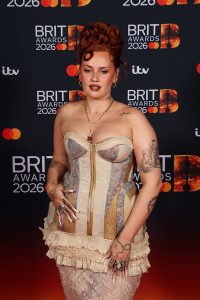
Crucially, the ambition extended beyond the event itself.

“The goal was to create an experience that extended far beyond the red carpet and generated conversation across multiple channels,” Dunn says.

This is where many brands continue to fall short. Without a clear distribution strategy, even the most culturally relevant activation can quickly fade. For Neutrogena, social media was not an afterthought but the engine fuelling the campaign.

“Social is absolutely central to how campaigns like this scale beyond the physical event,” Dunn explains. “While the BRITs provide the cultural moment, social platforms allow that moment to travel, evolve and reach audiences far beyond the venue itself.”

Platforms like TikTok play a particularly important role in that process.

“They allow creators and talent to share authentic, behind-the-scenes perspectives in real time,” he says. “That type of content feels far more relatable than traditional red carpet coverage.”

The shift here isn’t just about format, but about control. Increasingly, it’s creators not brands who shape how stories are told.

“For us, influencer and creator content helps translate the glamour of the BRITs into something more accessible,” Dunn adds. “It shows audiences how they can achieve those same glowing, red-carpet-ready looks themselves.”

Early performance indicators suggest the approach is working. Within 48 hours, more than 100 pieces of content had been generated across social and media channels, with leading creator content approaching 800,000 views on TikTok.

“In the short term, we look at reach, engagement and earned media coverage,” Dunn says. “But the longer-term value is about strengthening cultural relevance and brand affinity, particularly with younger audiences.”

That dual lens (balancing short-term performance with long-term brand building) is becoming one of the defining challenges in modern marketing. “Partnerships like the BRITs allow us to place Neutrogena at the centre of cultural moments,” he says. “That’s what helps build lasting connections with consumers.”
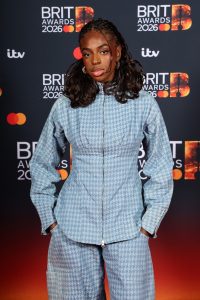
For a brand with Neutrogena’s heritage, the challenge is not just about growth, but about evolution. “Being an iconic brand is both a privilege and a responsibility,” Dunn reflects. “Our heritage in dermatological science is something we stay true to, because it underpins consumer trust.”

But standing still is not an option.

“Relevance comes from how you evolve the way you speak to and engage with consumers in modern culture,” he says. “That means investing in innovation, partnering with creators and talent, and showing up in the spaces where beauty conversations are happening today.”

Looking ahead, that balance will remain central to the brand’s strategy.

“Our focus for the year ahead is continuing to build on the momentum created through partnerships like the BRITs,” Dunn says, “while reinforcing our leadership in science-led skincare.”

It is a dual strategy. Protect the core, evolve the edge. But it’s a strategy that reflects the realities of the market. In an environment where consumers are more informed, more selective and less tolerant of traditional marketing than ever before, showing up credibly in culture is the price of staying relevant.

Click here to sign up to Retail Gazette‘s free daily email newsletter

Image credit: JMEenternational.com

Big InterviewMarketing

Leave a Reply

Your email address will not be published. Required fields are marked *

Fill out this field
Fill out this field
Please enter a valid email address.

Neutrogena marketing director on partnering with the BRITs and redefining relevance

The annual BRIT Awards is a riotous collision of music, fashion, beauty and social conversation. With brand partnerships and celebs galore, it’s a marketer’s dream, if they’re lucky enough to get their foot in the door.

This year, the show took place at Manchester’s Co-op Arena at the end of February, and while the guest list was a who’s who of musicians and notable faces, brands were also out in full force.

One such brand was household name Neutrogena. The brand made a splash as Official Beauty Partner, with its presence visible both in the run-up to and on the night itself. For Anthony Dunn, marketing director of skin health and hair, Northern Europe at Neutrogena UK & Ireland, the partnership was about far more than just visibility.

“The BRIT Awards represent one of the most culturally relevant moments in UK entertainment,” Dunn tells Retail Gazette. “For us, it was the perfect platform to bring Neutrogena and our ‘main character energy’ to life.”

That ambition reflects a broader evolution in how the brand sees itself. “We’re a brand grounded in science-led skincare,” he says, “but increasingly we’re also showing up in the cultural spaces where our consumers are engaging. The BRITs sit right at the intersection of music, fashion, beauty and social conversation, which makes them incredibly powerful from a brand perspective.”

“It allowed us to demonstrate that great skin isn’t just about routine,” Dunn explains. “It’s about confidence in the moments that matter, whether that’s walking a red carpet or heading out with friends.”

This shift is particularly pronounced among younger consumers. Gen Z, in particular, has become both a driving force in the category and one of its most challenging audiences to engage. “Younger audiences don’t engage with brands in the same way previous generations did,” Dunn says. “They expect authenticity, cultural relevance and two-way engagement.”

That expectation has forced a rethink of traditional marketing approaches. Targeting, in its conventional sense, is becoming less effective. Participation (being present within culture rather than broadcasting at it) is increasingly the priority. “For us, it’s not about targeting Gen Z with traditional marketing tactics,” he says. “It’s about credibly being in the spaces where they already are and working with creators and voices they trust.”

This is an audience that is both highly engaged and highly discerning. “Gen Z consumers are incredibly values-driven and highly discerning,” Dunn adds. “They’re looking for brands that are transparent, credible and culturally aware. In skincare particularly, they want to understand how products work and why they’re effective.”

That presents both a challenge and an opportunity for a legacy brand like Neutrogena.

“Our foundation in dermatological science gives us strong credibility,” he says. “But at the same time, they expect brands to show up in culture. That balance between science and cultural relevance is something we’re really focused on delivering.”

The BRITs partnership was designed with that balance in mind from the outset. Developed over several months in collaboration with Ogilvy, the activation was built as a multi-layered campaign rather than a one-off moment.

“Partnerships of this scale require long-term planning and a very collaborative approach,” Dunn explains. “We worked closely with Ogilvy to ensure the activation felt both authentic to the event and meaningful for the brand.”

The strategy was built around three key pillars: cultural relevance, creator engagement and experiential storytelling.

“Cultural relevance was about embedding the brand in one of the UK’s biggest music and entertainment moments,” he says. “Creator and influencer engagement was about bringing ‘Main Character Energy’ to life across social. And experiential storytelling – from our Spotlight Studio to post-event content – was about creating moments that could live both physically and digitally.”

Crucially, the ambition extended beyond the event itself.

“The goal was to create an experience that extended far beyond the red carpet and generated conversation across multiple channels,” Dunn says.

This is where many brands continue to fall short. Without a clear distribution strategy, even the most culturally relevant activation can quickly fade. For Neutrogena, social media was not an afterthought but the engine fuelling the campaign.

“Social is absolutely central to how campaigns like this scale beyond the physical event,” Dunn explains. “While the BRITs provide the cultural moment, social platforms allow that moment to travel, evolve and reach audiences far beyond the venue itself.”

Platforms like TikTok play a particularly important role in that process.

“They allow creators and talent to share authentic, behind-the-scenes perspectives in real time,” he says. “That type of content feels far more relatable than traditional red carpet coverage.”

The shift here isn’t just about format, but about control. Increasingly, it’s creators not brands who shape how stories are told.

“For us, influencer and creator content helps translate the glamour of the BRITs into something more accessible,” Dunn adds. “It shows audiences how they can achieve those same glowing, red-carpet-ready looks themselves.”

Early performance indicators suggest the approach is working. Within 48 hours, more than 100 pieces of content had been generated across social and media channels, with leading creator content approaching 800,000 views on TikTok.

“In the short term, we look at reach, engagement and earned media coverage,” Dunn says. “But the longer-term value is about strengthening cultural relevance and brand affinity, particularly with younger audiences.”

That dual lens (balancing short-term performance with long-term brand building) is becoming one of the defining challenges in modern marketing. “Partnerships like the BRITs allow us to place Neutrogena at the centre of cultural moments,” he says. “That’s what helps build lasting connections with consumers.”

For a brand with Neutrogena’s heritage, the challenge is not just about growth, but about evolution. “Being an iconic brand is both a privilege and a responsibility,” Dunn reflects. “Our heritage in dermatological science is something we stay true to, because it underpins consumer trust.”

But standing still is not an option.

“Relevance comes from how you evolve the way you speak to and engage with consumers in modern culture,” he says. “That means investing in innovation, partnering with creators and talent, and showing up in the spaces where beauty conversations are happening today.”

Looking ahead, that balance will remain central to the brand’s strategy.

“Our focus for the year ahead is continuing to build on the momentum created through partnerships like the BRITs,” Dunn says, “while reinforcing our leadership in science-led skincare.”

It is a dual strategy. Protect the core, evolve the edge. But it’s a strategy that reflects the realities of the market. In an environment where consumers are more informed, more selective and less tolerant of traditional marketing than ever before, showing up credibly in culture is the price of staying relevant.

Click here to sign up to Retail Gazette‘s free daily email newsletter

Image credit: JMEenternational.com

Social


SUBSCRIBE TO OUR DAILY NEWSLETTER

  • This field is for validation purposes and should be left unchanged.
Big InterviewMarketing

Leave a Reply

Your email address will not be published. Required fields are marked *

Fill out this field
Fill out this field
Please enter a valid email address.

RELATED STORIES

Latest Feature


Menu


Close popup

Please enter the verification code sent to your email: