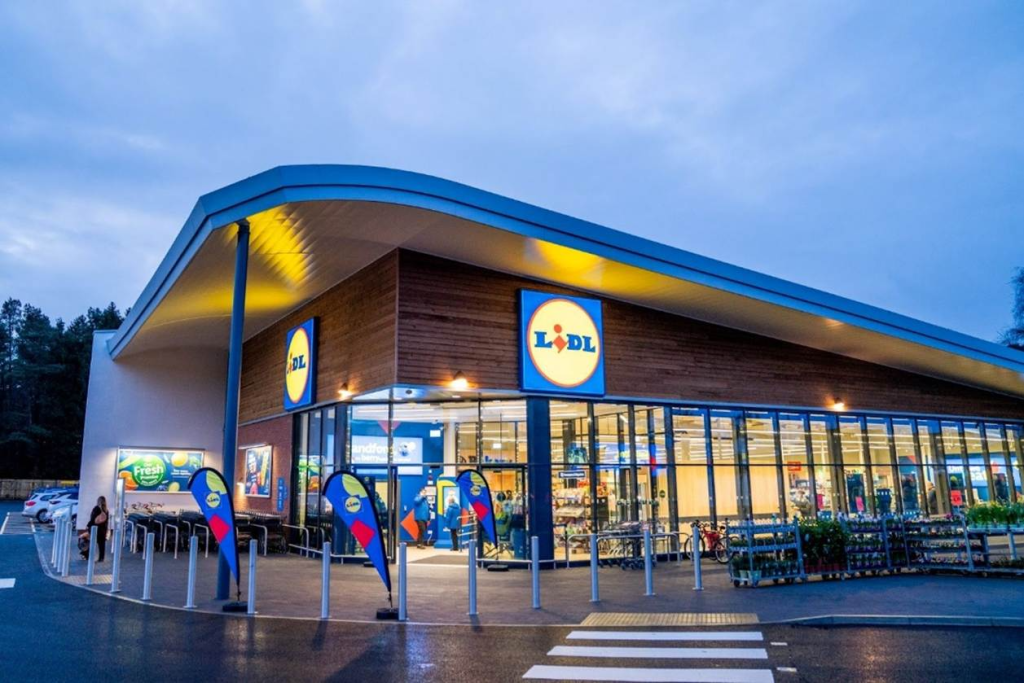


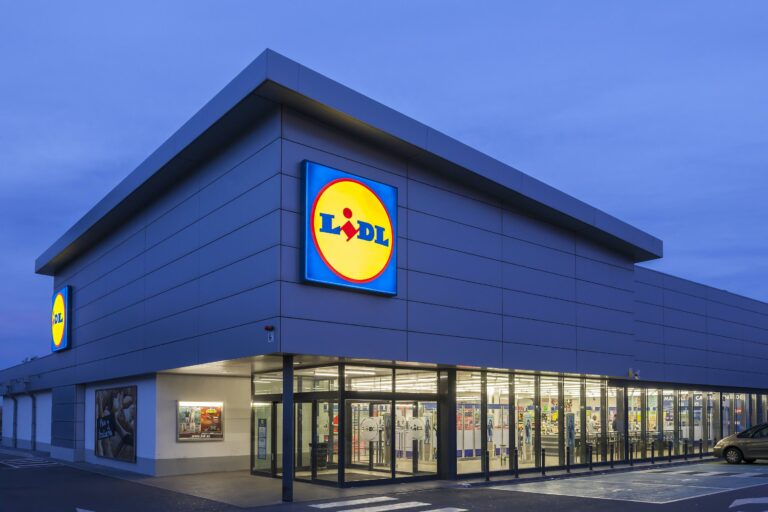
Lidl has rolled out major changes to its loyalty scheme, prompting criticism from shoppers who claim the new system is less generous than the previous offer.
The discounter’s refreshed Lidl Plus scheme, which came into force this week, now allows members to collect points rather than receive reward coupons based on monthly spend thresholds.
Under the new model, shoppers earn one point for every £1 spent. These points can then be exchanged for discounts and freebies through Lidl’s new “rewards marketplace”.
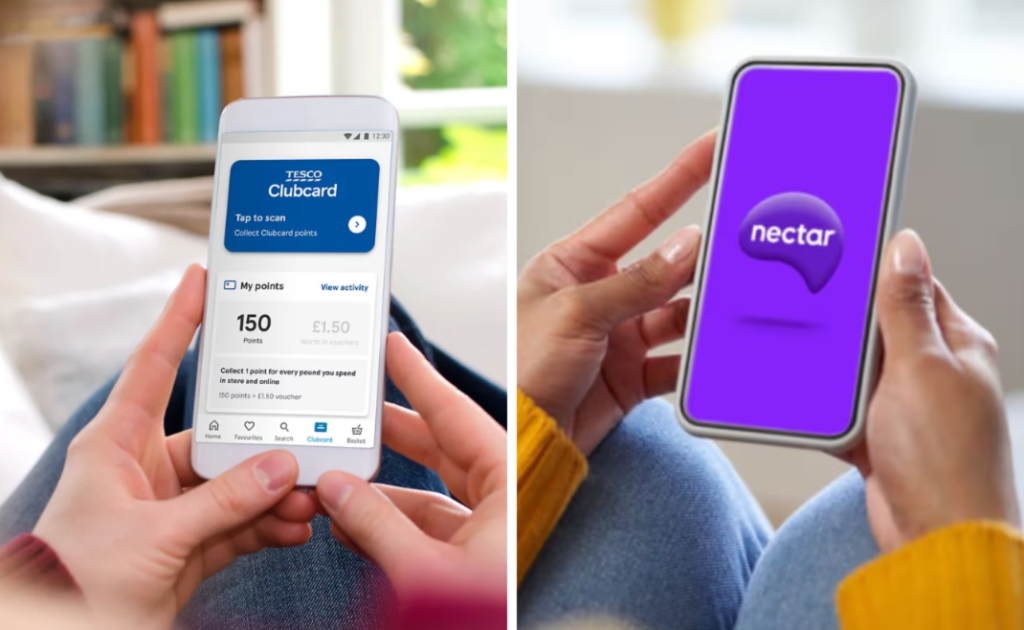
The update brings Lidl Plus more closely in line with other major supermarket loyalty schemes, such as Tesco Clubcard, Sainsbury’s Nectar and Boots Advantage Card, which are built around points-based rewards.
However, the change has not gone down well with some Lidl shoppers.
Under the previous scheme, Lidl Plus members could unlock rewards including 10 per cent off when they spent £250 in a month. Customers spending £10 in a month could also receive a free item from the in-store bakery.
Some shoppers have taken to social media to claim the old system offered better value, with several suggesting the rewards were a key reason they chose to shop at Lidl.
One customer wrote on Reddit: “It’s honestly insulting for them to try and frame this as any sort of improvement.”
Another said: “I can’t imagine anyone asked for this over how it was before.”
A Lidl GB spokesperson defended the changes, insisting customers would “consistently be earning more than one point per £1”.
The spokesperson said this would be supported by campaigns including double points, triple points and free points on selected products.
The update comes as supermarket loyalty pricing remains under scrutiny from shoppers, despite the Competition and Markets Authority concluding last year that loyalty prices generally provide genuine savings.
In November 2024, the CMA said it had analysed around 50,000 grocery products on promotion and found “very little evidence” that supermarkets were inflating usual prices to make loyalty deals appear more attractive.
However, critics of loyalty pricing argue that the discounted price is increasingly seen as the “true” cost of groceries, leaving shoppers without loyalty cards facing higher prices. Concerns have also been raised around the data supermarkets collect through loyalty schemes.
The Lidl loyalty changes also come as Aldi has beaten its rival to be named the UK’s cheapest supermarket for April, according to the latest Which? analysis.
The consumer group found that a basket of 96 popular grocery items cost £172.77 on average at Aldi, making it the cheapest supermarket in the comparison.
Lidl came second, with the same basket costing £175.20 when Lidl Plus discounts were included — £2.43 more than Aldi.
Waitrose was the most expensive supermarket for the smaller basket, coming in at £242.04. This was £69.27 more expensive than Aldi, equivalent to a 40 per cent difference.
Asda took fourth place at £197.91, ahead of Tesco with Clubcard at £199.11.
For a larger trolley of 221 items, Asda was the cheapest overall at £567.56. Sainsbury’s shoppers without a Nectar card paid £637.47, making it 12 per cent more expensive than Asda, while Waitrose remained the most expensive at £659.58.
The Which? analysis included special offer and loyalty prices where applicable, but excluded multibuys.
Which? retail editor Reena Sewraz said: “Aldi remains the cheapest supermarket in the UK, while the gap between the cheapest and most expensive option for shoppers has widened to a chasm.
“Our data shows that loyalty schemes like Clubcard and Nectar continue to play a huge role in pricing, but it’s important to remember that some retailers, like Aldi, are offering these low prices to everyone, regardless of whether they have a loyalty card or not.
“With the cost of living still a major worry for UK households, being selective about where you shop can save you over 40 per cent.”
Click here to sign up to Retail Gazette‘s free daily email newsletter