
Dynamic pricing isn’t the problem, says former Asda chief

The backlash against FIFA's dynamic pricing model for World Cup tickets has reignited concerns about retailers using technology to alter prices in real time.
5 minutes with...Big InterviewFeature ArticlesGeneral RetailGroceryInsightSupply ChainTechnology

The real issue, he argues, is not dynamic pricing itself but whether customers understand what is happening and whether they believe they are being treated fairly.

“People think dynamic pricing is the problem,” he says: “Insult pricing is the problem.”

For Hill, the distinction is important. Consumers have long accepted fluctuating prices in airlines, hotels and holidays because the rules are broadly understood.

“No one hides it,” he notes. “People are aware that the price goes up and the price goes down depending on demand. In fact, people quite like it because they think, ‘I’ve got a bargain’.”

By contrast, resentment grows when customers feel blindsided. “The price they thought they were going to pay isn’t the price they’ve ended up paying,” he says. “That’s where it becomes an insult.”

He points to ticketing platforms as an example. Customers often see one advertised price, only to discover a higher figure at checkout. Worse still, a ticket selected at one price can become more expensive before payment is completed.

“That is the ultimate kick in the teeth,” he says.

Retail Gazette caught up with Hill to discuss the future of supermarket pricing, why personalised offers, rather than surge pricing, are likely to shape the next chapter of grocery retail, and why misconceptions about electronic shelf-edge labels risk obscuring the real debate around trust.

Why supermarkets are different

The discussion comes as a growing number of UK retailers invest in electronic shelf-edge labels (ESLs), technology that allows prices and promotions to be updated centrally without replacing paper tickets.

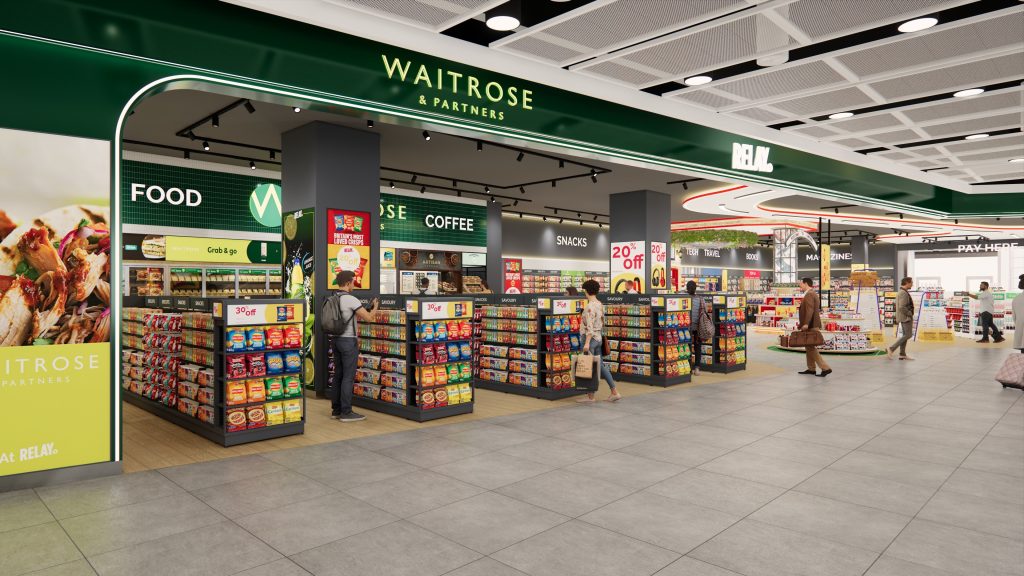
Co-op has already rolled out the technology to more than 700 stores and plans to have it across its entire estate of more than 2,300 shops during 2026, while retailers including Lidl, Asda, Waitrose and Morrisons have also introduced ESLs across parts of their estates.

Critics have raised concerns that the technology could pave the way for supermarket “surge pricing”, although retailers maintain the primary benefits lie in operational efficiency, inventory management and reducing paper waste.

While airlines and concert promoters can often justify variable pricing through supply and demand, Hill believes supermarkets operate under a different social contract.

Grocers sell products that people need rather than simply want, creating a different set of expectations around fairness.

Photo: Lidl. Hill believes retailers need to address the misconceptions around ESL to ensure consumer trust

“There are staples and things that people need to buy,” he says, citing milk, bread, cheese and butter as examples. “You don’t ever want to see people who can afford to pay more being charged more, or people who need those products being charged more because they’re not part of a loyalty programme.”

Some categories, he suggests, should remain effectively untouchable.

“If people felt like they were getting charged more for sanitary products, for something they need and sometimes can’t afford, that would be the ultimate example of insult pricing within grocery.”

This is why he dismisses fears that electronic shelf-edge labels will usher in a future where supermarket prices fluctuate throughout the day.

“People are focusing on the fact that you can change the price whenever you want,” he says. “That’s not why most retailers are introducing the technology.”

The primary attraction is operational. Digital labels remove the cost and labour involved in manually replacing paper tickets, allowing retailers to reinvest those savings elsewhere.

“I would be shocked if retailers were genuinely thinking about changing prices at the shelf edge regularly,” he says. “You will not see prices changing on the shelf edge intraday at a supermarket.”

The future lies in personalised offers

Where Hill does see pricing evolving is through targeted promotions and loyalty schemes.

In his view, much of what is currently described as personalised pricing is better understood as personalised offers.

“It is a misnomer,” he says. “It’s not personalised pricing. It’s personalised offers.”

Consumers have already become comfortable receiving offers based on their shopping habits, he argues, particularly when the process is transparent and easy to access.

“The most important thing is that I know how to access those prices,” he says. “Everyone has to be able to understand them.”

He points to supermarket loyalty schemes as evidence that customers are willing to engage with personalised deals when they feel they are receiving something relevant.

“If your deals are different to my deals because of my buying profile, I think people are comfortable with that.”

Hill says the key is ensuring the customer benefits alongside the retailer and supplier.

“Everyone has to feel like they’re winning.”

That could mean rewarding shoppers on products they regularly buy, or introducing them to products they may not otherwise have considered. Hill uses Häagen-Dazs as an example: a discretionary Friday-night treat rather than an essential purchase.

Photo: Shutterstock.  Pricing could evolve through targeted promotions and loyalty schemes, according to Hill.

“If there was a great offer on that ice cream and I fancied it, then the customer wins because it’s relevant to them. The supplier wins because they sell more product. The retailer wins because I’ve spent more with that retailer.”

The principle is simple, he says: focus offers on products people want rather than products they need.

Trust remains retail’s most valuable currency

Looking ahead, Hill says he expects retailers and suppliers to become increasingly sophisticated in how they target promotions. Broad, expensive discounts offered to everyone are likely to give way to more tailored incentives based on shopping behaviour.

He also predicts that the traditional yellow-sticker markdown section will become more digital, with customers receiving app-based notifications about products that need to be sold before reaching the end of their shelf life.

And the stakes are significant. According to WRAP estimates cited by the UK Government, the retail sector generated around 234,000 tonnes of food waste in 2021, or roughly 2% of the UK’s total food waste of 10.7 million tonnes.

While retailers account for a relatively small share compared with households, the volume still represents hundreds of thousands of tonnes of edible food each year. Industry bodies increasingly view smarter markdowns and inventory management as key tools in reducing those losses

Yet despite the technology now available, he believes the industry’s success will continue to depend on something much older.

“Trust is an absolute driver of customer satisfaction and loyalty,” he stresses.

For retailers considering how to use digital pricing tools, that trust may prove more important than the technology itself.

“The most important thing in retail is you’ve got to be authentic,” Hill says. “What you say has absolutely got to be what you stand for and what you do. As long as those two things match, you put yourself in a position of strength.”

Click here to sign up to Retail Gazette‘s free daily email newsletter

5 minutes with...Big InterviewFeature ArticlesGeneral RetailGroceryInsightSupply ChainTechnology

Leave a Reply

Your email address will not be published. Required fields are marked *

Fill out this field
Fill out this field
Please enter a valid email address.

Dynamic pricing isn’t the problem, says former Asda chief

The backlash against FIFA's dynamic pricing model for World Cup tickets has reignited concerns about retailers using technology to alter prices in real time.

The real issue, he argues, is not dynamic pricing itself but whether customers understand what is happening and whether they believe they are being treated fairly.

“People think dynamic pricing is the problem,” he says: “Insult pricing is the problem.”

For Hill, the distinction is important. Consumers have long accepted fluctuating prices in airlines, hotels and holidays because the rules are broadly understood.

“No one hides it,” he notes. “People are aware that the price goes up and the price goes down depending on demand. In fact, people quite like it because they think, ‘I’ve got a bargain’.”

By contrast, resentment grows when customers feel blindsided. “The price they thought they were going to pay isn’t the price they’ve ended up paying,” he says. “That’s where it becomes an insult.”

He points to ticketing platforms as an example. Customers often see one advertised price, only to discover a higher figure at checkout. Worse still, a ticket selected at one price can become more expensive before payment is completed.

“That is the ultimate kick in the teeth,” he says.

Retail Gazette caught up with Hill to discuss the future of supermarket pricing, why personalised offers, rather than surge pricing, are likely to shape the next chapter of grocery retail, and why misconceptions about electronic shelf-edge labels risk obscuring the real debate around trust.

Why supermarkets are different

The discussion comes as a growing number of UK retailers invest in electronic shelf-edge labels (ESLs), technology that allows prices and promotions to be updated centrally without replacing paper tickets.

Co-op has already rolled out the technology to more than 700 stores and plans to have it across its entire estate of more than 2,300 shops during 2026, while retailers including Lidl, Asda, Waitrose and Morrisons have also introduced ESLs across parts of their estates.

Critics have raised concerns that the technology could pave the way for supermarket “surge pricing”, although retailers maintain the primary benefits lie in operational efficiency, inventory management and reducing paper waste.

While airlines and concert promoters can often justify variable pricing through supply and demand, Hill believes supermarkets operate under a different social contract.

Grocers sell products that people need rather than simply want, creating a different set of expectations around fairness.

Photo: Lidl. Hill believes retailers need to address the misconceptions around ESL to ensure consumer trust

“There are staples and things that people need to buy,” he says, citing milk, bread, cheese and butter as examples. “You don’t ever want to see people who can afford to pay more being charged more, or people who need those products being charged more because they’re not part of a loyalty programme.”

Some categories, he suggests, should remain effectively untouchable.

“If people felt like they were getting charged more for sanitary products, for something they need and sometimes can’t afford, that would be the ultimate example of insult pricing within grocery.”

This is why he dismisses fears that electronic shelf-edge labels will usher in a future where supermarket prices fluctuate throughout the day.

“People are focusing on the fact that you can change the price whenever you want,” he says. “That’s not why most retailers are introducing the technology.”

The primary attraction is operational. Digital labels remove the cost and labour involved in manually replacing paper tickets, allowing retailers to reinvest those savings elsewhere.

“I would be shocked if retailers were genuinely thinking about changing prices at the shelf edge regularly,” he says. “You will not see prices changing on the shelf edge intraday at a supermarket.”

The future lies in personalised offers

Where Hill does see pricing evolving is through targeted promotions and loyalty schemes.

In his view, much of what is currently described as personalised pricing is better understood as personalised offers.

“It is a misnomer,” he says. “It’s not personalised pricing. It’s personalised offers.”

Consumers have already become comfortable receiving offers based on their shopping habits, he argues, particularly when the process is transparent and easy to access.

“The most important thing is that I know how to access those prices,” he says. “Everyone has to be able to understand them.”

He points to supermarket loyalty schemes as evidence that customers are willing to engage with personalised deals when they feel they are receiving something relevant.

“If your deals are different to my deals because of my buying profile, I think people are comfortable with that.”

Hill says the key is ensuring the customer benefits alongside the retailer and supplier.

“Everyone has to feel like they’re winning.”

That could mean rewarding shoppers on products they regularly buy, or introducing them to products they may not otherwise have considered. Hill uses Häagen-Dazs as an example: a discretionary Friday-night treat rather than an essential purchase.

Photo: Shutterstock.  Pricing could evolve through targeted promotions and loyalty schemes, according to Hill.

“If there was a great offer on that ice cream and I fancied it, then the customer wins because it’s relevant to them. The supplier wins because they sell more product. The retailer wins because I’ve spent more with that retailer.”

The principle is simple, he says: focus offers on products people want rather than products they need.

Trust remains retail’s most valuable currency

Looking ahead, Hill says he expects retailers and suppliers to become increasingly sophisticated in how they target promotions. Broad, expensive discounts offered to everyone are likely to give way to more tailored incentives based on shopping behaviour.

He also predicts that the traditional yellow-sticker markdown section will become more digital, with customers receiving app-based notifications about products that need to be sold before reaching the end of their shelf life.

And the stakes are significant. According to WRAP estimates cited by the UK Government, the retail sector generated around 234,000 tonnes of food waste in 2021, or roughly 2% of the UK’s total food waste of 10.7 million tonnes.

While retailers account for a relatively small share compared with households, the volume still represents hundreds of thousands of tonnes of edible food each year. Industry bodies increasingly view smarter markdowns and inventory management as key tools in reducing those losses

Yet despite the technology now available, he believes the industry’s success will continue to depend on something much older.

“Trust is an absolute driver of customer satisfaction and loyalty,” he stresses.

For retailers considering how to use digital pricing tools, that trust may prove more important than the technology itself.

“The most important thing in retail is you’ve got to be authentic,” Hill says. “What you say has absolutely got to be what you stand for and what you do. As long as those two things match, you put yourself in a position of strength.”

Click here to sign up to Retail Gazette‘s free daily email newsletter

Social


SUBSCRIBE TO OUR DAILY NEWSLETTER

  • This field is for validation purposes and should be left unchanged.
5 minutes with...Big InterviewFeature ArticlesGeneral RetailGroceryInsightSupply ChainTechnology

Leave a Reply

Your email address will not be published. Required fields are marked *

Fill out this field
Fill out this field
Please enter a valid email address.

RELATED STORIES

Latest Feature


Menu

Get Inside Matalan

A supply chain case study delivered to your inbox in three emails. The 3 elements Matalan changed to impact its bottom line..

Matalan Supply Chain Programme Form

  • This field is for validation purposes and should be left unchanged.


Close popup

Please enter the verification code sent to your email: