


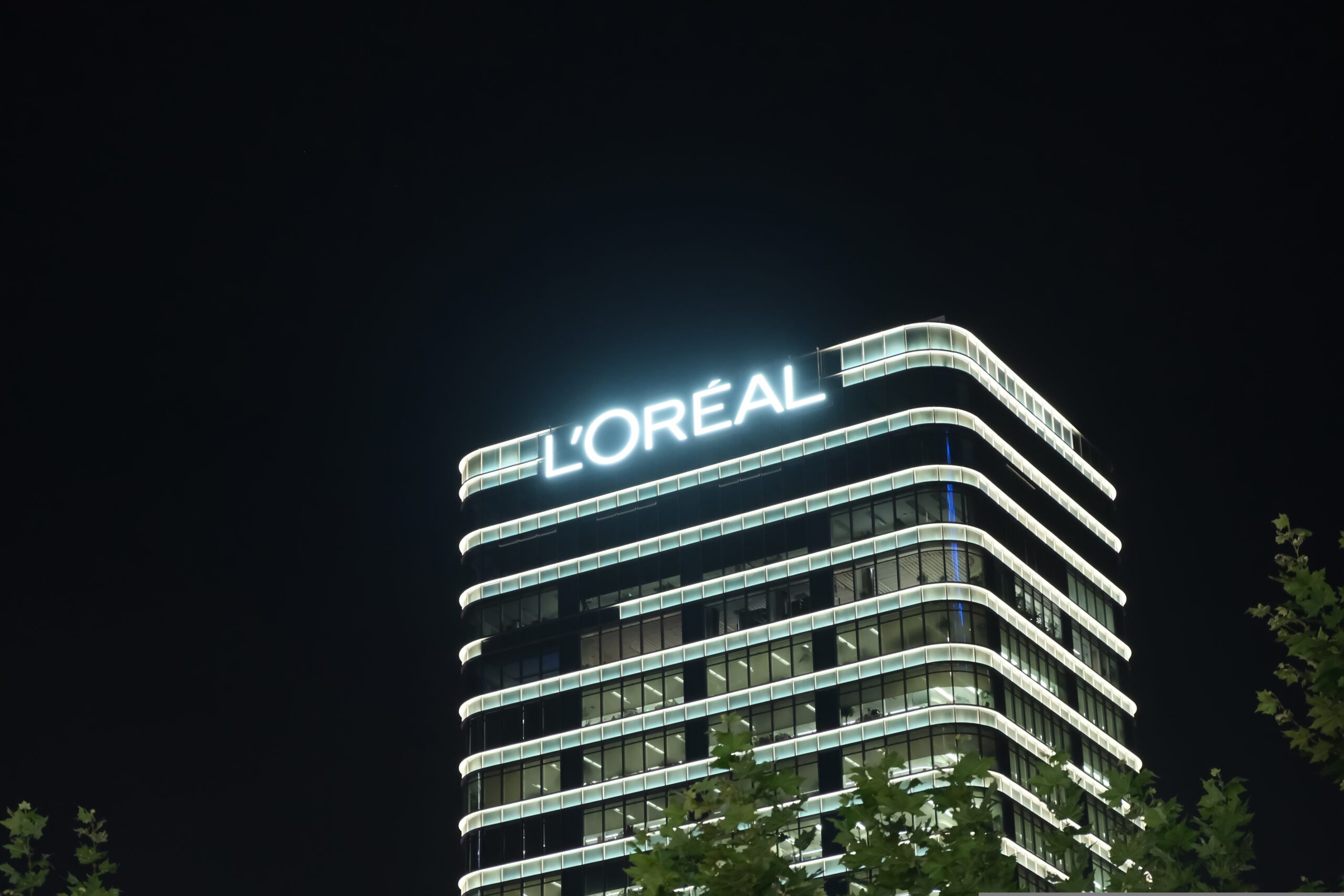
Beauty giants including L’Oréal, Natura and Galderma are developing treatments to tackle the effects of rapid weight loss on the skin.
The companies are testing products designed to address facial sagging, reduced skin firmness and volume loss, commonly referred to as ‘Ozempic face’.
Revenue from clinical treatments targeting these concerns is forecast to grow from around £523m to £1.5bn over five years, based on estimates from Boston Consulting Group.
L’Oréal, which owns a 20 per cent stake in Swiss skincare group Galderma, is conducting studies on consumers using GLP-1 drugs to explore opportunities for new skincare products.
The beauty giant’s chief innovation and prospective officer Delphine Viguier-Hovasse said the company was testing products on weight-loss drug users as they become an increasingly important consumer group.
Meanwhile, Galderma has been examining how its existing injectable treatments, including collagen-stimulating Sculptra and dermal filler Restylane, could address changes in facial appearance associated with rapid weight loss.
Brazilian beauty group Natura is also testing existing products on GLP-1 users while developing a new generation of treatments.
Its chief innovation and research and development officer Manuel Krauss said the growing use of weight-loss drugs was creating new consumer demands, adding that future beauty innovations could combine traditional skincare with supplements and ingestible products.
Research from Medical Insight found that 53 per cent of US aesthetics clinics expected an increase in new patients as a result of prescription weight-loss medications.
However, medical experts have cautioned that topical skincare products have limitations when addressing facial volume loss, with injectable treatments potentially offering more effective results.
They also stressed that the facial changes associated with ‘Ozempic face’ are caused by rapid weight loss rather than the medications themselves.
Click here to sign up to Retail Gazette‘s free daily email newsletter


