
Less for more: study reveals size shrinkage of popular supermarket products

Grocery

A new report has revealed the extent to which supermarkets have been charging shoppers more for shrinking items.

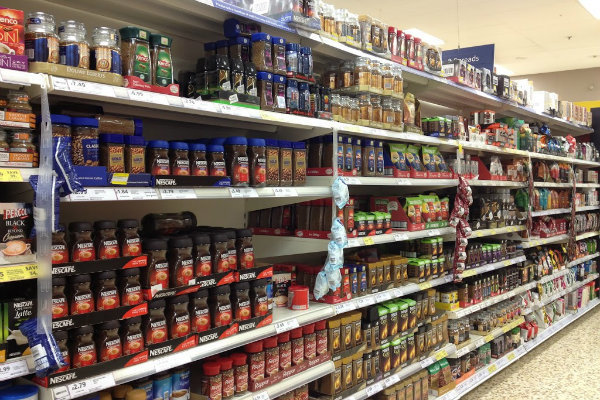
The latest investigation by consumer group Which? found that several items sold by Britain‘s supermarkets have been shrinking in size, but not in price. One case was a packet of McVitie‘s Digestive dark chocolate biscuits, which has decreased in size by over 10%, but has had its cost increase from £1.59 to £1.69. There were a large number of similar cases, with items ranging from juice, to bathroom wipes, to fair-trade coffee.

“Shrinking products can be a sneaky way of increasing prices,” said Which? Editor Richard Headland. “We want manufacturers and supermarkets to be upfront about shrinking products so consumers aren‘t misled.”

This is not the first time such tactics have come to light; in the past, companies have a backlash after shrinking their products. In Easter 2015, Cadbury‘s decision to reduce the number of Crème Eggs in its multipacks from six to five led to a large number of complaints, as did its decision to switch to a cheaper chocolate to make the eggs with.

When approached by Which? most brands insisted that supermarkets were the ones setting the prices, though they also refused to disclose whether or not the wholesale price they charged supermarkets for their products had increased.

Grocery

Leave a Reply

Your email address will not be published. Required fields are marked *

Fill out this field
Fill out this field
Please enter a valid email address.

Grocery

Share:

Less for more: study reveals size shrinkage of popular supermarket products

A new report has revealed the extent to which supermarkets have been charging shoppers more for shrinking items.

The latest investigation by consumer group Which? found that several items sold by Britain‘s supermarkets have been shrinking in size, but not in price. One case was a packet of McVitie‘s Digestive dark chocolate biscuits, which has decreased in size by over 10%, but has had its cost increase from £1.59 to £1.69. There were a large number of similar cases, with items ranging from juice, to bathroom wipes, to fair-trade coffee.

“Shrinking products can be a sneaky way of increasing prices,” said Which? Editor Richard Headland. “We want manufacturers and supermarkets to be upfront about shrinking products so consumers aren‘t misled.”

This is not the first time such tactics have come to light; in the past, companies have a backlash after shrinking their products. In Easter 2015, Cadbury‘s decision to reduce the number of Crème Eggs in its multipacks from six to five led to a large number of complaints, as did its decision to switch to a cheaper chocolate to make the eggs with.

When approached by Which? most brands insisted that supermarkets were the ones setting the prices, though they also refused to disclose whether or not the wholesale price they charged supermarkets for their products had increased.

Social


SUBSCRIBE TO OUR DAILY NEWSLETTER

  • This field is for validation purposes and should be left unchanged.
Grocery

Leave a Reply

Your email address will not be published. Required fields are marked *

Fill out this field
Fill out this field
Please enter a valid email address.

RELATED STORIES

Latest Feature


Menu


Close popup

Please enter the verification code sent to your email: