
Inditex reveals new sustainability strategy

Inditex sustainability
FashionSustainability
// Inditex commits to global transformation strategy boost brand’s sustainability
// New strategy will cover areas such as design, manufacturing, logistics, stores & raw materials
// Plastic bags will be scrapped & containers for used clothes will be equipped in all stores from next year

Inditex has pledged to undertake a new strategy that will aim to drive sustainability in the company, covering areas such as design, manufacturing, logistics, stores and raw materials.

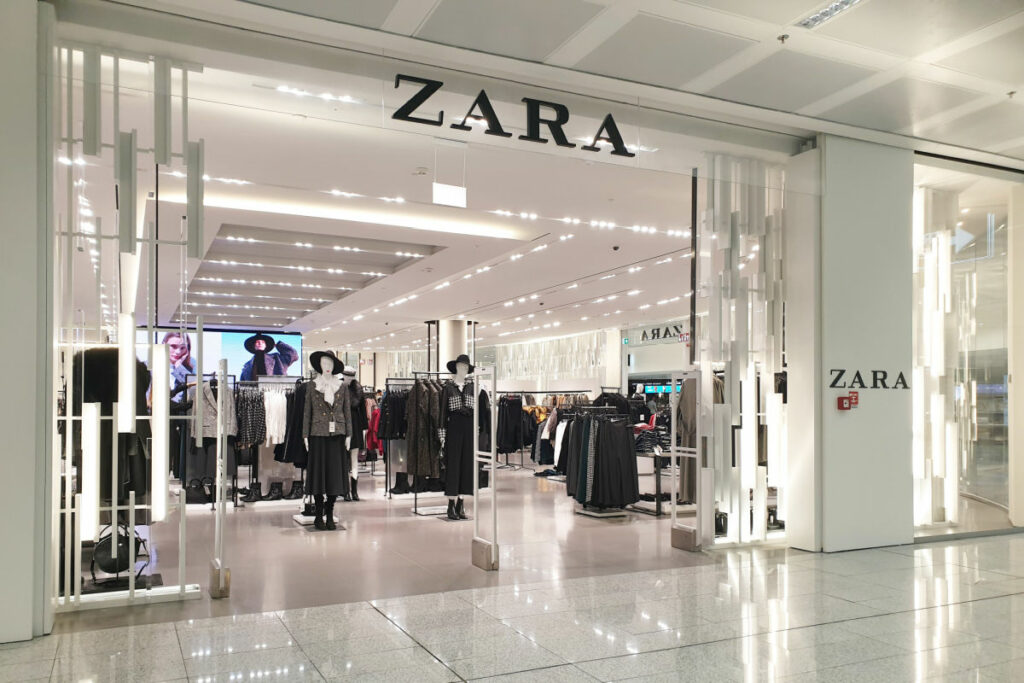
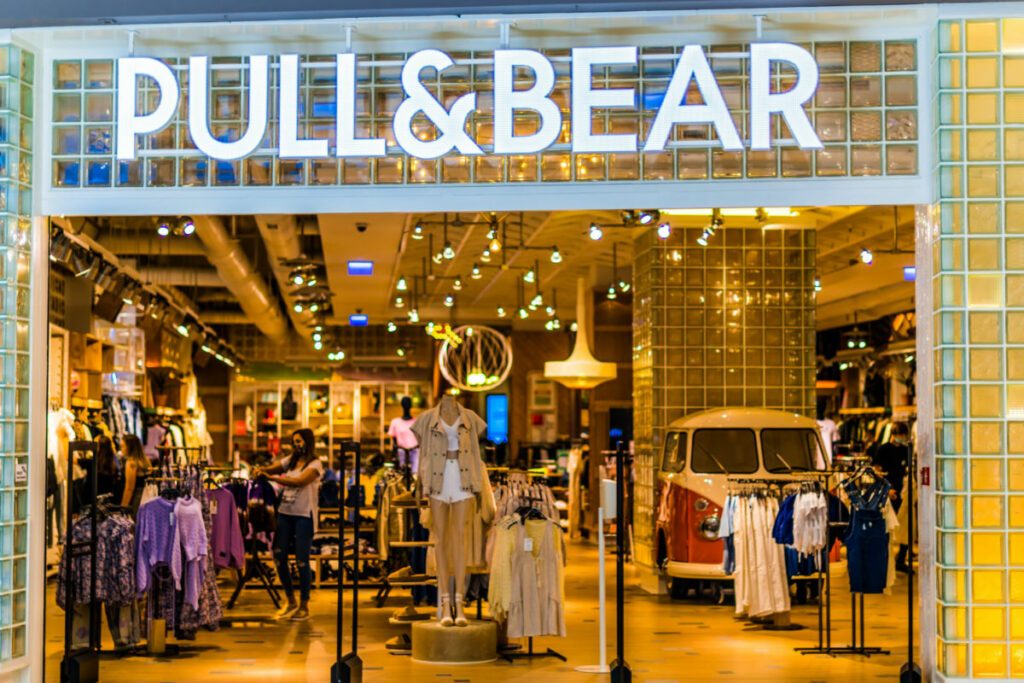
The Spanish clothing company that owns retailers such as Zara, Bershka, Pull & Bear and Stradivarius, said its stores will be eco-efficient from next year, as plastic bags will be scrapped and containers for used clothes will be equipped in all stores.

By 2025, 80 per cent of the energy utilised by Inditex will come from renewable sources, and 100 per cent of the cotton, linen and polyester fabrics will be organic, sustainable or recycled.

“We want to make Inditex a company that is fully sustainable in all aspects of the business,” Inditex group president Pablo Isla said at the group’s AGM.

Inditex will also arrange for a Sustainability Commission for the board of directors, to ensure these environmental and labour rights commitments are followed through.

Click here to sign up to Retail Gazette‘s free daily email newsletter

FashionSustainability

Leave a Reply

Your email address will not be published. Required fields are marked *

Fill out this field
Fill out this field
Please enter a valid email address.

Inditex reveals new sustainability strategy

Inditex sustainability
// Inditex commits to global transformation strategy boost brand’s sustainability
// New strategy will cover areas such as design, manufacturing, logistics, stores & raw materials
// Plastic bags will be scrapped & containers for used clothes will be equipped in all stores from next year

Inditex has pledged to undertake a new strategy that will aim to drive sustainability in the company, covering areas such as design, manufacturing, logistics, stores and raw materials.

The Spanish clothing company that owns retailers such as Zara, Bershka, Pull & Bear and Stradivarius, said its stores will be eco-efficient from next year, as plastic bags will be scrapped and containers for used clothes will be equipped in all stores.

By 2025, 80 per cent of the energy utilised by Inditex will come from renewable sources, and 100 per cent of the cotton, linen and polyester fabrics will be organic, sustainable or recycled.

“We want to make Inditex a company that is fully sustainable in all aspects of the business,” Inditex group president Pablo Isla said at the group’s AGM.

Inditex will also arrange for a Sustainability Commission for the board of directors, to ensure these environmental and labour rights commitments are followed through.

Click here to sign up to Retail Gazette‘s free daily email newsletter

Social


SUBSCRIBE TO OUR DAILY NEWSLETTER

  • This field is for validation purposes and should be left unchanged.
FashionSustainability

Leave a Reply

Your email address will not be published. Required fields are marked *

Fill out this field
Fill out this field
Please enter a valid email address.

RELATED STORIES

Latest Feature

Interview: How Palmer’s 20-year logistics partnership is fuelling its European expansion

Palmer’s may be one of the most familiar names on the bathroom shelf, but behind the cocoa butter bottles is a surprisingly small UK operation. ET Browne UK, which distributes the American family-owned skincare brand, has grown its sales while keeping its core team to fewer than 20 people. Now, as a new Tahitian Vanilla range brings younger shoppers to the brand and the company looks to expand further into Europe, the pressure is falling on the supply chain to keep up.

Palmer’s may be one of the most familiar names on the bathroom shelf, but behind the cocoa butter bottles is a surprisingly small UK operation.

ET Browne UK, which distributes the American family-owned skincare brand, has grown its sales while keeping its core team to fewer than 20 people.

Now, as a new Tahitian Vanilla range brings younger shoppers to the brand and the company looks to expand further into Europe, the pressure is falling on the supply chain to keep up.

Read More


Menu


Please enter the verification code sent to your email: