Retailers celebrate as London’s iconic Oxford Street gets pedestrianised

Oxford Street Pedestrianisation
In-StoreNewsProperty

Plans to fully pedestrianise London’s iconic Oxford Street have been formally approved, marking a watershed moment for one of the UK’s most prominent retail destinations.

The mayor of London, Sadiq Khan, has instructed Transport for London (TfL) to implement proposals removing traffic from the stretch between Great Portland Street and Orchard Street.

Work is expected to begin this summer, with the first section set to be traffic-free by the end of the year and wider transformation continuing through to 2027.

Khan described the move as part of his “bold vision to transform Oxford Street into a world-leading urban space for shopping, leisure and outdoor events”, positioning the scheme as a catalyst for hospitality, nightlife and job creation in central London.

Under the approved scheme, buses, taxis, private hire vehicles, cycles, e-scooters and pedicabs will be removed from the core stretch. Service and delivery vehicles will retain access during overnight hours, from midnight to 7am.

Buses will largely be diverted to neighbouring routes including Wigmore Street and Henrietta Place, with new bus stops and shelters installed.

TfL estimates increased journey times will be minimal, at less than a minute in most cases. Additional taxi ranks, drop-off points and potentially more blue-badge parking bays will be introduced nearby.

While much of Oxford Street is already closed to general traffic during the day, this decision ends decades of debate over full pedestrianisation, including a high-profile standoff in 2018 when Westminster City Council blocked earlier proposals.

Retailers back Khan’s plan

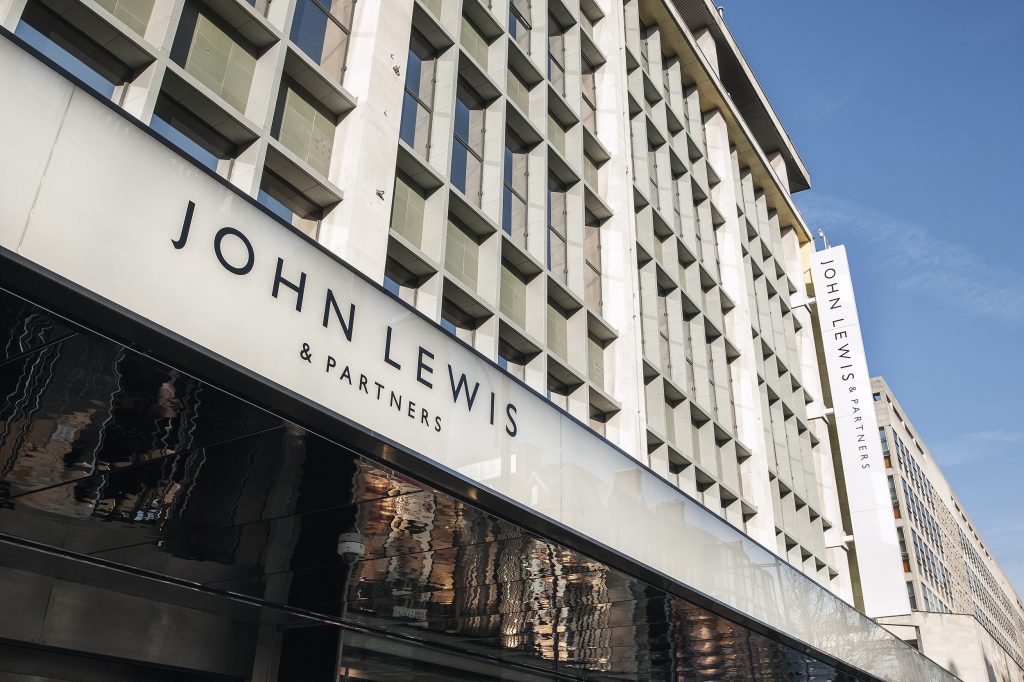
Major department stores including Selfridges and John Lewis have expressed strong support for pedestrianisation, viewing it as a necessary step in restoring the street’s appeal and competitiveness.

Oxford Street has faced well-documented challenges in recent years, from declining footfall during the pandemic to the proliferation of low-quality retail units and vacancy concerns. For many brands, the opportunity to create a cleaner, safer and more event-led environment is seen as essential to regaining global flagship status.

An initial public consultation last year found 63 per cent support among Londoners, with a second consultation on traffic diversions drawing more than 2,700 responses.

TfL said support for pedestrianisation was the most frequently made comment.

Ongoing concerns and delivery risks

Not all stakeholders are as happy. Taxi groups have criticised the move, warning of further congestion in central London. Some local residents have also raised concerns about displaced traffic and access for people with reduced mobility.

Westminster City Council, while previously opposed, said it had secured key amendments to improve deliverability and protect local communities.

Council leader Adam Hug said the authority would now work pragmatically with the mayor to ensure the transformation benefits both businesses and residents.

For retailers, the focus will now shift from approval to execution. The success of the scheme will depend on effective traffic management, clear wayfinding, safe night-time activation and ensuring that surrounding streets are not negatively impacted.

If delivered effectively, pedestrianisation could reposition Oxford Street as a modern experiential retail corridor, competing more directly with international shopping districts in Paris and New York.

For brands investing in flagship space, the long-awaited removal of traffic may offer a rare opportunity to redefine the UK’s most famous high street for a new era of retail.

Click here to sign up to Retail Gazette‘s free daily email newsletter

In-StoreNewsProperty

1 Comment. Leave new

  • Uma 3 weeks ago

    This is ridiculous
    The London buses and taxis make Oxford street iconic.
    This mayor has no clue.

    Reply

Leave a Reply

Your email address will not be published. Required fields are marked *

Fill out this field
Fill out this field
Please enter a valid email address.

In-StoreNewsProperty

Share:

Retailers celebrate as London’s iconic Oxford Street gets pedestrianised

Oxford Street Pedestrianisation

Plans to fully pedestrianise London’s iconic Oxford Street have been formally approved, marking a watershed moment for one of the UK’s most prominent retail destinations.

The mayor of London, Sadiq Khan, has instructed Transport for London (TfL) to implement proposals removing traffic from the stretch between Great Portland Street and Orchard Street.

Work is expected to begin this summer, with the first section set to be traffic-free by the end of the year and wider transformation continuing through to 2027.

Khan described the move as part of his “bold vision to transform Oxford Street into a world-leading urban space for shopping, leisure and outdoor events”, positioning the scheme as a catalyst for hospitality, nightlife and job creation in central London.

Under the approved scheme, buses, taxis, private hire vehicles, cycles, e-scooters and pedicabs will be removed from the core stretch. Service and delivery vehicles will retain access during overnight hours, from midnight to 7am.

Buses will largely be diverted to neighbouring routes including Wigmore Street and Henrietta Place, with new bus stops and shelters installed.

TfL estimates increased journey times will be minimal, at less than a minute in most cases. Additional taxi ranks, drop-off points and potentially more blue-badge parking bays will be introduced nearby.

While much of Oxford Street is already closed to general traffic during the day, this decision ends decades of debate over full pedestrianisation, including a high-profile standoff in 2018 when Westminster City Council blocked earlier proposals.

Retailers back Khan’s plan

Major department stores including Selfridges and John Lewis have expressed strong support for pedestrianisation, viewing it as a necessary step in restoring the street’s appeal and competitiveness.

Oxford Street has faced well-documented challenges in recent years, from declining footfall during the pandemic to the proliferation of low-quality retail units and vacancy concerns. For many brands, the opportunity to create a cleaner, safer and more event-led environment is seen as essential to regaining global flagship status.

An initial public consultation last year found 63 per cent support among Londoners, with a second consultation on traffic diversions drawing more than 2,700 responses.

TfL said support for pedestrianisation was the most frequently made comment.

Ongoing concerns and delivery risks

Not all stakeholders are as happy. Taxi groups have criticised the move, warning of further congestion in central London. Some local residents have also raised concerns about displaced traffic and access for people with reduced mobility.

Westminster City Council, while previously opposed, said it had secured key amendments to improve deliverability and protect local communities.

Council leader Adam Hug said the authority would now work pragmatically with the mayor to ensure the transformation benefits both businesses and residents.

For retailers, the focus will now shift from approval to execution. The success of the scheme will depend on effective traffic management, clear wayfinding, safe night-time activation and ensuring that surrounding streets are not negatively impacted.

If delivered effectively, pedestrianisation could reposition Oxford Street as a modern experiential retail corridor, competing more directly with international shopping districts in Paris and New York.

For brands investing in flagship space, the long-awaited removal of traffic may offer a rare opportunity to redefine the UK’s most famous high street for a new era of retail.

Click here to sign up to Retail Gazette‘s free daily email newsletter

Social


SUBSCRIBE TO OUR DAILY NEWSLETTER

  • This field is for validation purposes and should be left unchanged.
In-StoreNewsProperty

1 Comment. Leave new

  • Uma 3 weeks ago

    This is ridiculous
    The London buses and taxis make Oxford street iconic.
    This mayor has no clue.

    Reply

Leave a Reply

Your email address will not be published. Required fields are marked *

Fill out this field
Fill out this field
Please enter a valid email address.

RELATED STORIES

Latest Feature


Menu


Close popup

Please enter the verification code sent to your email: