As temps hit 18C, will a warm spring correlate with higher sales?

spring
Feature ArticlesNews

Spring is technically still a few weeks away, but you wouldn’t know it from the pavements of south-east England.

With temperatures nudging 16.6C in Essex and Kent this week, and a chance of 18C in the best of Wednesday’s sunshine, the UK has had its first genuine taste of warmth in 2026.

The last time the mercury reached that level was mid-November. For retailers emerging from a bruising winter of tight consumer confidence and relentless cost pressure, the obvious question is, could a warm spring provide an early sales bounce?

History suggests it might.

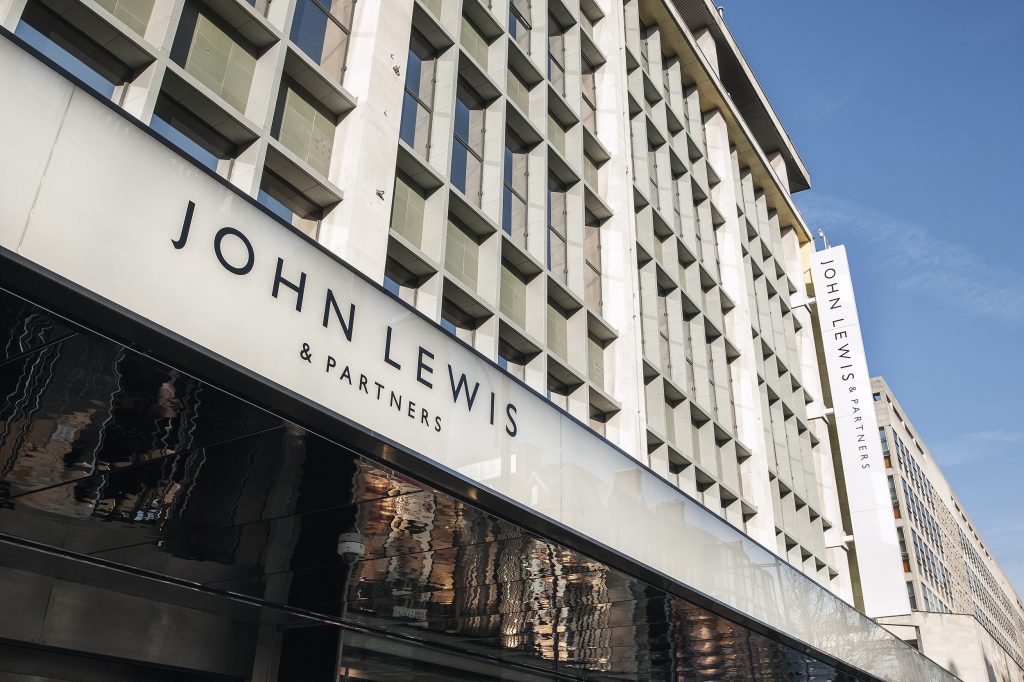
Weather and retail have always shared an uneasy, deeply intertwined relationship. As former John Lewis managing director Andy Street once observed, weather often has a greater effect on sales than economic data. A seasonal temperature just 1C above or below average can shift UK retail sales by around 1 per cent. In a sector worth roughly £300bn annually, that equates to a £3bn swing. A few mild weekends can materially alter a quarter.

The correlation is perhaps most visible in fashion. In May last year, Next reported better-than-expected spring sales after unusually warm weather boosted demand for summer-weight clothing. Full-price sales rose 11.4 per cent in the 13 weeks to late April, outperforming forecasts by £55m.

Analysts described the sunshine as having ‘turbocharged’ performance, with hopes that the wider sector was benefiting from a positive weather effect. Shares rose not just in Next, but across names including JD Sports and Kingfisher, owner of B&Q.

The mechanics are straightforward. Warm weather accelerates purchase timing. Consumers fast-track spring/summer wardrobe updates, invest in garden furniture, dust off barbecues and begin socialising outdoors again. Sunshine has also been shown to increase willingness to spend, with exposure to sunlight linked to higher levels of consumption and greater spend per item.

Yet the relationship isn’t purely linear. Retailers don’t just benefit from heat as much as they benefit from seasonality. Unseasonably warm spells can be as destabilising as cold snaps if stock isn’t aligned. The warm autumn of 2014 is still cited in industry circles as a cautionary tale. Winter ranges sat idle as shoppers delayed purchases, forcing heavy discounting in the run-up to Christmas. Marks & Spencer reported a 5.3 per cent fall in clothing sales during that period, while fashion sales at John Lewis slumped sharply over consecutive weeks.

The difference in February 2026 is timing. An early brush with 18C arrives just as spring assortments are landing in-store and online. If the warmth sustains into March and April, it could pull forward demand rather than suppress it. Garden centres, DIY chains and apparel retailers are particularly sensitive at this juncture. Even food retail stands to gain. Warmer spells shift baskets towards fresh produce, picnic items and barbecue staples.

However, the UK’s erratic climate rarely offers retailers a clean narrative. While temperatures in parts of England may approach 18C, western regions remain wetter, and flood risks persist in saturated areas. Above-average rainfall has historically dampened high street footfall; the British Retail Consortium once linked heavy January rain to the lowest footfall in five years.

Mintel research suggests nearly 60 per cent of consumers alter shopping habits when it rains or turns hot, with a third shopping less during wet spells and a significant portion switching online.

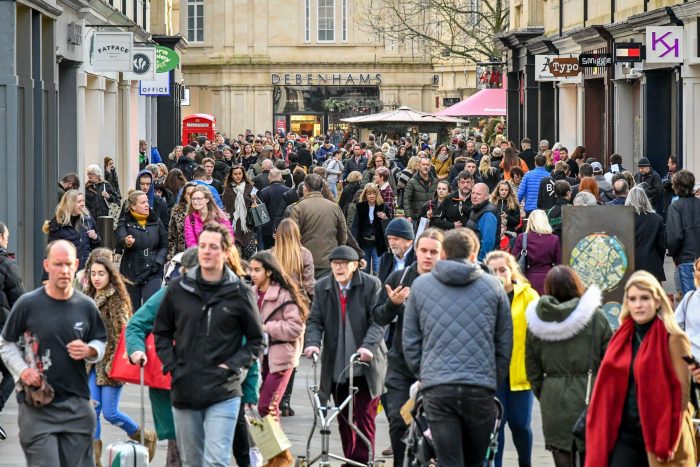
Channel dynamics matter as much as category shifts. Inclement weather tends to depress open high street traffic while benefiting enclosed shopping centres and online platforms. Conversely, bright, dry days encourage browsing behaviour and incidental spend.

The real opportunity lies in preparedness. Sophisticated operators increasingly deploy weather analytics to overlay historical sales data with hyper-local forecasts, adjusting stock allocation and marketing in near real-time. Weather-triggered advertising, dynamic homepage merchandising and flexible supply chains allow retailers to lean into favourable conditions while reducing risk exposure.

So, will a warm spring correlate with higher sales? If temperatures genuinely hold above seasonal norms into March and April, the probability is high, particularly for apparel, DIY and garden categories. The uplift may initially appear as demand pulled forward rather than wholly incremental growth, but with inflation easing and positive signs for growth in 2026 materialising in the early months, there’s hope for a strong year yet.

Click here to sign up to Retail Gazette‘s free daily email newsletter

Feature ArticlesNews

Leave a Reply

Your email address will not be published. Required fields are marked *

Fill out this field
Fill out this field
Please enter a valid email address.

Feature ArticlesNews

Share:

As temps hit 18C, will a warm spring correlate with higher sales?

spring

Spring is technically still a few weeks away, but you wouldn’t know it from the pavements of south-east England.

With temperatures nudging 16.6C in Essex and Kent this week, and a chance of 18C in the best of Wednesday’s sunshine, the UK has had its first genuine taste of warmth in 2026.

The last time the mercury reached that level was mid-November. For retailers emerging from a bruising winter of tight consumer confidence and relentless cost pressure, the obvious question is, could a warm spring provide an early sales bounce?

History suggests it might.

Weather and retail have always shared an uneasy, deeply intertwined relationship. As former John Lewis managing director Andy Street once observed, weather often has a greater effect on sales than economic data. A seasonal temperature just 1C above or below average can shift UK retail sales by around 1 per cent. In a sector worth roughly £300bn annually, that equates to a £3bn swing. A few mild weekends can materially alter a quarter.

The correlation is perhaps most visible in fashion. In May last year, Next reported better-than-expected spring sales after unusually warm weather boosted demand for summer-weight clothing. Full-price sales rose 11.4 per cent in the 13 weeks to late April, outperforming forecasts by £55m.

Analysts described the sunshine as having ‘turbocharged’ performance, with hopes that the wider sector was benefiting from a positive weather effect. Shares rose not just in Next, but across names including JD Sports and Kingfisher, owner of B&Q.

The mechanics are straightforward. Warm weather accelerates purchase timing. Consumers fast-track spring/summer wardrobe updates, invest in garden furniture, dust off barbecues and begin socialising outdoors again. Sunshine has also been shown to increase willingness to spend, with exposure to sunlight linked to higher levels of consumption and greater spend per item.

Yet the relationship isn’t purely linear. Retailers don’t just benefit from heat as much as they benefit from seasonality. Unseasonably warm spells can be as destabilising as cold snaps if stock isn’t aligned. The warm autumn of 2014 is still cited in industry circles as a cautionary tale. Winter ranges sat idle as shoppers delayed purchases, forcing heavy discounting in the run-up to Christmas. Marks & Spencer reported a 5.3 per cent fall in clothing sales during that period, while fashion sales at John Lewis slumped sharply over consecutive weeks.

The difference in February 2026 is timing. An early brush with 18C arrives just as spring assortments are landing in-store and online. If the warmth sustains into March and April, it could pull forward demand rather than suppress it. Garden centres, DIY chains and apparel retailers are particularly sensitive at this juncture. Even food retail stands to gain. Warmer spells shift baskets towards fresh produce, picnic items and barbecue staples.

However, the UK’s erratic climate rarely offers retailers a clean narrative. While temperatures in parts of England may approach 18C, western regions remain wetter, and flood risks persist in saturated areas. Above-average rainfall has historically dampened high street footfall; the British Retail Consortium once linked heavy January rain to the lowest footfall in five years.

Mintel research suggests nearly 60 per cent of consumers alter shopping habits when it rains or turns hot, with a third shopping less during wet spells and a significant portion switching online.

Channel dynamics matter as much as category shifts. Inclement weather tends to depress open high street traffic while benefiting enclosed shopping centres and online platforms. Conversely, bright, dry days encourage browsing behaviour and incidental spend.

The real opportunity lies in preparedness. Sophisticated operators increasingly deploy weather analytics to overlay historical sales data with hyper-local forecasts, adjusting stock allocation and marketing in near real-time. Weather-triggered advertising, dynamic homepage merchandising and flexible supply chains allow retailers to lean into favourable conditions while reducing risk exposure.

So, will a warm spring correlate with higher sales? If temperatures genuinely hold above seasonal norms into March and April, the probability is high, particularly for apparel, DIY and garden categories. The uplift may initially appear as demand pulled forward rather than wholly incremental growth, but with inflation easing and positive signs for growth in 2026 materialising in the early months, there’s hope for a strong year yet.

Click here to sign up to Retail Gazette‘s free daily email newsletter

Social


SUBSCRIBE TO OUR DAILY NEWSLETTER

  • This field is for validation purposes and should be left unchanged.
Feature ArticlesNews

Leave a Reply

Your email address will not be published. Required fields are marked *

Fill out this field
Fill out this field
Please enter a valid email address.

RELATED STORIES

Latest Feature


Menu


Close popup

Please enter the verification code sent to your email: