

Asda has recorded sales of £21 billion for 2025 (excluding fuel), down 3.3 per cent on 2024.
The retailer has published its trading update today (March 27) for the year ending 31 December 2025 which showed that its adjusted EBITDA (after rent) was £764 million, down 33.1% on the previous year.
Its net debt was £3.1 billion, a £500 million reduction on 2024.
According to the retailer, its Formula for Growth Strategy showed “clear progress” by re-establishing the supermarket as the UK’s lowest-priced traditional supermarket through investment, which created a 4-7 per cent gap when compared to competitors.
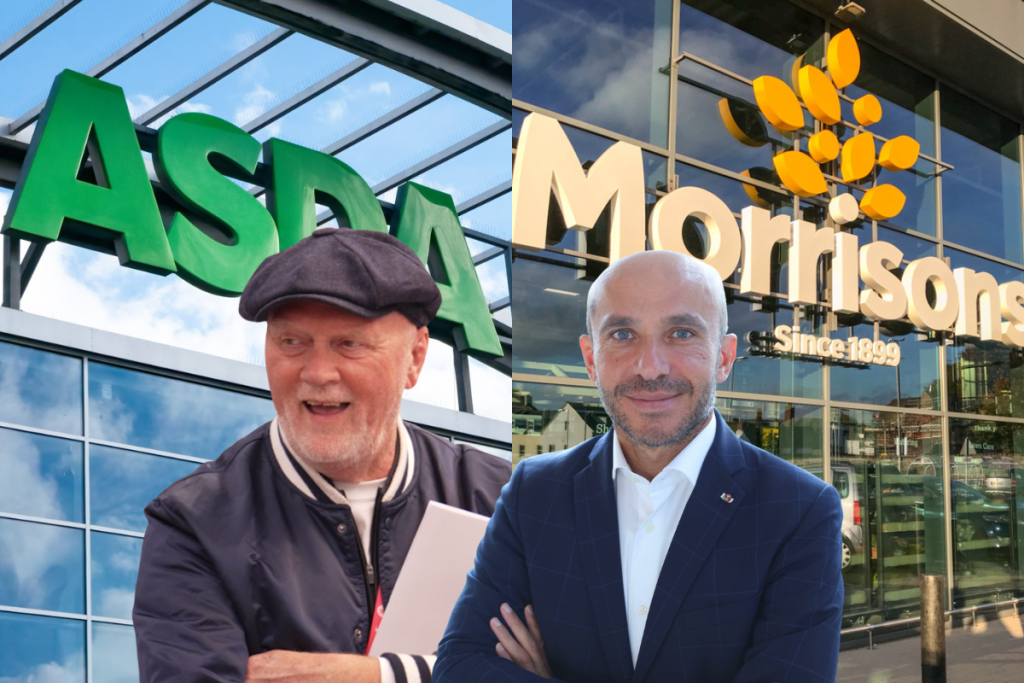
Asda’s executive chairman Allan Leighton said: “As we enter the second year of our turnaround, we have an improved customer offer, stable core systems, a strengthened balance sheet and a strong leadership team to deliver our Formula for Growth. Our progress in key areas like price, availability, and customer satisfaction is edging forwards, reflected in positive like-for like sales growth in our stores for the last two months.
Related Story

“At the same time Asda is far more than just a supermarket, with almost half of our total revenues last year coming from the wider group, which includes George, Express, pharmacy, optical, online and fuel. George and pharmacy outperformed their respective markets last year, demonstrating the breadth of our offer.”
The supermarket also completed Project Future and stabilised “core systems”. A systems changeover supported a stronger Q1 performance. Total Like-for-like sales improved (1.6 per cent) in January to (1.0 per cen)t in February, turning positive at 1.2% in March. In-store were in growth for the last two months.
It reported strengthened liquidity through cash management, ending the year in £1.3 billion in cash and £2.1 billion in total liquidity.
Asda’s chief financial officer Michael Gleeson said: “As we continued to make progress against our strategy, disciplined cash management meant we closed the year in a solid financial position, with more than £1.3bn of cash on the balance sheet and total liquidity of £2.1bn. Our operational performance continues to stabilise, and we have seen sales momentum build through the first quarter.”
Looking ahead the supermarket has highlighted that it has been difficult to tell what the impact of the Middle East conflict has been as “everything’s so spiky and changes by the hour”.
They add that they think the conflict will affect inflation but will try to minimise and “mitigate it from a consumer perspective”.
However, the firm highlights that they don’t see anything holding back the recovery of the business and it will take between 3-5 years for the retailer to bounce back fully.
Click here to sign up to Retail Gazette‘s free daily email newsletter