
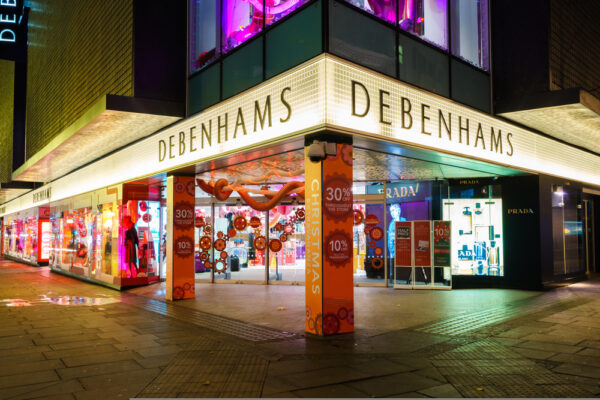
Debenhams Group powers past guidance as marketplace pivot pays off

The administrators of Debenhams have made millions in fees since the department store went under in 2020.
EcommerceNews

Debenhams Group has reported adjusted EBITDA of £53m for the year to 28 February 2026, comfortably ahead of previous guidance, as its turnaround strategy continued to gather momentum.

The online retail group, formerly boohoo group plc, said the result marked a 36 per cent year-on-year increase, driven by a 76 per cent rise in second-half adjusted EBITDA.

It also raised its outlook for FY27, with the higher FY26 EBITDA base now expected to grow by a double-digit percentage in the current financial year.

Group CEO Dan Finley said: “Our multi-year turnaround strategy continues at pace. We are pleased with the 76 per cent increase in H2 adjusted EBITDA and £53m full year adjusted EBITDA. Our pivot to the stock-lite, capital-lite, highly profitable marketplace is working.

“The cost base has been reset, the warehouse consolidation completed, the tech re-platform delivered, the stock base rightsized, most of the onerous costs exited and the brand management teams strengthened. This is significant progress, ahead of our plan, but there is still more to be delivered and we now focus on growth.”

Debenhams Group said trading improved through the final quarter of the year, with February GMV down 5 per cent against the prior year, marking the third consecutive quarter of improvement in GMV decline trends.

The retailer said all of its brands continued to trade profitably on an adjusted EBITDA basis.

As part of its turnaround, the group has continued to drive down costs, with its fixed cost exit rate falling to £119m, £11m below the £130m guidance issued in February 2026. That was down from £175m in FY26, with the business still targeting a further reduction to £100m in FY27.

The company also said net debt stood at £90m at the end of February, equivalent to less than two times adjusted EBITDA, following its £40m fundraising in February 2026. It now expects net debt to fall to below one times adjusted EBITDA by the end of FY27.

Debenhams Group said its shift towards an increasingly asset-light marketplace model remained central to the turnaround plan, with the Debenhams brand driving that transition.

Capital expenditure fell from £28m to around £16m in FY26, and is expected to reduce again to roughly £8m in FY27.

Cash lease costs totalled £18m in FY26, including vacant leased properties, but are expected to fall to around £13m this year. The group said those costs could drop further to about £6m once its vacant US property lease is exited.

Interest costs came in at £21m in FY26 and are expected to decline in the year ahead as the business deleverages and disposes of non-core property assets.

Depreciation is also forecast to fall sharply, from around £59m in FY26 to about £20m in FY27, reflecting the lower asset base following transformation-related write-offs, including the consolidation of distribution centre operations and technology platforms.

The group said it would increasingly focus on free cash flow as a key performance metric, with both operating and non-operating cash flow expected to improve materially in FY27 as exceptional costs reduce and the marketplace model continues to expand.

Click here to sign up to Retail Gazette‘s free daily email newsletter

EcommerceNews

Leave a Reply

Your email address will not be published. Required fields are marked *

Fill out this field
Fill out this field
Please enter a valid email address.

EcommerceNews

Share:

Debenhams Group powers past guidance as marketplace pivot pays off

The administrators of Debenhams have made millions in fees since the department store went under in 2020.

Debenhams Group has reported adjusted EBITDA of £53m for the year to 28 February 2026, comfortably ahead of previous guidance, as its turnaround strategy continued to gather momentum.

The online retail group, formerly boohoo group plc, said the result marked a 36 per cent year-on-year increase, driven by a 76 per cent rise in second-half adjusted EBITDA.

It also raised its outlook for FY27, with the higher FY26 EBITDA base now expected to grow by a double-digit percentage in the current financial year.

Group CEO Dan Finley said: “Our multi-year turnaround strategy continues at pace. We are pleased with the 76 per cent increase in H2 adjusted EBITDA and £53m full year adjusted EBITDA. Our pivot to the stock-lite, capital-lite, highly profitable marketplace is working.

“The cost base has been reset, the warehouse consolidation completed, the tech re-platform delivered, the stock base rightsized, most of the onerous costs exited and the brand management teams strengthened. This is significant progress, ahead of our plan, but there is still more to be delivered and we now focus on growth.”

Debenhams Group said trading improved through the final quarter of the year, with February GMV down 5 per cent against the prior year, marking the third consecutive quarter of improvement in GMV decline trends.

The retailer said all of its brands continued to trade profitably on an adjusted EBITDA basis.

As part of its turnaround, the group has continued to drive down costs, with its fixed cost exit rate falling to £119m, £11m below the £130m guidance issued in February 2026. That was down from £175m in FY26, with the business still targeting a further reduction to £100m in FY27.

The company also said net debt stood at £90m at the end of February, equivalent to less than two times adjusted EBITDA, following its £40m fundraising in February 2026. It now expects net debt to fall to below one times adjusted EBITDA by the end of FY27.

Debenhams Group said its shift towards an increasingly asset-light marketplace model remained central to the turnaround plan, with the Debenhams brand driving that transition.

Capital expenditure fell from £28m to around £16m in FY26, and is expected to reduce again to roughly £8m in FY27.

Cash lease costs totalled £18m in FY26, including vacant leased properties, but are expected to fall to around £13m this year. The group said those costs could drop further to about £6m once its vacant US property lease is exited.

Interest costs came in at £21m in FY26 and are expected to decline in the year ahead as the business deleverages and disposes of non-core property assets.

Depreciation is also forecast to fall sharply, from around £59m in FY26 to about £20m in FY27, reflecting the lower asset base following transformation-related write-offs, including the consolidation of distribution centre operations and technology platforms.

The group said it would increasingly focus on free cash flow as a key performance metric, with both operating and non-operating cash flow expected to improve materially in FY27 as exceptional costs reduce and the marketplace model continues to expand.

Click here to sign up to Retail Gazette‘s free daily email newsletter

Social


SUBSCRIBE TO OUR DAILY NEWSLETTER

  • This field is for validation purposes and should be left unchanged.
EcommerceNews

Leave a Reply

Your email address will not be published. Required fields are marked *

Fill out this field
Fill out this field
Please enter a valid email address.

RELATED STORIES

Latest Feature


Menu


Close popup

Please enter the verification code sent to your email: