Oil shock fears as strait of Hormuz disruption threatens UK retail recovery

Feature ArticlesInsight

The escalating conflict in the Middle East has sent oil markets into turmoil, with Brent crude spiking by as much as 13 per cent in early trading amid fears that the strategically vital Strait of Hormuz could be effectively closed.

With around 20 per cent of the world’s oil and seaborne gas supplies passing through the narrow waterway between Iran and Oman, any sustained disruption risks triggering a fresh inflationary wave just as the retail sector had begun to see cost pressures ease.

Why the strait matters

The Strait of Hormuz is one of the most important arteries in global trade. At its narrowest point it’s just 21 miles wide, with shipping lanes only two miles across in each direction.

It connects oil-producing Gulf states to global markets. On average, more than 20 million barrels of oil per day transit the strait, alongside vast volumes of liquefied natural gas (LNG), including cargoes bound for Europe.

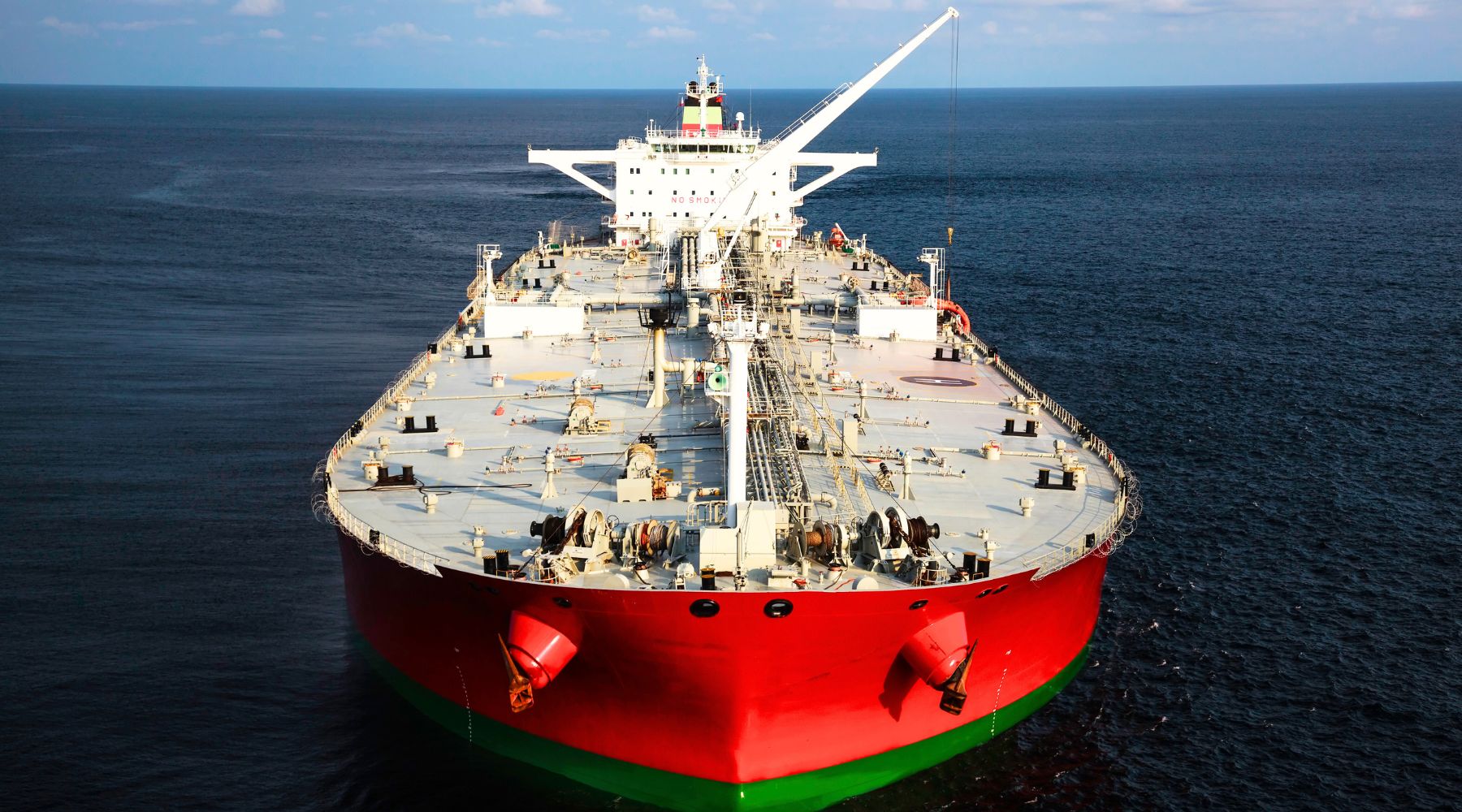
Marine tracking data over the weekend showed tankers anchoring on either side of the strait after reported missile and drone attacks on vessels in the region. Shipping giant Maersk confirmed it was pausing transits through both the Strait of Hormuz and the Suez Canal on safety grounds.

While Iran has not formally declared a closure, analysts warn that whether the strait is blocked outright or rendered inaccessible by risk and insurance constraints, the impact on global flows is much the same.

In a worst-case scenario, up to 15 million barrels per day of crude could be delayed or disrupted.

Oil shoots to 14-month high

Brent crude surged to £61.29 per barrel in early Asian trading (a 14-month high) before easing back towards £57.55. Even at those levels, oil is around £4 per barrel higher than last week.

Energy consultancies have warned that a prolonged disruption could push prices beyond £74 per barrel, particularly if Opec+ spare capacity remains effectively stranded behind a closed strait.

Iran itself holds the world’s fourth-largest proven oil reserves, roughly 170 billion barrels, and accounts for around 4 to 5 per cent of global production. Although its direct exports represent a relatively small slice of global supply, its geographic position gives it outsized leverage over the energy market.

What this means for UK retail

For UK retailers, the timing could hardly be worse. The sector had been cautiously optimistic heading into spring, with easing energy costs expected to help moderate inflation. Instead, a sustained oil spike risks reigniting cost pressures across multiple fronts:

  1. Higher transport and logistics costs

Fuel is a core input across retail supply chains, from inbound container shipping to last-mile delivery. Even short-term volatility increases freight rates and insurance premiums.

If vessels are forced to reroute around Africa instead of using the Suez Canal, transit times could lengthen by up to two weeks, tying up working capital and disrupting stock availability.

Retailers with just-in-time inventory models may face renewed volatility in supply chains that had only recently stabilised post-pandemic.

  1. Pressure at the pump

UK motorists are likely to see higher forecourt prices within weeks if wholesale costs remain elevated.

Previous IMF research suggests that a 10 per cent rise in global oil prices can add around 0.4 per cent to domestic inflation. With household budgets still fragile, any renewed squeeze on disposable income risks dampening discretionary spend.

Retail categories most exposed to shifts in consumer confidence such as fashion, homewares and big-ticket electricals, could feel the impact first.

  1. Energy bills and operating costs

While natural gas pricing dynamics differ, LNG shipments through the Strait of Hormuz are also significant. If gas flows tighten, UK wholesale energy prices could rise again.

For bricks and mortar retailers (particularly supermarkets, convenience stores and larger-format operators with energy-intensive estates) that would translate into higher operating costs just as margin recovery was beginning.

  1. Financial market volatility

Stock markets fell sharply in early trading, with airlines, travel groups and hospitality operators among the hardest hit. Energy producers and precious metals miners benefited from the surge in oil and gold prices.

A sustained geopolitical shock could complicate interest rate expectations. Markets had been pricing in potential rate cuts from the Bank of England in the coming weeks. A renewed inflationary impulse could alter that trajectory, with knock-on effects for consumer credit and mortgage costs.

Not just an oil story for UK retail

The disruption is also a shipping story. Approximately 170 containerships in the region have reported delays, according to maritime industry sources. Wartime insurance premiums are expected to rise sharply, feeding into global freight rates.

Even partial interference could generate outsized economic effects. For UK retail, this is a reminder that geopolitical risk remains a structural feature of the operating environment.

For leaders, the immediate priorities are scenario planning for fuel and freight volatility, stress-testing pricing strategies, and closely monitoring consumer sentiment.

The Strait of Hormuz may sit thousands of miles from British high streets, but its stability remains tightly interwoven with the cost base, margins and confidence of the UK retail sector.

Click here to sign up to Retail Gazette‘s free daily email newsletter

Feature ArticlesInsight

Leave a Reply

Your email address will not be published. Required fields are marked *

Fill out this field
Fill out this field
Please enter a valid email address.

Oil shock fears as strait of Hormuz disruption threatens UK retail recovery

The escalating conflict in the Middle East has sent oil markets into turmoil, with Brent crude spiking by as much as 13 per cent in early trading amid fears that the strategically vital Strait of Hormuz could be effectively closed.

With around 20 per cent of the world’s oil and seaborne gas supplies passing through the narrow waterway between Iran and Oman, any sustained disruption risks triggering a fresh inflationary wave just as the retail sector had begun to see cost pressures ease.

Why the strait matters

The Strait of Hormuz is one of the most important arteries in global trade. At its narrowest point it’s just 21 miles wide, with shipping lanes only two miles across in each direction.

It connects oil-producing Gulf states to global markets. On average, more than 20 million barrels of oil per day transit the strait, alongside vast volumes of liquefied natural gas (LNG), including cargoes bound for Europe.

Marine tracking data over the weekend showed tankers anchoring on either side of the strait after reported missile and drone attacks on vessels in the region. Shipping giant Maersk confirmed it was pausing transits through both the Strait of Hormuz and the Suez Canal on safety grounds.

While Iran has not formally declared a closure, analysts warn that whether the strait is blocked outright or rendered inaccessible by risk and insurance constraints, the impact on global flows is much the same.

In a worst-case scenario, up to 15 million barrels per day of crude could be delayed or disrupted.

Oil shoots to 14-month high

Brent crude surged to £61.29 per barrel in early Asian trading (a 14-month high) before easing back towards £57.55. Even at those levels, oil is around £4 per barrel higher than last week.

Energy consultancies have warned that a prolonged disruption could push prices beyond £74 per barrel, particularly if Opec+ spare capacity remains effectively stranded behind a closed strait.

Iran itself holds the world’s fourth-largest proven oil reserves, roughly 170 billion barrels, and accounts for around 4 to 5 per cent of global production. Although its direct exports represent a relatively small slice of global supply, its geographic position gives it outsized leverage over the energy market.

What this means for UK retail

For UK retailers, the timing could hardly be worse. The sector had been cautiously optimistic heading into spring, with easing energy costs expected to help moderate inflation. Instead, a sustained oil spike risks reigniting cost pressures across multiple fronts:

  1. Higher transport and logistics costs

Fuel is a core input across retail supply chains, from inbound container shipping to last-mile delivery. Even short-term volatility increases freight rates and insurance premiums.

If vessels are forced to reroute around Africa instead of using the Suez Canal, transit times could lengthen by up to two weeks, tying up working capital and disrupting stock availability.

Retailers with just-in-time inventory models may face renewed volatility in supply chains that had only recently stabilised post-pandemic.

  1. Pressure at the pump

UK motorists are likely to see higher forecourt prices within weeks if wholesale costs remain elevated.

Previous IMF research suggests that a 10 per cent rise in global oil prices can add around 0.4 per cent to domestic inflation. With household budgets still fragile, any renewed squeeze on disposable income risks dampening discretionary spend.

Retail categories most exposed to shifts in consumer confidence such as fashion, homewares and big-ticket electricals, could feel the impact first.

  1. Energy bills and operating costs

While natural gas pricing dynamics differ, LNG shipments through the Strait of Hormuz are also significant. If gas flows tighten, UK wholesale energy prices could rise again.

For bricks and mortar retailers (particularly supermarkets, convenience stores and larger-format operators with energy-intensive estates) that would translate into higher operating costs just as margin recovery was beginning.

  1. Financial market volatility

Stock markets fell sharply in early trading, with airlines, travel groups and hospitality operators among the hardest hit. Energy producers and precious metals miners benefited from the surge in oil and gold prices.

A sustained geopolitical shock could complicate interest rate expectations. Markets had been pricing in potential rate cuts from the Bank of England in the coming weeks. A renewed inflationary impulse could alter that trajectory, with knock-on effects for consumer credit and mortgage costs.

Not just an oil story for UK retail

The disruption is also a shipping story. Approximately 170 containerships in the region have reported delays, according to maritime industry sources. Wartime insurance premiums are expected to rise sharply, feeding into global freight rates.

Even partial interference could generate outsized economic effects. For UK retail, this is a reminder that geopolitical risk remains a structural feature of the operating environment.

For leaders, the immediate priorities are scenario planning for fuel and freight volatility, stress-testing pricing strategies, and closely monitoring consumer sentiment.

The Strait of Hormuz may sit thousands of miles from British high streets, but its stability remains tightly interwoven with the cost base, margins and confidence of the UK retail sector.

Click here to sign up to Retail Gazette‘s free daily email newsletter
Social


SUBSCRIBE TO OUR DAILY NEWSLETTER

  • This field is for validation purposes and should be left unchanged.
Feature ArticlesInsight

Leave a Reply

Your email address will not be published. Required fields are marked *

Fill out this field
Fill out this field
Please enter a valid email address.

RELATED STORIES

Latest Feature


Menu


Close popup

Please enter the verification code sent to your email: