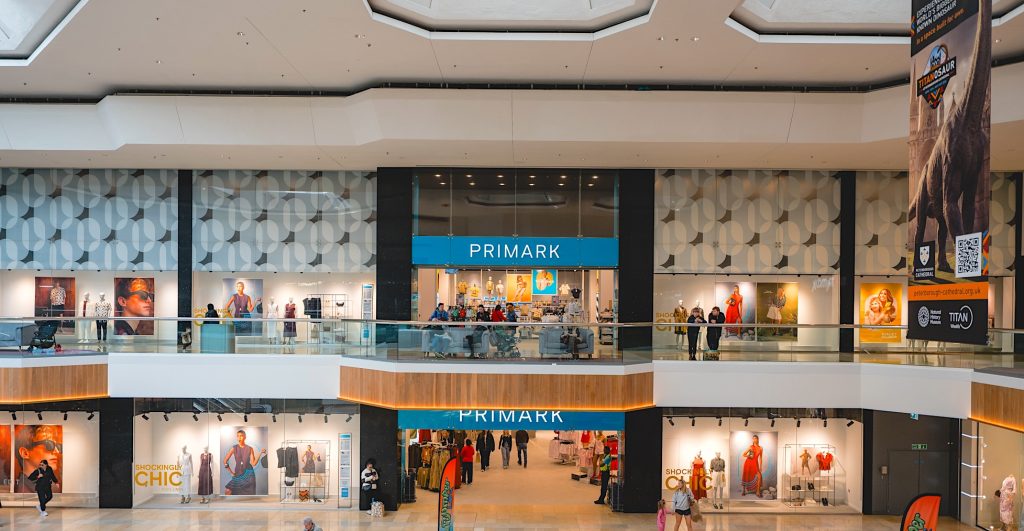


Retail destinations are evolving far from being transactional to become much more experiential spaces.
Westfield is a business that claims to be “at the forefront of this shift,” as it reshapes “the role of the modern retail destination through cultural programming, live experiences and sustainability-led initiatives”.
Notably, the company recently hosted its Westfield ReLoved festival at Stratford City in partnership with homelessness charity Shelter, which brought together “circular fashion, pre-loved style and live music”.
“It’s not about selling products anymore”
Despite the rise of online, 84 per cent of retail spending continues to happen in-store, according to a recent report from CBRE Retail.
Ecommerce is certainly the king of convenience, with shoppers able to make purchases through a few taps on their phone. Which means physical stores need to bring something else to the table to convince consumers to venture out to the shops.
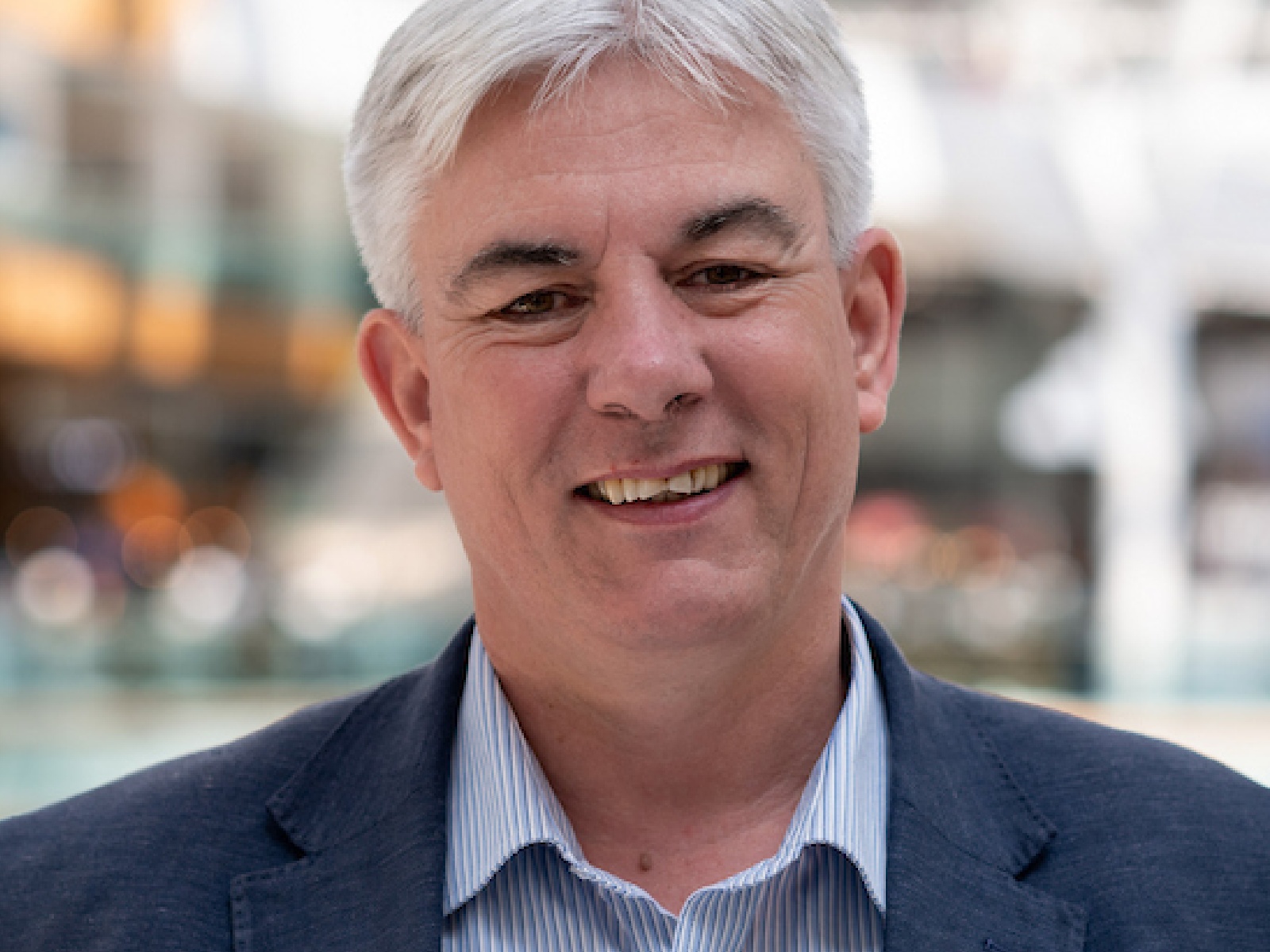
Westfield Stratford City general manager Chris Mitchell notes: “I think there’s been a real shift in retail, really driven by Gen Z, and it’s not about selling products anymore.
“It’s about creating experiences and it’s about giving people reasons to visit.”
He adds: “We talk a lot about how there’s a competition between online and in centre, and I think retail destinations have had to evolve well beyond just being those traditional transactional spaces.
“They’re now those platforms for culture, community, and brand engagement.”

The recent Westfield ReLoved festival, which ran from 25 to 28 June, served as a prime example of experiential retail in action.
Mitchell explains that the event consisted of “a festival-inspired fashion pop-up” which brought together “second-hand fashion, live music, and celebrity styling to make that circular economy culturally relevant at the festival season”.
“We know that pre-owned fashion is a real passion point for today’s shoppers, particularly Gen Z, and we know through our research and the customer feedback that it’s hugely important,” he adds.
The festival featured four stylists taking a music genre – pop, hip hop, punk or indie – and using these as inspiration to create a “secondhand fashion edit”.
Inspired by these fashion edits, Shelter created a marketplace showcasing DJs and live music performances from emerging artists, designed to “help bring each of those four genres to life over the four days”.

More broadly, Mitchell emphasises that music, fashion and live events serve as “critical factors” behind driving footfall across physical stores, due to “the energy, the relevance and the shared experiences they create”.
“Where you look at online versus traditional centres, online is very transactional and it’s very much about saving time,” he says.
“But using music, fashion, and live events is about creating those experiences and allowing our customers to sample and engage.
“It really is all about those experiences that people are looking for now, rather than just those traditional online or in centre transactions.”
He adds: “It’s much more about the theatre and people being able to take away that memory and that moment that they can share and celebrate.”

Central to the new wave of experiential retail formats is Gen Z, who want to be “emotionally engaged, entertained, and involved in something bigger than the transaction” while shopping, according to consumer intelligence company NielsenIQ.
Echoing this sentiment, Mitchell says: “For Gen Z, retail is about identity, discovery and connection with physical spaces, it’s not about that online transaction.
“It’s really about giving more reasons for people to visit. People aren’t just looking to go and buy a dress or a pair of jeans or a pair of shoes.”
“It’s about them coming to our centres for that big day out, that experience, the experiences they’ll be able to enjoy and engage with as part of their shopping trip.”
He adds: “It’s no longer we’re going shopping, it’s a day out at the centre. It’s much more diverse and the attraction is much more than just I’m going to a bricks and mortar space to pick up physical items.
“It’s about what they can experience and what they can enjoy whilst they’re there.”