
ASOS: online fashion’s next battleground is guidance, not choice

ASOS
Big InterviewEcommerceFashionFeature ArticlesTechnology

Vanessa Spence, EVP brand and creative at ASOS, says retailers must move beyond endless product choice and use curation, AI and styling-led shopping to make fashion feel easier, more personal and more inspiring.

For years, online fashion has been built around abundance: more brands, more drops, more inspiration and more ways to shop. But for ASOS, the next phase of ecommerce is less about adding to the choice and more about helping customers navigate it.

New research from the digital retailer found that 69 per cent of consumers find shopping for clothes overwhelming, while around 64 per cent believe the fashion industry offers too much choice and not enough guidance.

“The research shows that while consumers don’t feel short of inspiration or choice, the number of options can be overwhelming,” Spence says. “The industry has done a really good job of offering more choice, but what matters now is giving people a manageable number of options that feels right for them.”

That makes curation a strategic priority rather than a merchandising nice-to-have. Spence argues that retailers need to help shoppers understand not only what is available, but how products fit into their lives.

“Curation is about helping customers make sense of their choices in a way that feels inspiring, useful and relevant to their own style,” she explains.

“It means moving beyond simply showing products and thinking more about how something can be worn, what it works with, what occasion it suits and how it might fit into your existing wardrobe.”

Turning inspiration into relevance

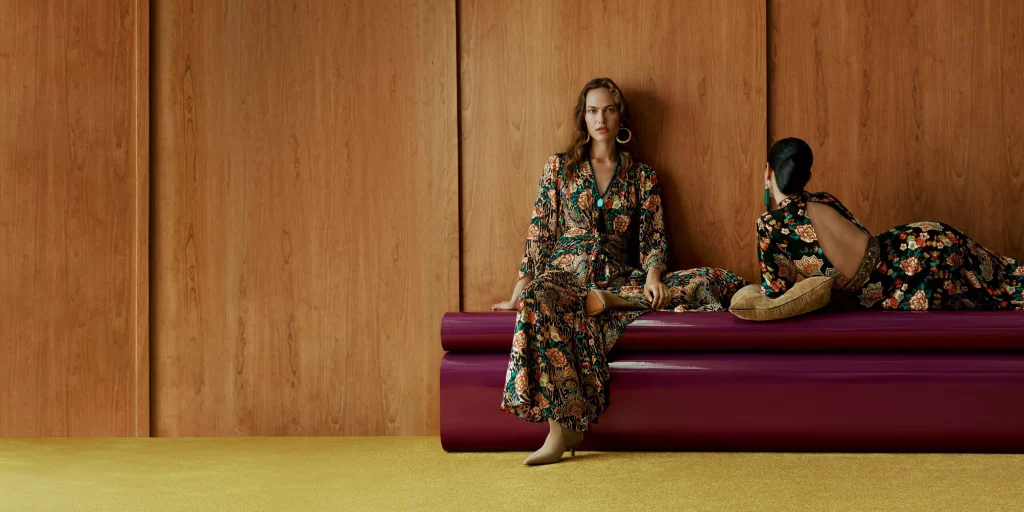
ASOS has been testing that thinking through campaigns and onsite experiences designed around edits and complete outfits. Its autumn campaign, for example, linked campaign looks to shoppable homepage edits, showing customers not just individual pieces but how they can be styled in multiple ways.

Online fashion has an advantage here because it can personalise the journey in a way that is harder to replicate in physical retail. “For online retailers like ASOS, there’s a great opportunity to make the shopping journey feel easier and more confidence-building,” she says.

Artificial intelligence is becoming a key part of that ambition. ASOS has been developing features such as AI Stylist.

“AI has a really exciting role to play because it can help make inspiration feel more personal, useful and effortless,” Spence says. “At ASOS, we’ve taken a really considered approach to features like our AI Stylist to make sure it works for customers in a way that feels true to how they want to discover fashion.”

However, the retailer is also conscious that personalisation should not make fashion feel predictable. “Customers told us they wanted recommendations based on what they love, but that they did not want to lose the joy of discovery,” she adds. “They still wanted room for surprise.”


Building purchase confidence

Another area ASOS is exploring is virtual try-on, which is designed to tackle one of online fashion’s most persistent problems: helping customers visualise how something will look before they buy it.

“One of the biggest barriers in online fashion is visualisation,” Spence says. “Someone may love a product, but if they cannot picture how it will look or work for them, that can create hesitation.”

The company’s research found that one third of consumers have abandoned a purchase because they could not picture how they would wear an item. ASOS’s hybrid virtual try-on approach gives shoppers the option to upload their own image or choose an AI-generated virtual model that represents their likeness.

“Technology works best when it removes friction rather than adding another step,” she says.

“If it helps customers understand fit, proportion and styling more clearly, it can turn inspiration into confidence and make the decision to buy feel more seamless.”

From products to complete looks

The same principle is shaping ASOS’s move towards more outfit-led shopping, including styling-focused product presentation and features such as Buy The Look. Spence says the focus reflects how customers actually think about fashion: less as isolated products and more as complete looks that help them feel confident.

“Fashion isn’t just about buying an individual item, it’s about how you feel in the full look,” she notes. “The right outfit can change how you carry yourself, how confident you feel and how ready you are to show up as your best self.”

ASOS has long styled and shot products as outfits rather than standalone items, but Buy The Look makes that editorial approach more directly shoppable.

“It makes the styling we already do more useful and more shoppable,” Spence says, adding that shoppers using Buy The Look spend triple the amount of time on site. “When customers can see how items work together, they are more confident discovering, engaging with and buying fashion.”

Click here to sign up to Retail Gazette‘s free daily email newsletter

Big InterviewEcommerceFashionFeature ArticlesTechnology

Leave a Reply

Your email address will not be published. Required fields are marked *

Fill out this field
Fill out this field
Please enter a valid email address.

ASOS: online fashion’s next battleground is guidance, not choice

ASOS

Vanessa Spence, EVP brand and creative at ASOS, says retailers must move beyond endless product choice and use curation, AI and styling-led shopping to make fashion feel easier, more personal and more inspiring.

For years, online fashion has been built around abundance: more brands, more drops, more inspiration and more ways to shop. But for ASOS, the next phase of ecommerce is less about adding to the choice and more about helping customers navigate it.

New research from the digital retailer found that 69 per cent of consumers find shopping for clothes overwhelming, while around 64 per cent believe the fashion industry offers too much choice and not enough guidance.

“The research shows that while consumers don’t feel short of inspiration or choice, the number of options can be overwhelming,” Spence says. “The industry has done a really good job of offering more choice, but what matters now is giving people a manageable number of options that feels right for them.”

That makes curation a strategic priority rather than a merchandising nice-to-have. Spence argues that retailers need to help shoppers understand not only what is available, but how products fit into their lives.

“Curation is about helping customers make sense of their choices in a way that feels inspiring, useful and relevant to their own style,” she explains.

“It means moving beyond simply showing products and thinking more about how something can be worn, what it works with, what occasion it suits and how it might fit into your existing wardrobe.”

Turning inspiration into relevance

ASOS has been testing that thinking through campaigns and onsite experiences designed around edits and complete outfits. Its autumn campaign, for example, linked campaign looks to shoppable homepage edits, showing customers not just individual pieces but how they can be styled in multiple ways.

Online fashion has an advantage here because it can personalise the journey in a way that is harder to replicate in physical retail. “For online retailers like ASOS, there’s a great opportunity to make the shopping journey feel easier and more confidence-building,” she says.

Artificial intelligence is becoming a key part of that ambition. ASOS has been developing features such as AI Stylist.

“AI has a really exciting role to play because it can help make inspiration feel more personal, useful and effortless,” Spence says. “At ASOS, we’ve taken a really considered approach to features like our AI Stylist to make sure it works for customers in a way that feels true to how they want to discover fashion.”

However, the retailer is also conscious that personalisation should not make fashion feel predictable. “Customers told us they wanted recommendations based on what they love, but that they did not want to lose the joy of discovery,” she adds. “They still wanted room for surprise.”


Building purchase confidence

Another area ASOS is exploring is virtual try-on, which is designed to tackle one of online fashion’s most persistent problems: helping customers visualise how something will look before they buy it.

“One of the biggest barriers in online fashion is visualisation,” Spence says. “Someone may love a product, but if they cannot picture how it will look or work for them, that can create hesitation.”

The company’s research found that one third of consumers have abandoned a purchase because they could not picture how they would wear an item. ASOS’s hybrid virtual try-on approach gives shoppers the option to upload their own image or choose an AI-generated virtual model that represents their likeness.

“Technology works best when it removes friction rather than adding another step,” she says.

“If it helps customers understand fit, proportion and styling more clearly, it can turn inspiration into confidence and make the decision to buy feel more seamless.”

From products to complete looks

The same principle is shaping ASOS’s move towards more outfit-led shopping, including styling-focused product presentation and features such as Buy The Look. Spence says the focus reflects how customers actually think about fashion: less as isolated products and more as complete looks that help them feel confident.

“Fashion isn’t just about buying an individual item, it’s about how you feel in the full look,” she notes. “The right outfit can change how you carry yourself, how confident you feel and how ready you are to show up as your best self.”

ASOS has long styled and shot products as outfits rather than standalone items, but Buy The Look makes that editorial approach more directly shoppable.

“It makes the styling we already do more useful and more shoppable,” Spence says, adding that shoppers using Buy The Look spend triple the amount of time on site. “When customers can see how items work together, they are more confident discovering, engaging with and buying fashion.”

Click here to sign up to Retail Gazette‘s free daily email newsletter

Social


SUBSCRIBE TO OUR DAILY NEWSLETTER

  • This field is for validation purposes and should be left unchanged.
Big InterviewEcommerceFashionFeature ArticlesTechnology

Leave a Reply

Your email address will not be published. Required fields are marked *

Fill out this field
Fill out this field
Please enter a valid email address.

RELATED STORIES

Latest Feature


Menu


Please enter the verification code sent to your email: