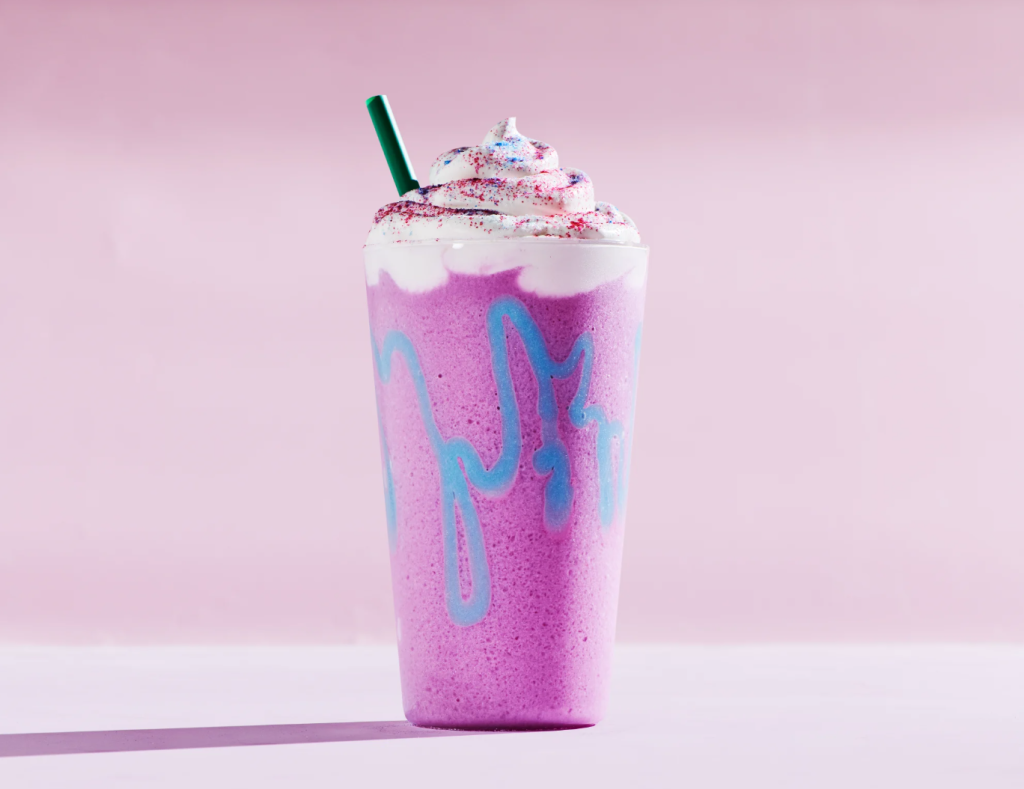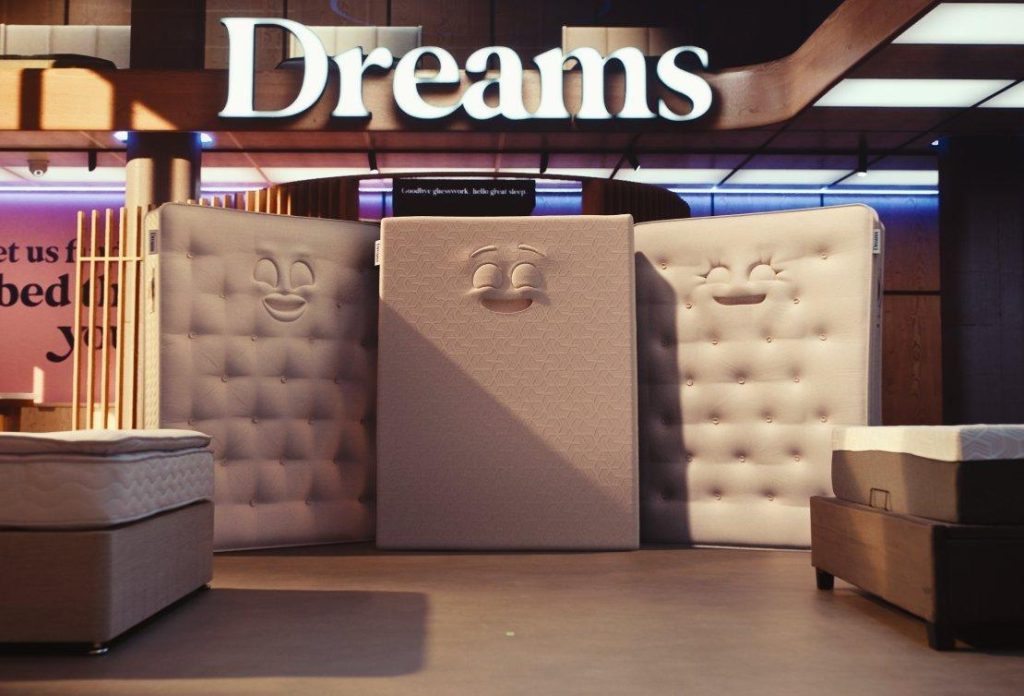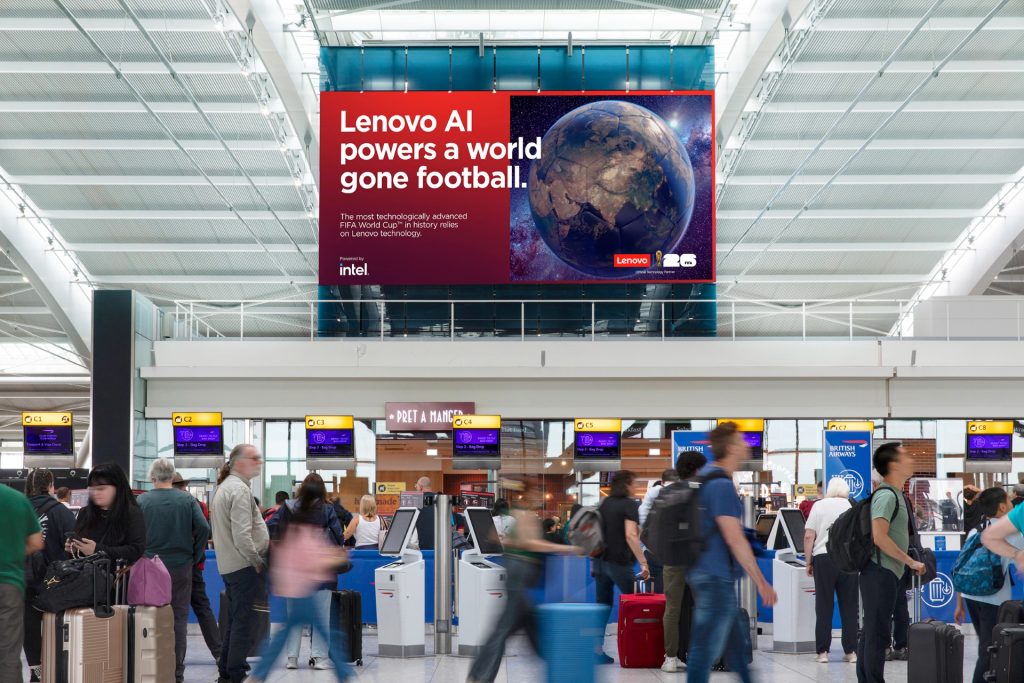


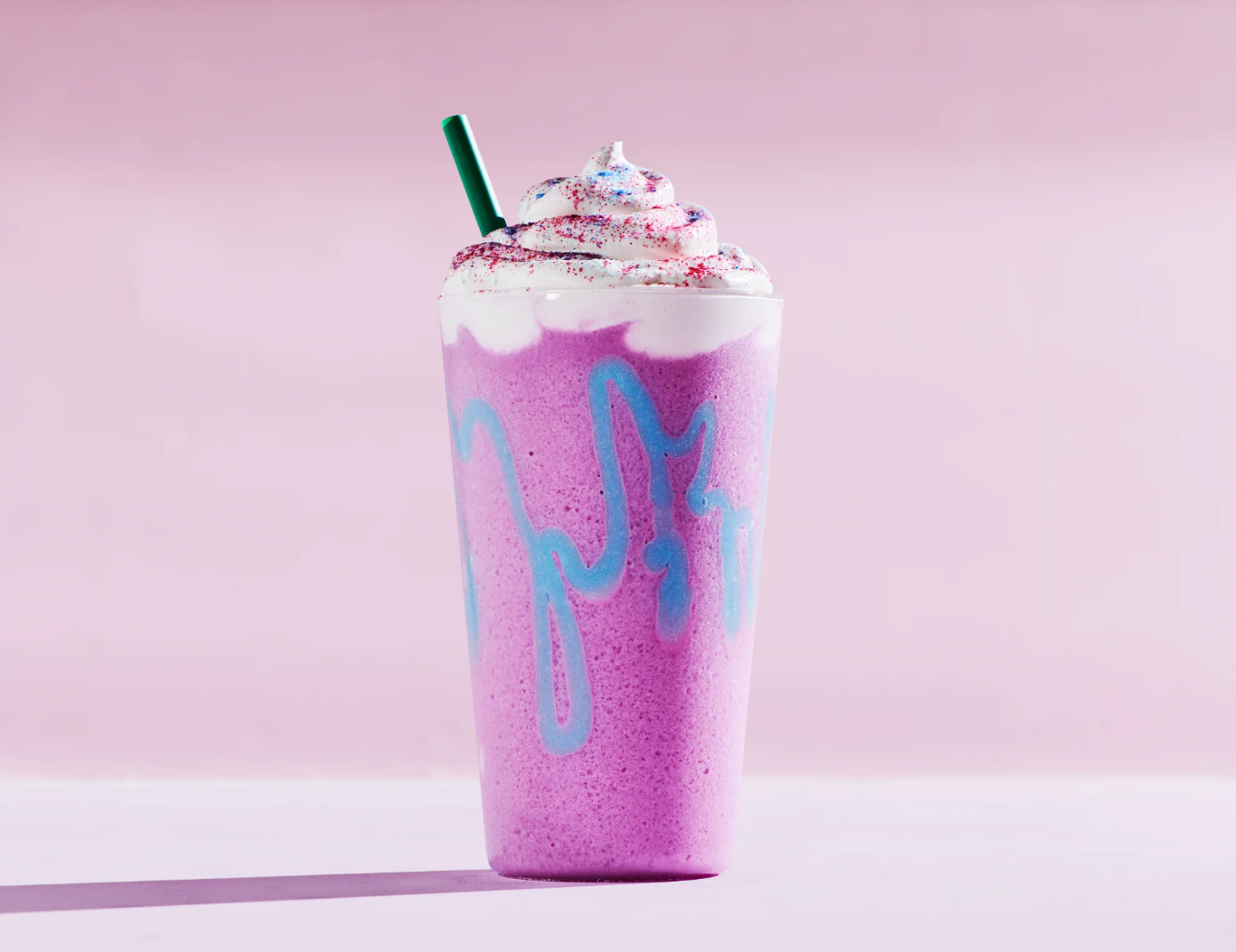
As the Starbucks Unicorn Frappuccino, which became a viral sensation in the US when launched in 2017, comes to the UK for the first time – it is clear that viral product launches are no longer moments of luck.
In the first six months of 2026 brands from a range of sectors moved away from traditional campaign cycles and instead built launches designed to travel: across TikTok feeds, through group chats and into stores.
The most successful product drops so far this year have blurred the lines between content, commerce and community. And in doing so brands are reshaping what “good” looks like in retail marketing.
Take M&S’s limited-edition strawberries and cream sandwich, which quickly became a social media talking point. The product itself was simple, but its success lay in how it was framed: scarce, seasonal and inherently shareable.
Limited-edition drops remained a powerful lever. Starbucks’ Unicorn Frappi will only be available for three days.
Related Story
Elsewhere, Unilever’s TikTok-led Vaseline Originals range highlights the growing importance of community-led innovation. By turning viral beauty hacks into physical products and launching them through the same creator ecosystem that made them popular, the FMCG giant effectively closed the loop between inspiration and purchase.
“Our community has always shaped how Vaseline is used,” says Nathalia Amadeu, global brand director, Vaseline.
“With Vaseline Originals, we have taken those timeless beauty rituals and reimagined them for today – creating products that are rooted in real behaviour but designed for modern beauty routines and platforms.”
This convergence of content and commerce is also playing out in the rise of live shopping and creator-led launches, where products routinely sell out within minutes. In these environments, the traditional marketing funnel has all but disappeared. Awareness, consideration and conversion now happen simultaneously.

Meanwhile, brands investing in experiential retail, from street-level activations to pop-up drops, are finding new ways to generate organic reach. These physical moments are increasingly designed with digital amplification in mind, creating a feedback loop between real-world engagement and online visibility.
In June, digital giant ASOS hosted its London Lido pop-up, a two day immersive experience aimed at helping consumers to discover this summers most wanted beauty products.
Bernadette Sullivan, director of face and body at ASOS, explains: “Summer is a time when customers feel more open to experimenting, whether that’s trying a new routine, discovering different brands or finding products that help them feel their best.
“With the London Lido pop-up, we wanted to bring that sense of fun and discovery into a real-world setting, in a way that feels approachable and easy to engage with.”
Pop-ups aren’t just for beauty brands with Disney hosting a collectible pop-up in the UK capital; Lululemon brought padel to Manchester’s Trafford Centre; and Nespresso even trialled a pickled coffee cola at it’s April activation.
Taken together, these launches point to a broader shift in how retail marketing is being defined. Product is no longer the end point of the process — it is the starting point for storytelling, community engagement and, ultimately growth.
For retailers and brands alike, the implication is clear: the next generation of winning launches won’t just be measured in units sold, but in how far and how fast they travel.
Click here to sign up to Retail Gazette‘s free daily email newsletter