

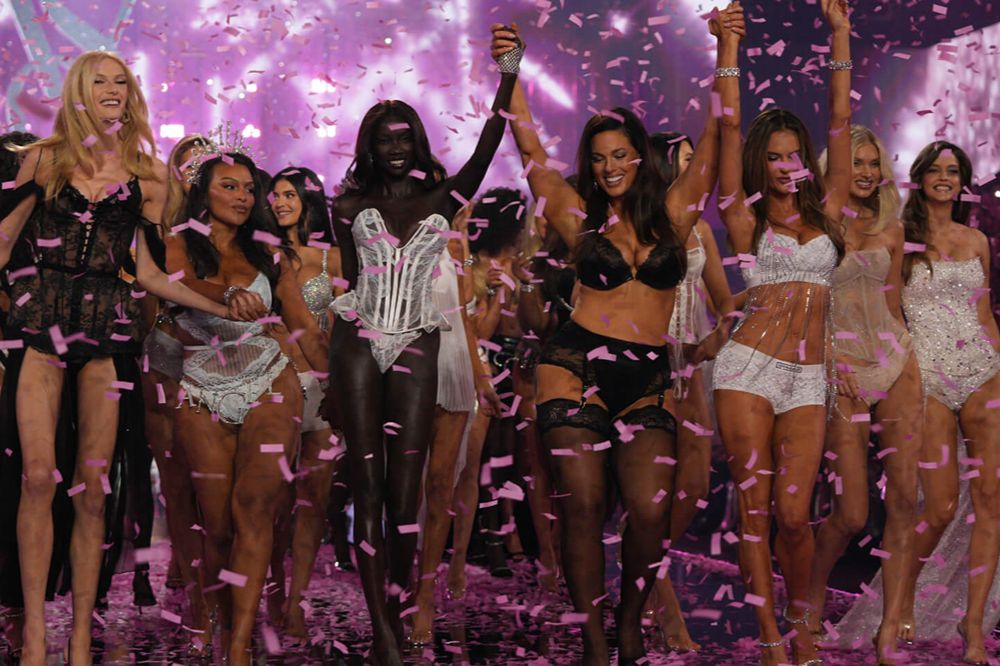
Victoria’s Secret returned to the runway on October 18, bringing its annual fashion spectacle back to Los Angeles with a mix of established models and celebrity star power.
Among the headline moments was Barbara Palvin’s return just six weeks after giving birth. While Kylie Jenner made her Victoria’s Secret runway debut wearing the $50m Fantasy Bra – becoming the first non-model to take on the coveted role.
With high-profile names increasingly becoming part of the brand’s biggest moments, the show offered another example of how fashion and celebrity influence are becoming increasingly intertwined.
The fashion and marketing industry has been quick to respond:
Joe Darwen, founder and CEO of CircKit, an AI-powered technology platform that empowers fashion & footwear brands to unlock new growth from circular design, says: “Having Kylie Jenner walk the Victoria’s Secret runway was a massive marketing opportunity. Celebrity casting can turn a fashion show into a cultural moment, reaching millions who might never normally engage with the brand.
“Celebrities hold power to influence demand, and help determine which brands and products get cultural traction. So with that in mind, the real opportunity is not merely who they wear, but what their influence could unlock in the context of creating better fashion systems.
“Case in point: at Manchester Fashion Week this September, we saw a different way of getting people talking about fashion. Sustainability was a major focus, with designers showcasing circular collections and transforming discarded materials into new clothing. Upcycling fashion brand GBADEBO brought out music artist Princethekid to lead their fashion show’s finale. Whilst the moment amplified the collection’s cultural impact, craft and upcycling remained at the heart of the collection’s story.
“For Victoria’s Secret, Kylie’s appearance is an opportunity to do more than generate headlines; it could introduce the brand to a whole new generation of shoppers. That’s an enormous opportunity for any retailer, it’s why what happens behind the scenes, from product development to understanding customer demand, matters just as much as what happens on the runway.
“Ultimately, celebrity casting can be incredibly powerful, and can make a collection famous overnight. If a celebrity can get people looking and talking, then the clothes they wear have an opportunity to say something meaningful too.”
Related Story

Siena Hutchinson, founder of Hutch & Co, responds: “We’re witnessing a fundamental shift in what makes someone influential in fashion. There was a time when the supermodel was the ultimate aspiration, but social media has completely changed how consumers connect with the people representing brands.
“Today, consumers don’t just want to admire someone from afar, they want to feel like they know them. That’s why personalities like Kylie Jenner are so commercially powerful. She’s spent years building a direct relationship with millions of people, something that traditional fashion advertising could never replicate.
“For Victoria’s Secret, casting Kylie isn’t just a headline-grabbing moment. It’s a clever brand marketing decision that taps into an existing community and keeps the brand culturally relevant. The brands that understand this shift from aspiration to connection are the ones that will continue to resonate with younger consumers.”
Matt Rouif, CEO and Co-founder of Photoroom, comments: “A celebrity on the runway creates the search, but the product page decides the sale. Nobody watching Kylie Jenner’s debut is buying the Fantasy Bra. They’re searching for the pieces around it, and that’s where brands win or lose. People buy pictures and receive products, so shoppers want to see exactly what they would be getting: how it fits, how it moves, its true colour and fabric. If the page can’t show that, the interest moves on to another brand.
“The fashion brands that turn these moments into sales don’t rely on one striking image. They show fit and how a piece is worn, and they do it consistently across the whole range, not just the product everyone is talking about. When we reviewed the product pages of more than 1,500 brands this year, some of the best came from growing businesses with no in-house studio, so this is about discipline more than budget.
“It shows in the numbers. When luxury resale platform Vestiaire Collective tested Photoroom against its existing editing tool, listings edited with Photoroom recorded a 5 per cent higher sales rate. Heading into Black Friday, that gap matters: interest is easy to create and just as easy to lose.”
Click here to sign up to Retail Gazette‘s free daily email newsletter