

Celebrities are taking centre stage in Britain’s Christmas advertising, with more than half of this year’s festive campaigns featuring famous faces, while the appearance of less-healthy food products has fallen sharply following new advertising restrictions.
New analysis from advertising technology company XR found that 56 per cent of the Christmas adverts it examined in 2026 featured celebrities, up from 45 per cent last year and 30 per cent in 2024.
Meanwhile, just two per cent of this year’s adverts featured identifiable less-healthy food products, compared with 23 per cent in 2024.
XR analysed 210 UK Christmas adverts across three years, including 73 from 2024, 83 from 2025 and 54 released by 23 November this year.
The figures represent the campaigns examined rather than the entire UK advertising market, and this year’s sample is smaller because the festive season is still under way.
Christmas is becoming a celebrity showcase
The shift towards famous faces is not just about securing a single high-profile name.
XR found that 32 per cent of this year’s Christmas campaigns featured two or more celebrities, compared with 24 per cent in 2025 and 16 per cent in 2024.
JD Sports is among the businesses taking the approach furthest.
Its 2026 campaign, Create The New, features more than 20 figures from music, sport and entertainment, including footballer Lauren James, DJs Sammy Virji and Josh Baker, singer Skye Newman and mixed martial artist Ilia Topuria.
The campaign moves away from traditional festive storytelling, instead bringing together different creative communities around music, fashion and sport.
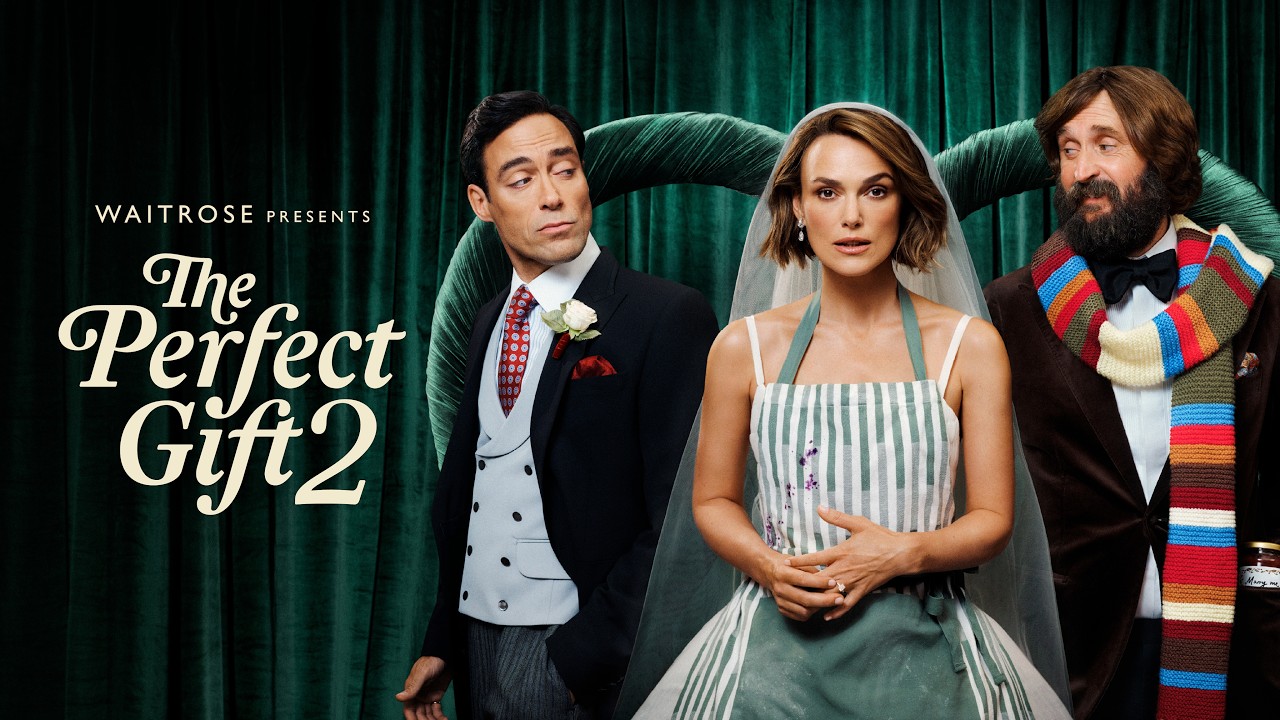
M&S recruited James Norton to play Santa in its Christmas campaign, while Waitrose brought back Keira Knightley and Joe Wilkinson for a six-minute festive romantic comedy.
Sports Direct has also teamed up with Nike for a campaign starring Erling Haaland, Dina Asher-Smith, Leah Williamson, Henry Pollock and rapper Aitch.
XR chief marketing officer Graham McKenna said Christmas advertising had become an increasingly competitive battle for attention.
“Christmas advertising has always been a battle for attention, but this year it’s looking more like a celebrity roll call,” he said.

Where have all the mince pies gone?
The other major finding is the decline in adverts featuring identifiable less-healthy food products.
The shift follows the introduction of new UK advertising rules on 5 January, which prohibit adverts for identifiable less-healthy food and drink products on television before 9pm and in paid-for online advertising at any time.
The restrictions cover products that meet specific nutritional and category criteria, meaning certain Christmas favourites, including mince pies, puddings and cakes, can fall within their scope.
However, the rules do not amount to a blanket ban on festive food advertising.
Brands can still promote their wider identity without featuring identifiable restricted products, while food advertising that falls outside the restrictions remains permitted.
That distinction has important implications for supermarkets, which traditionally use Christmas adverts to showcase seasonal ranges and encourage shoppers to trade up to premium products.
Instead, many brands are giving greater prominence to characters, humour, nostalgia and the experience of celebrating Christmas.
McKenna said the traditional festive food close-up was becoming harder to spot, suggesting that brands were adapting their storytelling as they navigated the new rules.
What it means for retail marketing teams
The findings raise an important question for brands investing heavily in Christmas campaigns. How do they make their products memorable, when the advertising increasingly revolves around celebrities and entertainment?
Famous faces can attract attention and help campaigns travel beyond paid advertising, but the challenge remains connecting that attention to the business behind the advert.
It is particularly relevant as shoppers become more critical of the money spent on festive marketing.
Research from OnePulse found that 57 per cent of consumers would rather businesses spent less on Christmas advertising and passed the savings on through lower prices.
For food brands, the challenge is more complex. Advertising teams must communicate their festive offer while staying within the rules governing identifiable less-healthy products.
For non-food businesses, the growing reliance on celebrities creates a different risk, standing out when competitors are using the same approach.
The figures suggest that Christmas marketing is becoming less about placing products directly in front of shoppers and more about creating entertainment that audiences will actively choose to watch.
But with celebrity appearances now featuring in more than half of the campaigns analysed, star power alone may no longer be enough to make a Christmas advert distinctive.
Click here to sign up to Retail Gazette‘s free daily email newsletter