

Aldi is cutting back its product ranges across Europe, including the UK, as it hopes to regain ground against Lidl following a sharp slowdown in sales growth.
The supermarket is removing some branded, niche and duplicate products in favour of everyday essentials and own-label ranges, returning to the simpler, low-cost model that helped it win over shoppers.
The changes are also taking place in Britain, where Aldi typically stocks around 2,000 products.
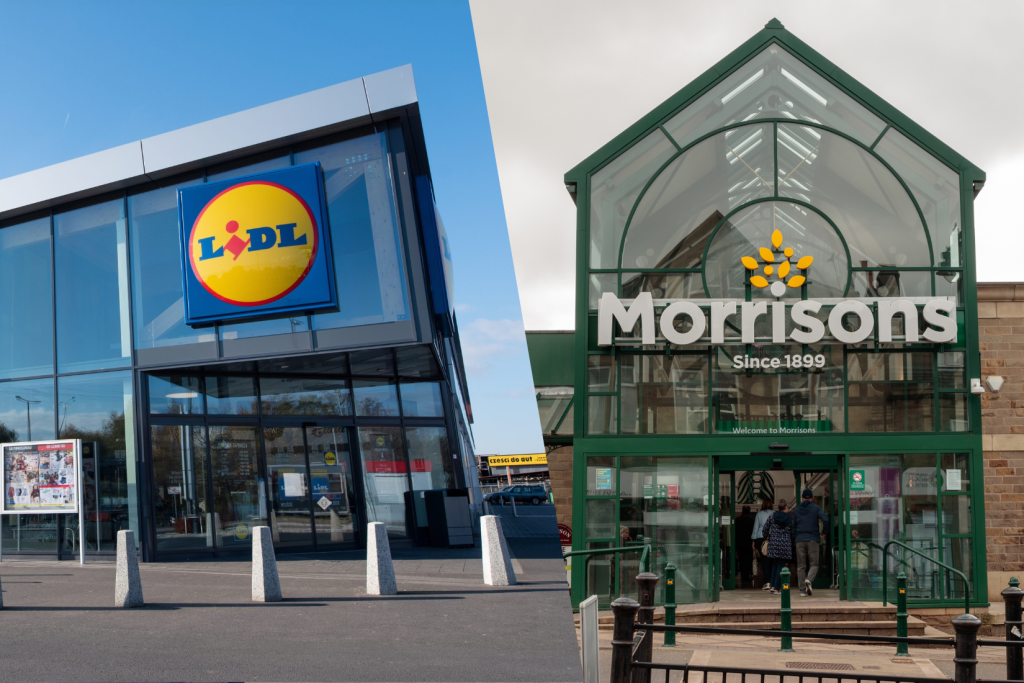
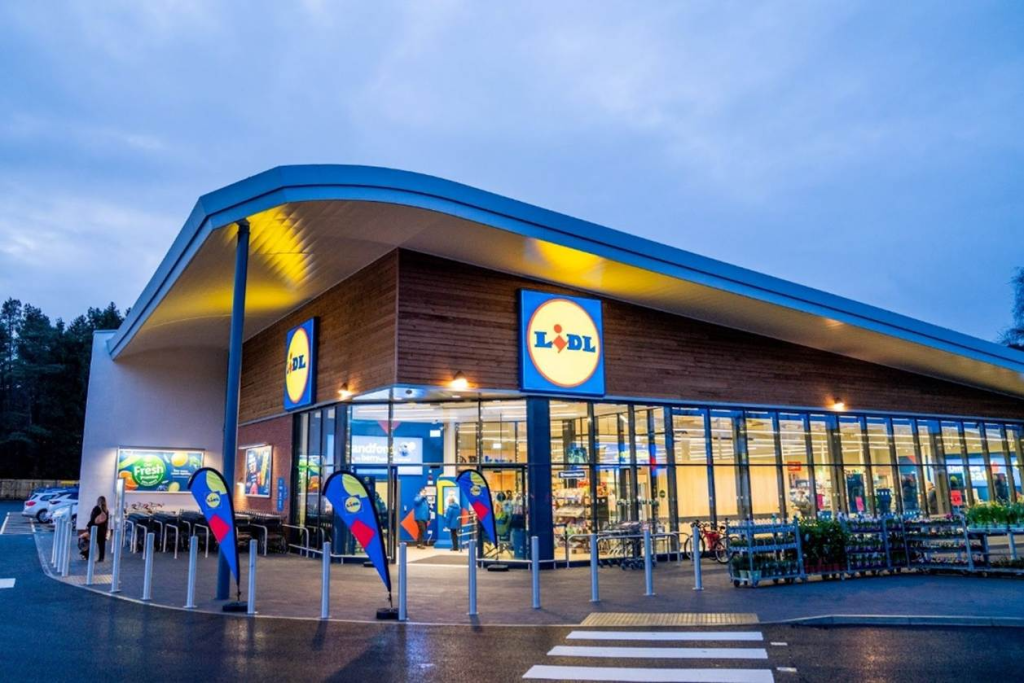
Lidl is continuing to outpace its biggest discount rival, with sales climbing 6.6 per cent to £3bn in the 12 weeks to 1 November, compared with growth of 0.4 per cent at Aldi, according to Worldpanel by Numerator.
Lidl also took £23.6m in net spending from Aldi during the period, as shoppers increasingly switched between the two chains.
Despite the gap in growth, Aldi remains Britain’s biggest discounter, holding a 10.4 per cent share of the grocery market compared with Lidl’s 8.6 per cent.
The changes are understood to be part of a wider effort to sharpen Aldi’s price advantage over its rivals.
According to Which? research, Lidl was 1.5 per cent more expensive than Aldi on average in the three months to October, while Ocado and Waitrose were 31 per cent and 40 per cent more expensive respectively.
Aldi is now looking to widen that gap further by simplifying its ranges and cutting costs.
Aldi previously made a £100m investment in price cuts across 300 products in July, which formed part of its efforts to attract shoppers struggling with household bills.
However, Lidl has been stepping up its own efforts to compete on value.
As reported last month, Lidl has invested more than £400m in price cuts and promotions this year, including reductions across more than 1,200 products.
Aldi is taking a similar back-to-basics approach in other European markets.
In Italy, it announced plans in September to return to its discounting roots, while its Swiss business has pledged to focus on its core value proposition.
It is also reducing its product assortment in Germany as part of efforts to lower operating costs.
Kearney senior partner Mirko Warschun told the Financial Times that Aldi’s strategy was about refining its existing model rather than changing direction.
He warned that adding too many products risked undermining the simplicity that had made the business successful.
The change to the range it offers comes as Aldi faces another challenge of slowing store expansion.
It had previously targeted 1,200 UK stores by the end of 2025 but currently operates just over 1,000, despite maintaining a longer-term ambition of reaching 1,500 locations.
Aldi plans on investing £900m in its UK operations next year, including plans to open around 40 new supermarkets.
Both Aldi and Lidl are also facing tighter rules around property agreements following a recent decision by the Competition and Markets Authority.
The watchdog ruled last month that the two discounters must face the same restrictions as Britain’s biggest supermarkets, limiting their ability to use land agreements to prevent competitors opening nearby.
Aldi UK defended its performance, pointing to Worldpanel data showing it was the only major supermarket where average prices were lower than a year ago.
Click here to sign up to Retail Gazette‘s free daily email newsletter