NIFT founder discusses on-demand discovery and delivery

NIFT
Big InterviewEcommerceFashionSupply Chain

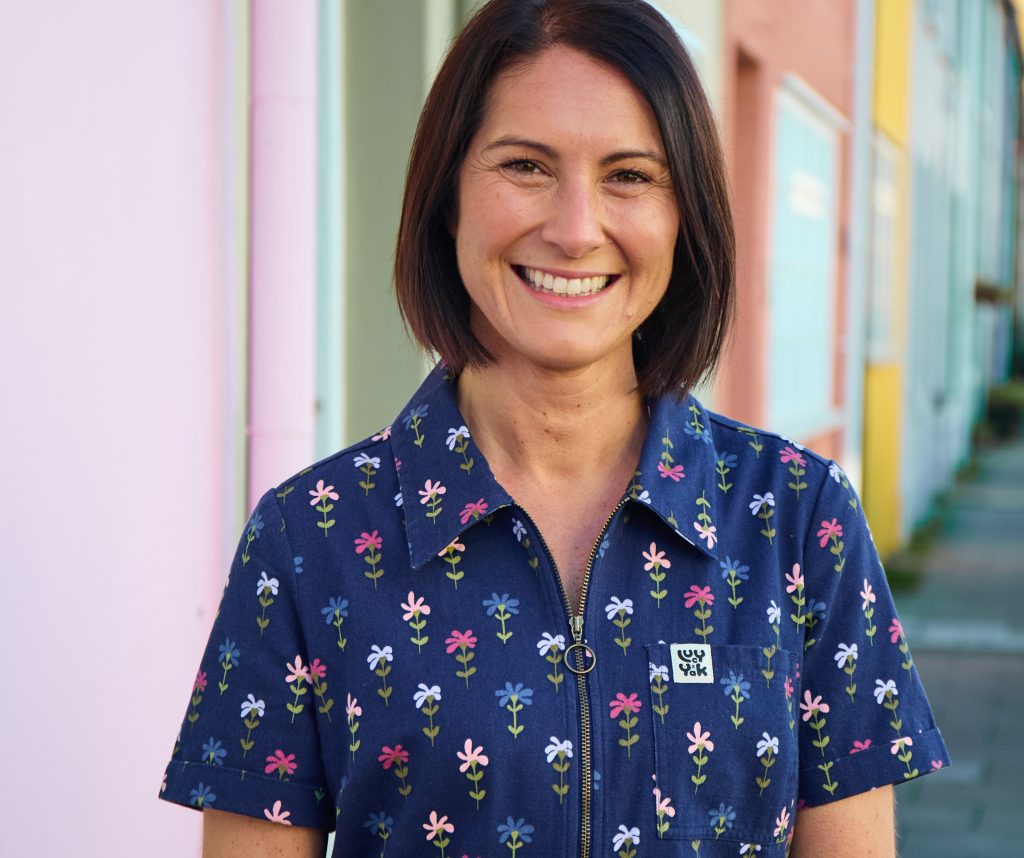
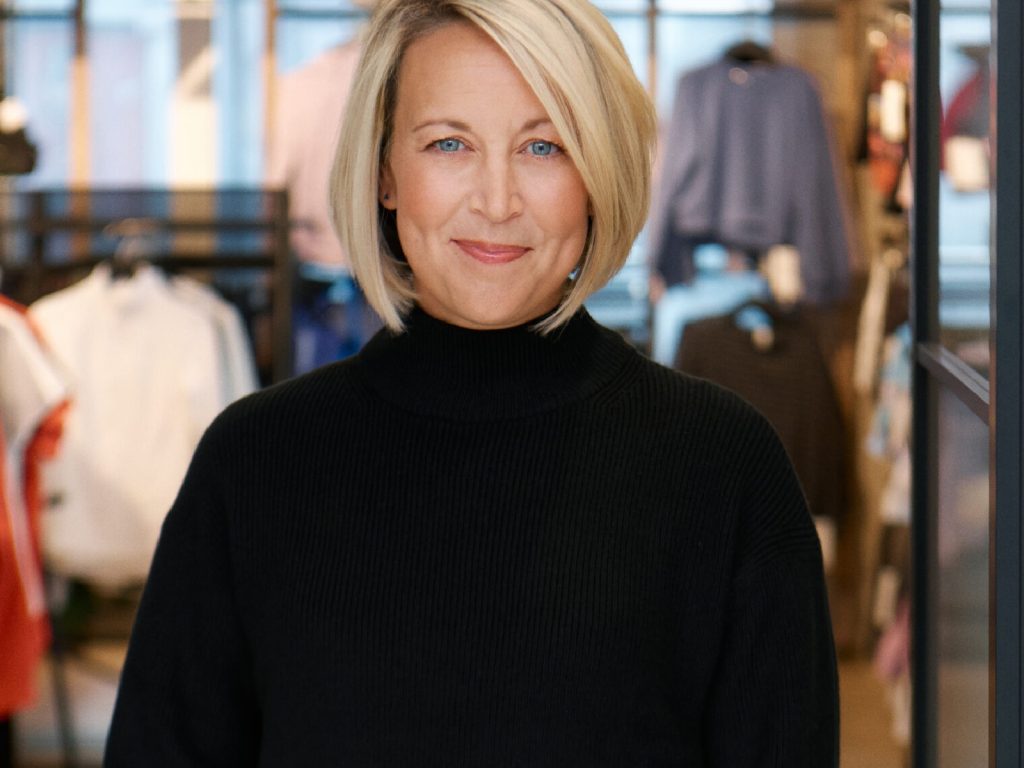
Simone Oloman, CEO and founder of Need It For Tonight (NIFT), is nominated for Women in Leadership at this year’s RG Retail Excellence Awards. She has built a retail model where speed, store stock and local fulfilment work together.

NIFT began with the familiar ecommerce frustration of a delivery that failed at the very moment it mattered most. Her sister had been left without an outfit ahead of an important event and did not have time to head to Oxford Street to find a replacement.

Inspired by this irritation, Oloman asked: “Why isn’t there a platform where you can see really quality brands and stores in your area, and then just get it delivered by a bike?”

That question became a platform designed to bring curated fashion from nearby stores to customers at pace. But Oloman is clear that NIFT is no longer just about solving the last-minute “fashion emergency”.

Since launching in 2023, the business has evolved from a consumer-facing marketplace into a broader infrastructure proposition for retailers. The company now combines a curated app and website with plug-and-play delivery technology and, more recently, a central London fulfilment operation.

“We want to turn bricks-and-mortar stores into hyper-local fulfilment centres,” she says.

Stores are no longer only places for browsing, service and brand experience; they are increasingly being asked to act as stockrooms, dispatch points and local delivery networks. For retailers under pressure to make the most of their physical estates, that change can turn store inventory into an ecommerce advantage rather than a cost.

NIFT’s original marketplace remains core to the business. Customers can browse a curated selection of contemporary brands, boutiques and emerging labels, then choose same-day, scheduled or next-day delivery depending on location.

Discovery, not just delivery

The proposition was inspired by food delivery, but Oloman is keen to stress that discovery matters as much as speed. “I was very inspired by Deliveroo,” she says. “I’ve found so many incredible restaurants from Deliveroo that I never would have heard of if it hadn’t been for Deliveroo. In the same way, we really want to mirror that in the fashion space.

“There’s so many incredible independent boutiques that customers come to discover. We have the big brands like Farm Rio on there, but we also really want to shine a light on more emerging brands, and be a platform where customers can come to discover new brands local to their area.”

The next step was to take the same technology and delivery network and offer it directly to retailers. NIFT’s B2B product integrates with a retailer’s checkout, giving shoppers options such as “need it for today, need it for tonight or need it for tomorrow”.

Oloman explains: “It just comes in at any retailer’s checkout, whether they’re a boutique, whether they’re a global brand, whether they can even be beauty or electronics. It’s retail agnostic.”

For stores, the appeal is not only customer convenience. Oloman says brands quickly understand the commercial benefit.

“Store managers are usually the people that get really bought in,” she says. “When I say: ‘well, when we do the integration, it’s not going towards online sales; it’s going towards your store sales’, it helps them to achieve and exceed their store targets.”

That is where Oloman sees the bigger opportunity. Retail has spent years optimising around range, price and digital experience, but delivery remains a major point of friction.

Customers have become used to real-time tracking, short wait times and flexible fulfilment in other parts of their lives. Once they experience similar immediacy in fashion, she believes, expectations change quickly. Speed stops being a novelty and becomes part of the service standard.

The right data and connected tech

Making that work, however, is complicated. Oloman says: “Logistics, technology and fashion are not really three industries that have traditionally worked seamlessly together.”

She admits that it took time to “really build and refine the technology that’s capable of handling the realities of each one”.

Clear communication is also required. NIFT is working closely with retailers to stress that to achieve successful on-demand delivery operations they need to have full stock visibility.

“We’re only as accurate as a retailer’s stock is,” she adds. “On-demand delivery really only works when that inventory data is reliable.”

The business has also listened closely to retailers when shaping its technology. Rather than building in isolation, Oloman says the team has asked partners what they liked and disliked about previous fulfilment centres, which pain points they experienced with warehouse systems, and where existing tools fell short.

“We’re a small team with big ambitions,” she says. “We’ve had to really scale responsibly. We have to be really disciplined about where we focus our time, where we focus our capital, and where we focus our technology.”


The clearest sign of NIFT’s expanding model is its new fulfilment centre at Westfield White City. “Where I am today is actually in a 12,000 square foot space below the Westfield,” Oloman says.

The operation gives brands a way to hold stock in London without taking on the cost of a store or their own warehouse. It can handle goods-in, storage, pick and pack, returns, rework, next-day national delivery, international shipping and same-day London delivery. For digital-first brands, that opens up a meaningful physical presence in the capital without the traditional overheads.

The move emerged from conversations with brands, Oloman shares: “There were so many brands that looked like they were London brands. But they might not be able to afford a bricks-and-mortar store, and they can’t afford to have their stock in London because it’s too expensive.”

NIFT’s fulfilment centre is designed to give those brands the infrastructure to serve London customers quickly.

The Westfield partnership also brings NIFT closer to established retailers. Oloman says the team expects to work with stores in the shopping centre on same-day delivery, adding another layer to the hub model. In practice, NIFT is developing two complementary fulfilment routes: enabling existing stores to ship from their own stock, and giving brands without stores access to a central London base that can serve customers quickly.

For the high street, that model carries a wider implication. If physical stores can become productive fulfilment assets, they gain a new role in an omnichannel network. Rather than ecommerce cannibalising stores, local delivery can reinforce them.

Store teams can serve customers beyond the shop floor; customers can access nearby stock without making a journey; retailers can shorten delivery distances and potentially reduce failed deliveries by offering more precise, tracked fulfilment.

Women in logistics

While nominated for Women in Leadership, Oloman’s leadership style has been shaped by the difficulty of building in spaces where she has not always felt immediately accepted. “Being a female-founder in logistics and tech has had its moments,” she shares.

“I’ve definitely been in situations where I’ve had to work harder to establish credibility.”

That experience has made her deliberate about culture. She wants people to question decisions, contribute ideas and take ownership, while understanding the standards required to build an operationally demanding business.

“The best decisions don’t have to come from, and rarely come from, the loudest person in the room,” she notes. “It comes from creating a space where different perspectives are welcomed.”

For NIFT, that matters because the business depends on bringing together fashion curation, customer experience, store operations, warehouse processes, courier networks and software integration. A culture that invites challenge can be commercially useful when the model itself requires constant coordination between moving parts.

Her immediate priority is not another reinvention, but scaling what NIFT has already built. “One of the biggest opportunities in retail is turning existing bricks-and-mortar stores into local fulfilment hubs.”

That means expanding into other cities, growing the retailer base, building the logistics operation and persuading more brands that stores and urban fulfilment points can be revenue engines rather than cost centres.

What began as a last-minute dress dilemma has become a broader argument about retail infrastructure. NIFT’s growth story is not simply about getting fashion to customers faster; it is about rethinking what a store can do, who gets access to city-centre fulfilment, and how retailers can make their physical footprints work harder.

For Oloman, the future of on-demand retail is not a distant warehouse. It is the store down the road, the shopping centre across town, and the stock already waiting to move.

Oloman joins leaders from Noli, The Puppet Company, Lush, Unhidden, Wayfair and many more in the Women in Leadership category. This year’s RG Excellence Awards will be hosted at the Underglobe on 14 October 2026. 

Click here to sign up to Retail Gazette‘s free daily email newsletter

Big InterviewEcommerceFashionSupply Chain

Leave a Reply

Your email address will not be published. Required fields are marked *

Fill out this field
Fill out this field
Please enter a valid email address.

NIFT founder discusses on-demand discovery and delivery

NIFT

Simone Oloman, CEO and founder of Need It For Tonight (NIFT), is nominated for Women in Leadership at this year’s RG Retail Excellence Awards. She has built a retail model where speed, store stock and local fulfilment work together.

NIFT began with the familiar ecommerce frustration of a delivery that failed at the very moment it mattered most. Her sister had been left without an outfit ahead of an important event and did not have time to head to Oxford Street to find a replacement.

Inspired by this irritation, Oloman asked: “Why isn’t there a platform where you can see really quality brands and stores in your area, and then just get it delivered by a bike?”

That question became a platform designed to bring curated fashion from nearby stores to customers at pace. But Oloman is clear that NIFT is no longer just about solving the last-minute “fashion emergency”.

Since launching in 2023, the business has evolved from a consumer-facing marketplace into a broader infrastructure proposition for retailers. The company now combines a curated app and website with plug-and-play delivery technology and, more recently, a central London fulfilment operation.

“We want to turn bricks-and-mortar stores into hyper-local fulfilment centres,” she says.

Stores are no longer only places for browsing, service and brand experience; they are increasingly being asked to act as stockrooms, dispatch points and local delivery networks. For retailers under pressure to make the most of their physical estates, that change can turn store inventory into an ecommerce advantage rather than a cost.

NIFT’s original marketplace remains core to the business. Customers can browse a curated selection of contemporary brands, boutiques and emerging labels, then choose same-day, scheduled or next-day delivery depending on location.

Discovery, not just delivery

The proposition was inspired by food delivery, but Oloman is keen to stress that discovery matters as much as speed. “I was very inspired by Deliveroo,” she says. “I’ve found so many incredible restaurants from Deliveroo that I never would have heard of if it hadn’t been for Deliveroo. In the same way, we really want to mirror that in the fashion space.

“There’s so many incredible independent boutiques that customers come to discover. We have the big brands like Farm Rio on there, but we also really want to shine a light on more emerging brands, and be a platform where customers can come to discover new brands local to their area.”

The next step was to take the same technology and delivery network and offer it directly to retailers. NIFT’s B2B product integrates with a retailer’s checkout, giving shoppers options such as “need it for today, need it for tonight or need it for tomorrow”.

Oloman explains: “It just comes in at any retailer’s checkout, whether they’re a boutique, whether they’re a global brand, whether they can even be beauty or electronics. It’s retail agnostic.”

For stores, the appeal is not only customer convenience. Oloman says brands quickly understand the commercial benefit.

“Store managers are usually the people that get really bought in,” she says. “When I say: ‘well, when we do the integration, it’s not going towards online sales; it’s going towards your store sales’, it helps them to achieve and exceed their store targets.”

That is where Oloman sees the bigger opportunity. Retail has spent years optimising around range, price and digital experience, but delivery remains a major point of friction.

Customers have become used to real-time tracking, short wait times and flexible fulfilment in other parts of their lives. Once they experience similar immediacy in fashion, she believes, expectations change quickly. Speed stops being a novelty and becomes part of the service standard.

The right data and connected tech

Making that work, however, is complicated. Oloman says: “Logistics, technology and fashion are not really three industries that have traditionally worked seamlessly together.”

She admits that it took time to “really build and refine the technology that’s capable of handling the realities of each one”.

Clear communication is also required. NIFT is working closely with retailers to stress that to achieve successful on-demand delivery operations they need to have full stock visibility.

“We’re only as accurate as a retailer’s stock is,” she adds. “On-demand delivery really only works when that inventory data is reliable.”

The business has also listened closely to retailers when shaping its technology. Rather than building in isolation, Oloman says the team has asked partners what they liked and disliked about previous fulfilment centres, which pain points they experienced with warehouse systems, and where existing tools fell short.

“We’re a small team with big ambitions,” she says. “We’ve had to really scale responsibly. We have to be really disciplined about where we focus our time, where we focus our capital, and where we focus our technology.”


The clearest sign of NIFT’s expanding model is its new fulfilment centre at Westfield White City. “Where I am today is actually in a 12,000 square foot space below the Westfield,” Oloman says.

The operation gives brands a way to hold stock in London without taking on the cost of a store or their own warehouse. It can handle goods-in, storage, pick and pack, returns, rework, next-day national delivery, international shipping and same-day London delivery. For digital-first brands, that opens up a meaningful physical presence in the capital without the traditional overheads.

The move emerged from conversations with brands, Oloman shares: “There were so many brands that looked like they were London brands. But they might not be able to afford a bricks-and-mortar store, and they can’t afford to have their stock in London because it’s too expensive.”

NIFT’s fulfilment centre is designed to give those brands the infrastructure to serve London customers quickly.

The Westfield partnership also brings NIFT closer to established retailers. Oloman says the team expects to work with stores in the shopping centre on same-day delivery, adding another layer to the hub model. In practice, NIFT is developing two complementary fulfilment routes: enabling existing stores to ship from their own stock, and giving brands without stores access to a central London base that can serve customers quickly.

For the high street, that model carries a wider implication. If physical stores can become productive fulfilment assets, they gain a new role in an omnichannel network. Rather than ecommerce cannibalising stores, local delivery can reinforce them.

Store teams can serve customers beyond the shop floor; customers can access nearby stock without making a journey; retailers can shorten delivery distances and potentially reduce failed deliveries by offering more precise, tracked fulfilment.

Women in logistics

While nominated for Women in Leadership, Oloman’s leadership style has been shaped by the difficulty of building in spaces where she has not always felt immediately accepted. “Being a female-founder in logistics and tech has had its moments,” she shares.

“I’ve definitely been in situations where I’ve had to work harder to establish credibility.”

That experience has made her deliberate about culture. She wants people to question decisions, contribute ideas and take ownership, while understanding the standards required to build an operationally demanding business.

“The best decisions don’t have to come from, and rarely come from, the loudest person in the room,” she notes. “It comes from creating a space where different perspectives are welcomed.”

For NIFT, that matters because the business depends on bringing together fashion curation, customer experience, store operations, warehouse processes, courier networks and software integration. A culture that invites challenge can be commercially useful when the model itself requires constant coordination between moving parts.

Her immediate priority is not another reinvention, but scaling what NIFT has already built. “One of the biggest opportunities in retail is turning existing bricks-and-mortar stores into local fulfilment hubs.”

That means expanding into other cities, growing the retailer base, building the logistics operation and persuading more brands that stores and urban fulfilment points can be revenue engines rather than cost centres.

What began as a last-minute dress dilemma has become a broader argument about retail infrastructure. NIFT’s growth story is not simply about getting fashion to customers faster; it is about rethinking what a store can do, who gets access to city-centre fulfilment, and how retailers can make their physical footprints work harder.

For Oloman, the future of on-demand retail is not a distant warehouse. It is the store down the road, the shopping centre across town, and the stock already waiting to move.

Oloman joins leaders from Noli, The Puppet Company, Lush, Unhidden, Wayfair and many more in the Women in Leadership category. This year’s RG Excellence Awards will be hosted at the Underglobe on 14 October 2026. 

Click here to sign up to Retail Gazette‘s free daily email newsletter

Social


SUBSCRIBE TO OUR DAILY NEWSLETTER

  • This field is for validation purposes and should be left unchanged.
Big InterviewEcommerceFashionSupply Chain

Leave a Reply

Your email address will not be published. Required fields are marked *

Fill out this field
Fill out this field
Please enter a valid email address.

RELATED STORIES

Latest Feature


Menu

Get Inside Matalan

A supply chain case study delivered to your inbox in three emails. The 3 elements Matalan changed to impact its bottom line..

Matalan Supply Chain Programme Form

  • This field is for validation purposes and should be left unchanged.


Close popup

Please enter the verification code sent to your email: