
Wolf & Badger co-founder: shoppers “want each purchase to count, that plays to our strengths”

Wolf & Badger
Big InterviewEcommerceFashion

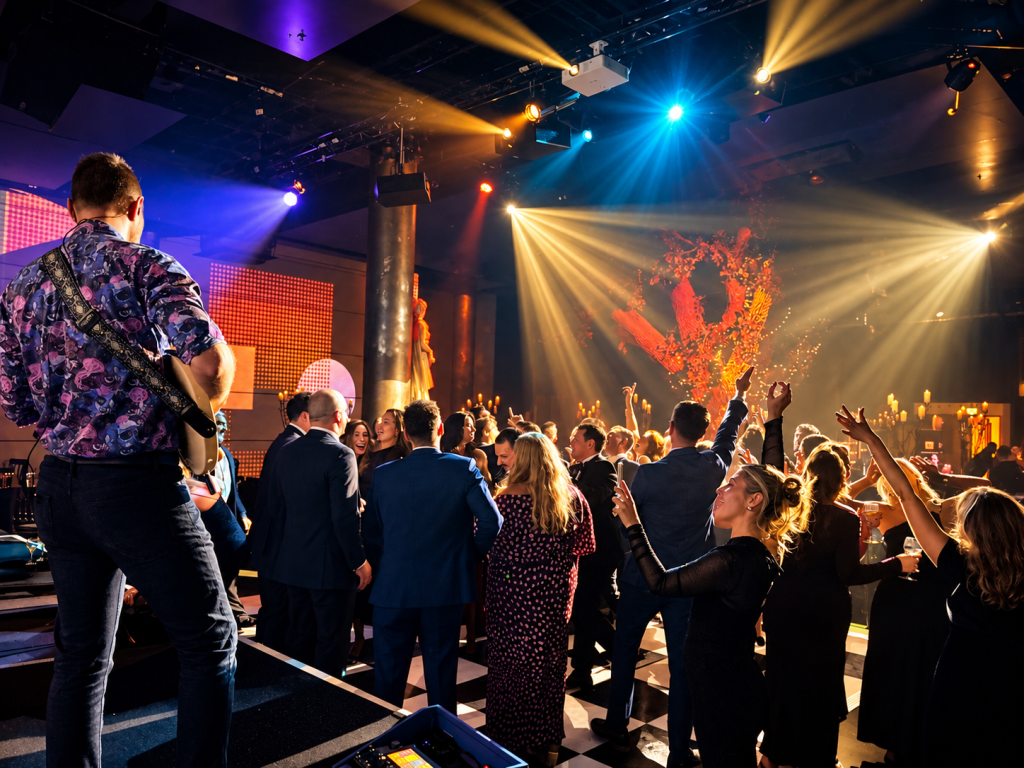
At the first RG Excellence Awards, marketplace for independent, ethical and unique brands Wolf & Badger took home the trophy for Fashion Retailer of the Year.

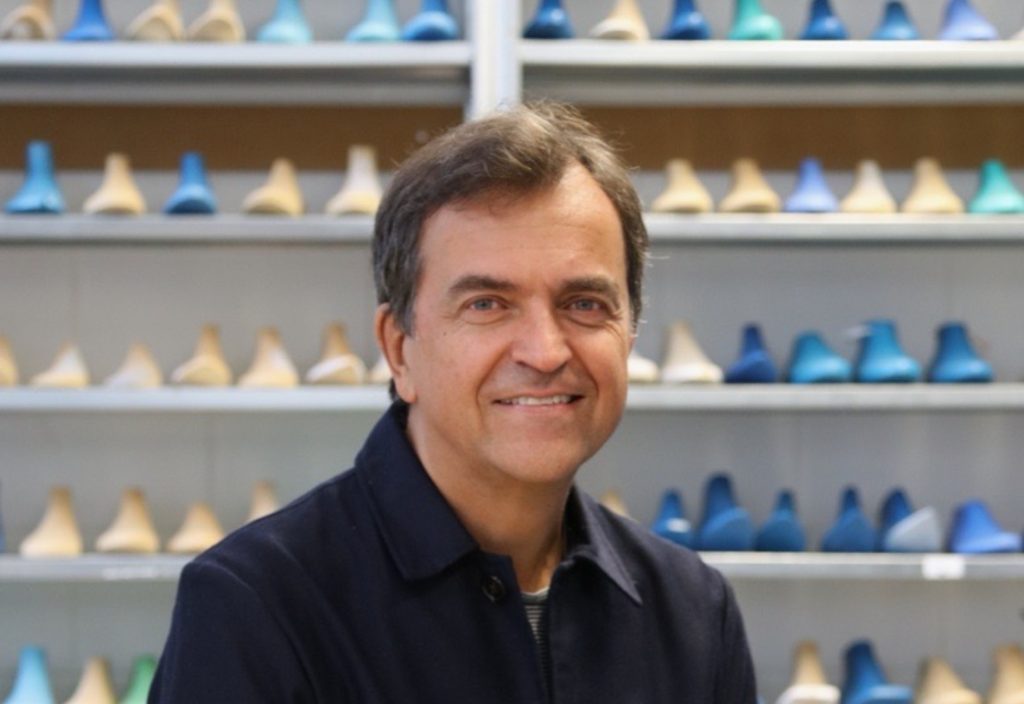
Wolf & Badger co-founder and chief executive George Graham explains how the marketplace is using its curated offer, physical stores and technology to stand out in a challenging fashion market – and why customer retention will be central to its next phase of growth.

Standing out through curation

Wolf & Badger’s point of difference is rooted in a model built around more than 2,000 independent brands, each vetted before joining the marketplace. Brands are assessed annually against its Guarantee Index, which covers 15 standards including fair working conditions, materials and craftsmanship.

“We were up against some excellent retailers, and I think what made us different is the model itself,” explains Graham.

“A customer can find a jewellery designer in Lisbon or a knitwear label in Peru they’d never otherwise come across, and trust how it was made.”

The marketplace combines its online reach with stores in London, New York, and West Hollywood, giving small labels access to shoppers in three major fashion cities.

For its 75-strong team, the award was particularly meaningful: “Seeing that work recognised by the industry, in a year when retail has been tough for everyone, is a big boost,” shares Graham.

“It also means a lot to our brands. Their success is ours.”

Scaling what larger rivals can’t copy

Rather than competing on the breadth of its catalogue alone, Wolf & Badger has focused on the independent designer relationships it has built over more than 15 years. The strategy helped the business pass $100m in gross merchandise value for the first time in 2024.

He notes: “Anyone can add more product. It’s much harder to build a range of independent designers that has been properly vetted, and to keep it fresh.”

Growth has increasingly come from the US, now Wolf & Badger’s largest market ahead of the UK. Investment in its New York and Los Angeles stores has supported this digital presence.

Additionally, sponsored listings introduced last year give brands the option to pay for additional visibility, without displacing the predominantly organic selection curated by the retailer’s team.

Sustainability remains another pillar of its proposition. Wolf & Badger was the first UK online marketplace to certify as a B Corp and improved its score when it recertified in 2025.

“That gives customers a reason to choose us over a generic marketplace,”stresses Graham.


Winning over a more selective shopper

As consumers become more considered about spending, Graham believes Wolf & Badger is well placed to serve shoppers looking for distinctive products designed to last. Brand pages set out the relevant guarantees, helping customers understand how and where items have been made.

He states: “When people are buying less, they want each purchase to count, and that plays to our strengths.

“Our customers aren’t buying throwaway fashion. They’re buying a piece they’ll keep, often something handmade or made in small runs.”

The retailer allows brands to set their own prices and decide whether to participate in promotions, rather than relying on continual discounting.

According to Graham, customers whose first order is at full price are more likely to return than those acquired through a discount: “We’d rather earn loyalty than buy it.”

Customer experience is therefore becoming a greater priority, from richer product information that helps shoppers select the right size and material to stores that act as spaces for discovering brands and meeting founders.

Using technology to deepen loyalty

Wolf & Badger built its own marketplace platform and employs a product and engineering team of about 15 people, enabling it to make changes quickly while bringing in specialist tools where needed.

Its approach to paid media is also evolving. Rather than judging acquisition solely by the cost of an order, the business is increasingly using the value of a customer’s first purchase as a signal of how much they may spend over the following year.

Meanwhile, search, personalisation and clearer product details are helping shoppers navigate a range of more than 300,000 products.

Retention will be the main focus for 2027. Returning customers already account for around 45 per cent of revenue, and the retailer plans to connect customer information across its website, email and stores to make recommendations more relevant.

Graham shares: “We’re using AI in our marketing and customer service as well, but the aim is always to make shopping feel more personal, not more automated.”

Where the next phase of growth lies

The largest immediate opportunity is encouraging customers to shop more frequently as acquisition costs continue to rise across retail. Wolf & Badger plans to make greater use of its stores through designer events and service that allows staff to get to know regular customers.

“A business that can turn a first purchase into a long relationship has a big advantage,” he says.

The US offers further headroom, particularly across jewellery, accessories and homeware as well as clothing. But expansion also brings the challenge of maintaining the rigour of the marketplace’s vetting process while regulatory scrutiny of environmental claims intensifies.

He concludes: “The guarantees only mean something if they hold up, and regulators are rightly getting stricter about green claims. We see that as a good thing for us, because we’ve been asking brands for evidence for years.”

Click here to sign up to Retail Gazette‘s free daily email newsletter

Big InterviewEcommerceFashion

Leave a Reply

Your email address will not be published. Required fields are marked *

Fill out this field
Fill out this field
Please enter a valid email address.

Big InterviewEcommerceFashion

Share:

Wolf & Badger co-founder: shoppers “want each purchase to count, that plays to our strengths”

Wolf & Badger

At the first RG Excellence Awards, marketplace for independent, ethical and unique brands Wolf & Badger took home the trophy for Fashion Retailer of the Year.

Wolf & Badger co-founder and chief executive George Graham explains how the marketplace is using its curated offer, physical stores and technology to stand out in a challenging fashion market – and why customer retention will be central to its next phase of growth.

Standing out through curation

Wolf & Badger’s point of difference is rooted in a model built around more than 2,000 independent brands, each vetted before joining the marketplace. Brands are assessed annually against its Guarantee Index, which covers 15 standards including fair working conditions, materials and craftsmanship.

“We were up against some excellent retailers, and I think what made us different is the model itself,” explains Graham.

“A customer can find a jewellery designer in Lisbon or a knitwear label in Peru they’d never otherwise come across, and trust how it was made.”

The marketplace combines its online reach with stores in London, New York, and West Hollywood, giving small labels access to shoppers in three major fashion cities.

For its 75-strong team, the award was particularly meaningful: “Seeing that work recognised by the industry, in a year when retail has been tough for everyone, is a big boost,” shares Graham.

“It also means a lot to our brands. Their success is ours.”

Scaling what larger rivals can’t copy

Rather than competing on the breadth of its catalogue alone, Wolf & Badger has focused on the independent designer relationships it has built over more than 15 years. The strategy helped the business pass $100m in gross merchandise value for the first time in 2024.

He notes: “Anyone can add more product. It’s much harder to build a range of independent designers that has been properly vetted, and to keep it fresh.”

Growth has increasingly come from the US, now Wolf & Badger’s largest market ahead of the UK. Investment in its New York and Los Angeles stores has supported this digital presence.

Additionally, sponsored listings introduced last year give brands the option to pay for additional visibility, without displacing the predominantly organic selection curated by the retailer’s team.

Sustainability remains another pillar of its proposition. Wolf & Badger was the first UK online marketplace to certify as a B Corp and improved its score when it recertified in 2025.

“That gives customers a reason to choose us over a generic marketplace,”stresses Graham.


Winning over a more selective shopper

As consumers become more considered about spending, Graham believes Wolf & Badger is well placed to serve shoppers looking for distinctive products designed to last. Brand pages set out the relevant guarantees, helping customers understand how and where items have been made.

He states: “When people are buying less, they want each purchase to count, and that plays to our strengths.

“Our customers aren’t buying throwaway fashion. They’re buying a piece they’ll keep, often something handmade or made in small runs.”

The retailer allows brands to set their own prices and decide whether to participate in promotions, rather than relying on continual discounting.

According to Graham, customers whose first order is at full price are more likely to return than those acquired through a discount: “We’d rather earn loyalty than buy it.”

Customer experience is therefore becoming a greater priority, from richer product information that helps shoppers select the right size and material to stores that act as spaces for discovering brands and meeting founders.

Using technology to deepen loyalty

Wolf & Badger built its own marketplace platform and employs a product and engineering team of about 15 people, enabling it to make changes quickly while bringing in specialist tools where needed.

Its approach to paid media is also evolving. Rather than judging acquisition solely by the cost of an order, the business is increasingly using the value of a customer’s first purchase as a signal of how much they may spend over the following year.

Meanwhile, search, personalisation and clearer product details are helping shoppers navigate a range of more than 300,000 products.

Retention will be the main focus for 2027. Returning customers already account for around 45 per cent of revenue, and the retailer plans to connect customer information across its website, email and stores to make recommendations more relevant.

Graham shares: “We’re using AI in our marketing and customer service as well, but the aim is always to make shopping feel more personal, not more automated.”

Where the next phase of growth lies

The largest immediate opportunity is encouraging customers to shop more frequently as acquisition costs continue to rise across retail. Wolf & Badger plans to make greater use of its stores through designer events and service that allows staff to get to know regular customers.

“A business that can turn a first purchase into a long relationship has a big advantage,” he says.

The US offers further headroom, particularly across jewellery, accessories and homeware as well as clothing. But expansion also brings the challenge of maintaining the rigour of the marketplace’s vetting process while regulatory scrutiny of environmental claims intensifies.

He concludes: “The guarantees only mean something if they hold up, and regulators are rightly getting stricter about green claims. We see that as a good thing for us, because we’ve been asking brands for evidence for years.”

Click here to sign up to Retail Gazette‘s free daily email newsletter

Social


SUBSCRIBE TO OUR DAILY NEWSLETTER

  • This field is for validation purposes and should be left unchanged.
Big InterviewEcommerceFashion

Leave a Reply

Your email address will not be published. Required fields are marked *

Fill out this field
Fill out this field
Please enter a valid email address.

RELATED STORIES

Latest Feature


Menu


Please enter the verification code sent to your email: