

As UK temperatures show little sign of cooling off, and many UK brands focus on summer sales, John Lewis is doing something different: inviting shoppers to start thinking about Christmas.
The retailer has opened access to its beauty advent calendar pre-order waitlist, leaning into a growing trend that sees festive retail activity begin earlier each year.
While the timing may feel counterintuitive, in the middle of the fifth widespread heatwave of the year, it reflects the scale of demand for premium beauty. It also highlights the increasingly long lead times required to bring such advent calendars to market.
For John Lewis, this is not a reactive decision but part of a wider 20-month preparation cycle. One which underpins a competitive category in seasonal retail.
Beauty rewards an early start
Advent calendars have evolved into one of the most hotly contested festive battlegrounds, almost as hard-won as the Christmas advert.
With values often exceeding £1,000 and sell-out timelines measured in hours not weeks, retailers are under pressure to capture demand earlier and earlier.
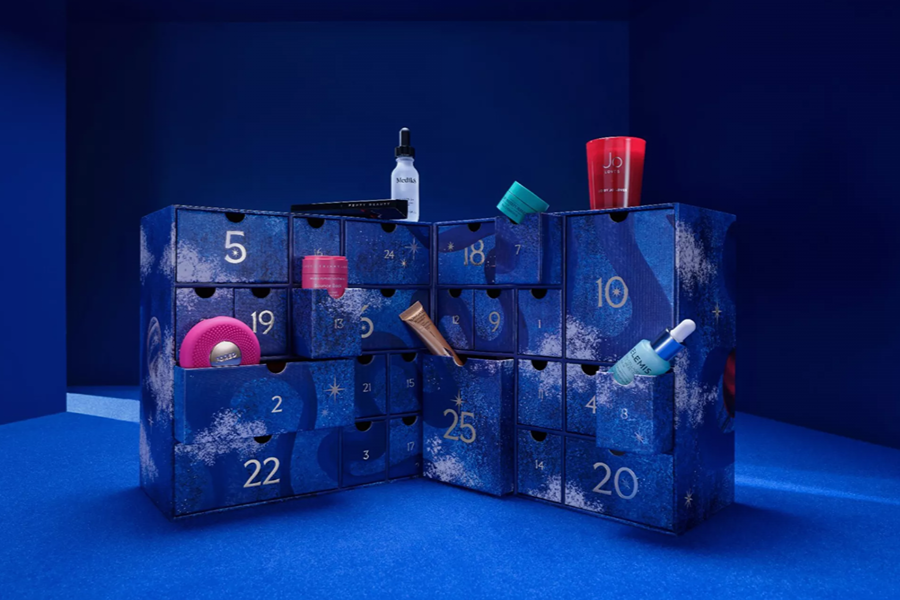
John Lewis’s 2026 beauty edition is its most valuable to date, priced at £250 but worth over £1,160, featuring 41 products including 23 full-size items. Brands such as Trinny London, Fenty Beauty and Elemis are included, alongside beauty tech like Foreo’s UFO mini device.

“Year after year our beauty advent calendars continue to surprise and delight our loyal beauty customers,” says Helen Spencer, director of beauty at John Lewis.
“I’m thrilled once again to offer outstanding value, premium sought-after brands and a diverse range of products that I am confident customers will love.
“Our curated beauty boxes have been particulary popular this year, and I have no doubt our advent calendar will be just as successful.”
Pre-orders for My John Lewis members opened in early August, with shipments beginning from 3 September and general sale opening shortly after.
By encouraging customers to register interest well ahead of launch, John Lewis can build a pipeline of demand, capture data, and create a sense of scarcity before the product is even fully revealed.
Related Story

The operational reality: nearly two years in the making
Behind the early launch lies a complex operational process. From product curation and supplier negotiations; to packaging design and logistics planning – beauty advent calendars require coordination across multiple teams and partners.
JLP buying manager Cydney Ball notes: “In some ways, it’s Christmas every day for us.”
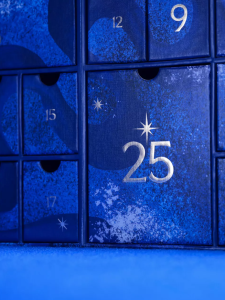
Many of the brands included will have their own production timelines and global distribution constraints, meaning commitments must be locked in well ahead of launch.
The addition of beauty tech and exclusive items further complicates sourcing and fulfilment.
Packaging is another critical component. This year’s calendar features a hand-painted, reusable design, reflecting both the premium positioning of the product and growing consumer expectations around sustainability.
Overlaying all of this is the need to align with peak trading logistics. With deliveries scheduled from early September, John Lewis must ensure that stock is in place well before the traditional Christmas ramp-up begins.
The value of pre-order
The use of My John Lewis membership as a gateway to early access is a key part of the retailer’s strategy. By tying pre-orders to its loyalty ecosystem, John Lewis can incentivise sign-ups, gather customer insights and build deeper relationships with its most engaged shoppers.
This approach also provides greater visibility over demand. Pre-orders allow the retailer to forecast more accurately, reducing the risk of overstocking or missed sales opportunities.
In a category where last year’s calendar sold out within weeks, this level of control is critical. It also enables more targeted marketing, as registered customers can be nurtured with updates, reveals and exclusive content in the lead-up to launch.
Tried and tested
While the advent calendar format is well established (the first traditionally Christmas countdown was first seen in 1851, and Cadbury began commercially producing Chocolate calendars in 1971) retailers continue to put their own spin on this festive tradition.
For John Lewis, this includes the introduction of its first-ever fragrance advent calendar, priced at £99 and worth £305, as well as the integration of beauty tech into the main calendar.
At the same time, the core appeal remains unchanged. These boxes are a curated, high-value selection of products that deliver both discovery and a sense of indulgence. The challenge for retailers is to balance familiarity with novelty, ensuring that each year’s edition feels both recognisable and new.
The early launch of John Lewis’s beauty advent calendar is part of a wider shift in retail towards longer planning cycles and extended selling periods.
What was once a late-autumn category is now firmly embedded in summer trading strategies, with retailers competing to capture consumer attention months before December.
For John Lewis, the decision to open its waitlist during a heatwave is less about seasonality and more about staying ahead in an increasingly competitive market. With 20 months of preparation behind it, the retailer is not just selling a product, but orchestrating a carefully timed campaign designed to maximise demand, engagement and ultimately, sales.
In doing so, it highlights a simple but powerful reality: in modern retail, Christmas starts long before the sun goes down.
Click here to sign up to Retail Gazette‘s free daily email newsletter