
Everything you need to know about Meta’s agentic Muse launch

EcommerceFeature ArticlesTechnology

Meta has launched its AI shopping agent Muse in the UK, with Sainsbury’s, M&S, Argos, Debenhams and a host of other major names signing up to a technology that allows customers to search, compare and buy products without having to browse websites themselves.

The launch today marks a significant development for ecommerce, with some of the country’s biggest businesses opening their online stores to AI agents that can carry out shopping tasks on behalf of customers.

Currys, Asos, JD Sports, Ocado Retail, Lookfantastic and Myprotein are also among the launch partners, alongside travel businesses including easyJet, Jet2 and Trainline.

The development brings so-called agentic commerce into the mainstream UK market, allowing shoppers to hand over much of the process of finding products, checking prices and placing orders to an AI assistant.

Unlike traditional chatbots, which generally answer questions or recommend products, Muse can navigate websites, fill baskets, monitor price changes and complete purchases once a customer has given approval.

The development introduces another way for shoppers to discover and buy products, with Meta positioning its assistant as a service that works across multiple brands rather than being tied to one store.

How Meta’s new shopping agent works

Muse, which first launched in the US in September, allows customers to give their AI assistant tasks using everyday language.

A shopper could ask it to find a television within a particular budget, put together a week’s groceries, compare clothing options or buy Christmas presents for several family members.

The assistant can search participating websites, identify suitable products and present options without the customer having to visit each site individually.

It can also continue working when the app is closed, checking stock availability or monitoring prices and returning when something changes or further approval is needed.

Customers can give their assistant a name, appearance and personality, while choosing which apps and services it can access.

Meta says Muse cannot complete purchases without the shopper’s approval, with customers shown the details before an order goes through.

The technology runs on Muse Spark, developed by Meta Superintelligence Labs, and uses a dedicated cloud-based virtual computer to carry out tasks.

Muse is available free to UK adults aged 18 and over through iOS, Android, WhatsApp and muse.ai, with optional paid subscriptions for greater usage.

Meta plans to bring the service to its AI glasses in the coming months.

Sainsbury’s brings the weekly shop to AI

Sainsbury’s is among the first major UK supermarkets to connect directly with Muse, allowing customers to plan meals, compare offers and build grocery baskets through the assistant.

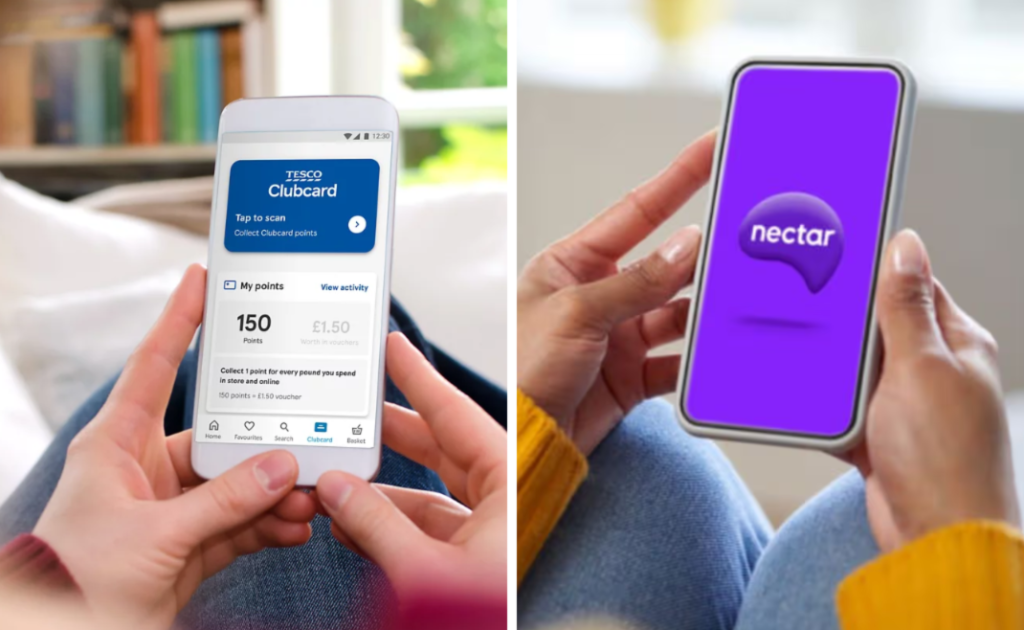
Shoppers can give Muse a weekly budget or meal plan and ask it to find suitable products, taking into account Nectar Prices, Aldi Price Match and other promotions.

The assistant can also suggest recipes based on dietary requirements before adding the ingredients to a basket.

Sainsbury’s chief technology, marketing and data officer Mark Given said the supermarket had chosen to work directly with Meta rather than leave an AI agent to navigate its website independently.

He said: “Rather than leaving an agent to find its own way around our website, we’re working directly with Meta to shape how Muse shops with Sainsbury’s.”

Orders still go through Sainsbury’s existing checkout, with its usual fulfilment and customer service arrangements remaining in place.

The supermarket has also connected its Tu clothing business to Muse, bringing another part of its online offering into the new channel.

The launch follows Sainsbury’s introduction of SmartLists last month, which turns meal ideas and handwritten shopping lists into online baskets.

Argos, Debenhams and other big names join the rollout

Argos has also joined the launch, connecting its catalogue of more than 150,000 products to Muse.

Customers can ask the assistant to compare electrical products, find gifts or put together a shopping list for a particular occasion.

Argos director of technology Adam Everatt said the partnership would offer another way for customers to shop alongside its website, app and stores.

Meanwhile, Debenhams Group is connecting all five of its major brands, Debenhams, Karen Millen, boohoo, boohooMAN and PrettyLittleThing, to the service.

Shoppers can ask Muse to find fashion and beauty products matching their tastes and budgets, with the assistant able to track price changes and availability.

Debenhams Group chief executive Dan Finley said having a personal shopping assistant that understands individual preferences could change how customers discover and buy products.

The launch arrived just a day after Debenhams introduced an AI-powered Christmas gift finder through WhatsApp, which allows customers to search for presents and add them to a shopping basket.

The group has already been working with Meta on AI-driven checkout for US shoppers, making its latest partnership an extension of that relationship.

M&S, Currys, Asos and JD Sports have also signed up, giving Muse access to a wide range of fashion, beauty, electronics and sportswear products.

However, not all connections offer identical capabilities at launch.

Meta says some participating businesses will allow customers to connect personal accounts and access existing shopping information, while others will initially enable Muse to navigate their websites more easily.

Additional integrations and features are expected to follow.

A new sales channel for ecommerce businesses

The scale of the launch is particularly significant given the number of major brands taking part from day one.

Rather than developing individual shopping assistants, businesses can connect with a service that customers use across different websites and categories.

This introduces a new route into the customer journey, from product discovery and comparison through to basket creation and payment.

It also places greater importance on the information AI agents can access, including current prices, product descriptions, stock availability and promotional offers.

As Retail Gazette reported earlier this month, Meta had been preparing to introduce Muse in Britain following its US debut.

However, not every ecommerce business has welcomed the technology.

Amazon blocked Muse from accessing its website in September, citing concerns over unauthorised access and the assistant’s handling of customer information.

Meta disputed those concerns.

The disagreement illustrates a practical issue facing businesses as agentic shopping develops: how to make products accessible through AI services while retaining control over customer accounts, transactions and the shopping experience.

CMA and privacy watchdog raise concerns

The UK’s competition and data protection regulators have already intervened ahead of Muse’s launch.

The Competition and Markets Authority confirmed today that Meta had changed the assistant’s terms and conditions following discussions with the watchdog.

CMA chief executive Sarah Cardell said consumer protection law applies to AI agents in the same way as other products and services.

“We now need to examine carefully how Muse actually works in practice,” she said.

“We will be closely monitoring this and if we have concerns we will not hesitate to act to protect UK consumers.”

The Information Commissioner’s Office has also warned that customers must be able to understand and control how their personal information is being used.

Meta has agreed to a voluntary monitoring and reporting arrangement with the ICO, allowing the regulator to scrutinise the technology as it develops.

The company says users can control which services their assistant connects to and what information it remembers.

Meta also maintains that Muse cannot see passwords or payment card details, and that its conversations are not shared with Meta’s advertising systems.

The safeguards come after reports of glitches during internal testing, including instances where the assistant accessed unexpected information.

Meta said testing had helped identify issues before launch and that fixes had been made.

What happens next for UK ecommerce?

The launch gives some of Britain’s biggest businesses an opportunity to test AI-led shopping with real customers during the Black Friday and Christmas trading period.

However, Meta has not disclosed expected UK transaction volumes, sales forecasts or how much additional revenue its launch partners could generate through Muse.

It is also too early to establish how many British shoppers will trust an AI agent to complete purchases on their behalf.

For participating brands, the coming months will provide an early indication of how customers use the technology, which shopping tasks they are prepared to delegate and how effectively the new channel converts product searches into orders.

With major names across grocery, fashion, electricals and beauty already connected, Meta’s UK launch represents one of the most substantial moves towards agentic commerce in the British market.

Click here to sign up to Retail Gazette‘s free daily email newsletter

EcommerceFeature ArticlesTechnology

Leave a Reply

Your email address will not be published. Required fields are marked *

Fill out this field
Fill out this field
Please enter a valid email address.

EcommerceFeature ArticlesTechnology

Share:

Everything you need to know about Meta’s agentic Muse launch

Meta has launched its AI shopping agent Muse in the UK, with Sainsbury’s, M&S, Argos, Debenhams and a host of other major names signing up to a technology that allows customers to search, compare and buy products without having to browse websites themselves.

The launch today marks a significant development for ecommerce, with some of the country’s biggest businesses opening their online stores to AI agents that can carry out shopping tasks on behalf of customers.

Currys, Asos, JD Sports, Ocado Retail, Lookfantastic and Myprotein are also among the launch partners, alongside travel businesses including easyJet, Jet2 and Trainline.

The development brings so-called agentic commerce into the mainstream UK market, allowing shoppers to hand over much of the process of finding products, checking prices and placing orders to an AI assistant.

Unlike traditional chatbots, which generally answer questions or recommend products, Muse can navigate websites, fill baskets, monitor price changes and complete purchases once a customer has given approval.

The development introduces another way for shoppers to discover and buy products, with Meta positioning its assistant as a service that works across multiple brands rather than being tied to one store.

How Meta’s new shopping agent works

Muse, which first launched in the US in September, allows customers to give their AI assistant tasks using everyday language.

A shopper could ask it to find a television within a particular budget, put together a week’s groceries, compare clothing options or buy Christmas presents for several family members.

The assistant can search participating websites, identify suitable products and present options without the customer having to visit each site individually.

It can also continue working when the app is closed, checking stock availability or monitoring prices and returning when something changes or further approval is needed.

Customers can give their assistant a name, appearance and personality, while choosing which apps and services it can access.

Meta says Muse cannot complete purchases without the shopper’s approval, with customers shown the details before an order goes through.

The technology runs on Muse Spark, developed by Meta Superintelligence Labs, and uses a dedicated cloud-based virtual computer to carry out tasks.

Muse is available free to UK adults aged 18 and over through iOS, Android, WhatsApp and muse.ai, with optional paid subscriptions for greater usage.

Meta plans to bring the service to its AI glasses in the coming months.

Sainsbury’s brings the weekly shop to AI

Sainsbury’s is among the first major UK supermarkets to connect directly with Muse, allowing customers to plan meals, compare offers and build grocery baskets through the assistant.

Shoppers can give Muse a weekly budget or meal plan and ask it to find suitable products, taking into account Nectar Prices, Aldi Price Match and other promotions.

The assistant can also suggest recipes based on dietary requirements before adding the ingredients to a basket.

Sainsbury’s chief technology, marketing and data officer Mark Given said the supermarket had chosen to work directly with Meta rather than leave an AI agent to navigate its website independently.

He said: “Rather than leaving an agent to find its own way around our website, we’re working directly with Meta to shape how Muse shops with Sainsbury’s.”

Orders still go through Sainsbury’s existing checkout, with its usual fulfilment and customer service arrangements remaining in place.

The supermarket has also connected its Tu clothing business to Muse, bringing another part of its online offering into the new channel.

The launch follows Sainsbury’s introduction of SmartLists last month, which turns meal ideas and handwritten shopping lists into online baskets.

Argos, Debenhams and other big names join the rollout

Argos has also joined the launch, connecting its catalogue of more than 150,000 products to Muse.

Customers can ask the assistant to compare electrical products, find gifts or put together a shopping list for a particular occasion.

Argos director of technology Adam Everatt said the partnership would offer another way for customers to shop alongside its website, app and stores.

Meanwhile, Debenhams Group is connecting all five of its major brands, Debenhams, Karen Millen, boohoo, boohooMAN and PrettyLittleThing, to the service.

Shoppers can ask Muse to find fashion and beauty products matching their tastes and budgets, with the assistant able to track price changes and availability.

Debenhams Group chief executive Dan Finley said having a personal shopping assistant that understands individual preferences could change how customers discover and buy products.

The launch arrived just a day after Debenhams introduced an AI-powered Christmas gift finder through WhatsApp, which allows customers to search for presents and add them to a shopping basket.

The group has already been working with Meta on AI-driven checkout for US shoppers, making its latest partnership an extension of that relationship.

M&S, Currys, Asos and JD Sports have also signed up, giving Muse access to a wide range of fashion, beauty, electronics and sportswear products.

However, not all connections offer identical capabilities at launch.

Meta says some participating businesses will allow customers to connect personal accounts and access existing shopping information, while others will initially enable Muse to navigate their websites more easily.

Additional integrations and features are expected to follow.

A new sales channel for ecommerce businesses

The scale of the launch is particularly significant given the number of major brands taking part from day one.

Rather than developing individual shopping assistants, businesses can connect with a service that customers use across different websites and categories.

This introduces a new route into the customer journey, from product discovery and comparison through to basket creation and payment.

It also places greater importance on the information AI agents can access, including current prices, product descriptions, stock availability and promotional offers.

As Retail Gazette reported earlier this month, Meta had been preparing to introduce Muse in Britain following its US debut.

However, not every ecommerce business has welcomed the technology.

Amazon blocked Muse from accessing its website in September, citing concerns over unauthorised access and the assistant’s handling of customer information.

Meta disputed those concerns.

The disagreement illustrates a practical issue facing businesses as agentic shopping develops: how to make products accessible through AI services while retaining control over customer accounts, transactions and the shopping experience.

CMA and privacy watchdog raise concerns

The UK’s competition and data protection regulators have already intervened ahead of Muse’s launch.

The Competition and Markets Authority confirmed today that Meta had changed the assistant’s terms and conditions following discussions with the watchdog.

CMA chief executive Sarah Cardell said consumer protection law applies to AI agents in the same way as other products and services.

“We now need to examine carefully how Muse actually works in practice,” she said.

“We will be closely monitoring this and if we have concerns we will not hesitate to act to protect UK consumers.”

The Information Commissioner’s Office has also warned that customers must be able to understand and control how their personal information is being used.

Meta has agreed to a voluntary monitoring and reporting arrangement with the ICO, allowing the regulator to scrutinise the technology as it develops.

The company says users can control which services their assistant connects to and what information it remembers.

Meta also maintains that Muse cannot see passwords or payment card details, and that its conversations are not shared with Meta’s advertising systems.

The safeguards come after reports of glitches during internal testing, including instances where the assistant accessed unexpected information.

Meta said testing had helped identify issues before launch and that fixes had been made.

What happens next for UK ecommerce?

The launch gives some of Britain’s biggest businesses an opportunity to test AI-led shopping with real customers during the Black Friday and Christmas trading period.

However, Meta has not disclosed expected UK transaction volumes, sales forecasts or how much additional revenue its launch partners could generate through Muse.

It is also too early to establish how many British shoppers will trust an AI agent to complete purchases on their behalf.

For participating brands, the coming months will provide an early indication of how customers use the technology, which shopping tasks they are prepared to delegate and how effectively the new channel converts product searches into orders.

With major names across grocery, fashion, electricals and beauty already connected, Meta’s UK launch represents one of the most substantial moves towards agentic commerce in the British market.

Click here to sign up to Retail Gazette‘s free daily email newsletter
Social


SUBSCRIBE TO OUR DAILY NEWSLETTER

  • This field is for validation purposes and should be left unchanged.
EcommerceFeature ArticlesTechnology

Leave a Reply

Your email address will not be published. Required fields are marked *

Fill out this field
Fill out this field
Please enter a valid email address.

RELATED STORIES

Latest Feature


Menu


Please enter the verification code sent to your email: