

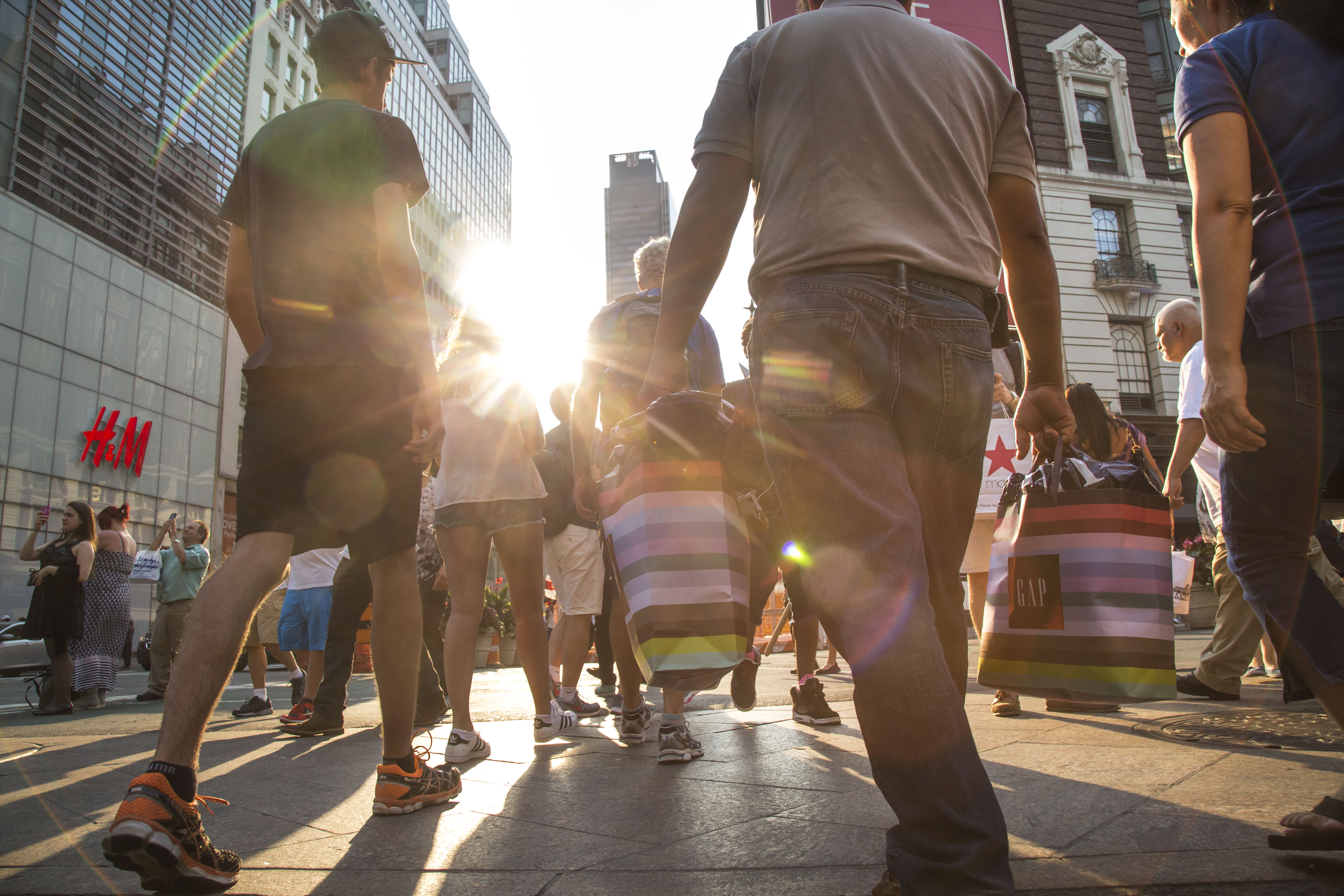
UK consumer confidence improved marginally at the end of the summer, although shoppers remain cautious about the economy and big-ticket spending ahead of the crucial golden quarter.
KPMG UK’s latest Consumer Pulse found 56 per cent of consumers feel financially secure, up one per cent on the previous quarter.
Meanwhile, 55 per cent believe the UK economy is worsening, down from 60 per cent in the previous quarter and 62 per cent at the start of the year. Just 13 per cent said they thought the economy was improving.
Cost pressures remain a key concern, with 78 per cent citing grocery prices, 73 per cent household utilities and 51 per cent the cost of eating and drinking out as reasons for their negative view of the economy.
Among those who believe the economy is worsening, 51 per cent said they were cutting everyday spending as a precaution, down from 55 per cent in the second quarter, while 33 per cent were delaying big-ticket purchases.
Despite the cautious backdrop, consumers continued to spend over the summer.
Some 53 per cent said they had eaten at a restaurant during the past three months, while 45 per cent bought new clothing and 27 per cent purchased footwear. A further 40 per cent ordered a takeaway and 38 per cent went out for an alcoholic drink.
Holidays were the most common big-ticket purchase, cited by 30 per cent of consumers, followed by minor home improvements at 14 per cent and personal technology at 12 per cent. However, 39 per cent said they had made no major purchase at all.
KPMG UK head of consumer, retail and leisure Linda Ellett said: “Healthy levels of summer spending activity were driven by resilient consumer financial confidence, the warm weather, and coincided with marginal improvement regarding perception of the UK economy.”
She added that the final quarter, including Black Friday and Christmas, would be critical for retailers.
“The final quarter of the year, including Black Friday promotional month and Christmas, is key for retailers – who will be hoping to improve further upon the early summer months.
“But macroeconomic challenges, both domestically and globally, remain, as does the impact of an ongoing majority of consumers feeling the UK economy is worsening.”
Ellett said spending on big-ticket items remained subdued because of consumer caution, adding that October’s Budget could prove important in reassuring households over the direction of the economy and cost-of-living pressures.
Looking ahead, 37 per cent of consumers said they were unlikely to spend more over the next three months than in the previous quarter.
Of those expecting to increase spending, 27 per cent said they planned to spend more on dining out, 22 per cent on new clothing and 19 per cent on fast food.
Meanwhile, 42 per cent said they had no plans to make any big-ticket purchases over the period.
The survey also found physical stores remained ahead of online shopping over the summer, with 63 per cent of consumers buying in-store compared with 57 per cent shopping online.
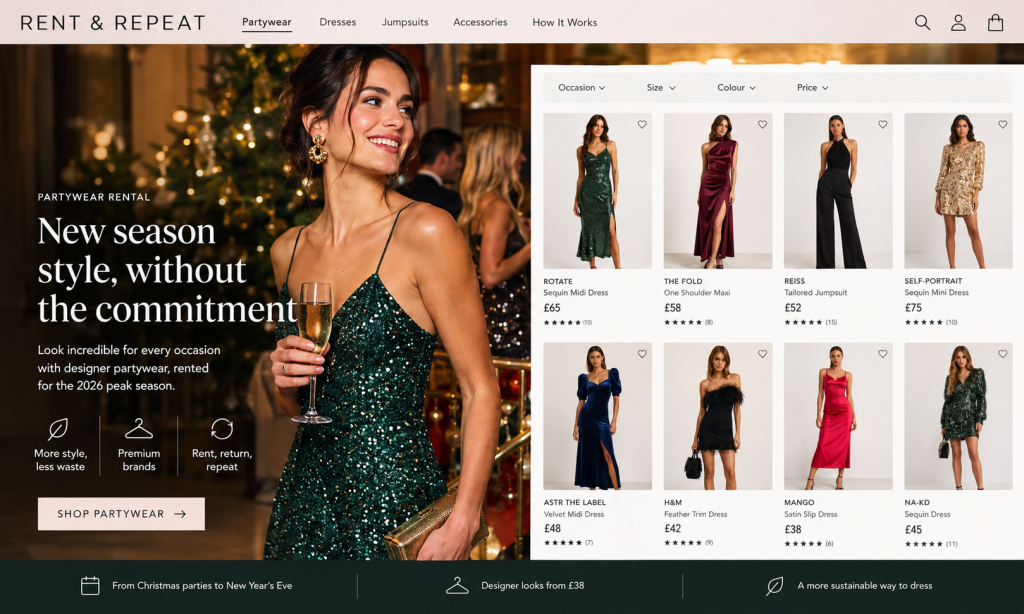
Second-hand fashion continued to gain traction, with 20 per cent buying pre-owned clothing and 18 per cent selling clothing or footwear through resale platforms.
Click here to sign up to Retail Gazette‘s free daily email newsletter