Move over Christmas? Halloween’s growing grip on retail

Discount RetailEntertainmentGeneral RetailInsightResearch

With celebrations stretching across October and younger shoppers spending more on parties, decorations and experiences, is Halloween becoming a major trading period in its own right for UK retailers?

Traditional autumn trading plans have always centred around Christmas and Black Friday, with Halloween providing a smaller seasonal sales opportunity along the way. But that hierarchy may be starting to change.

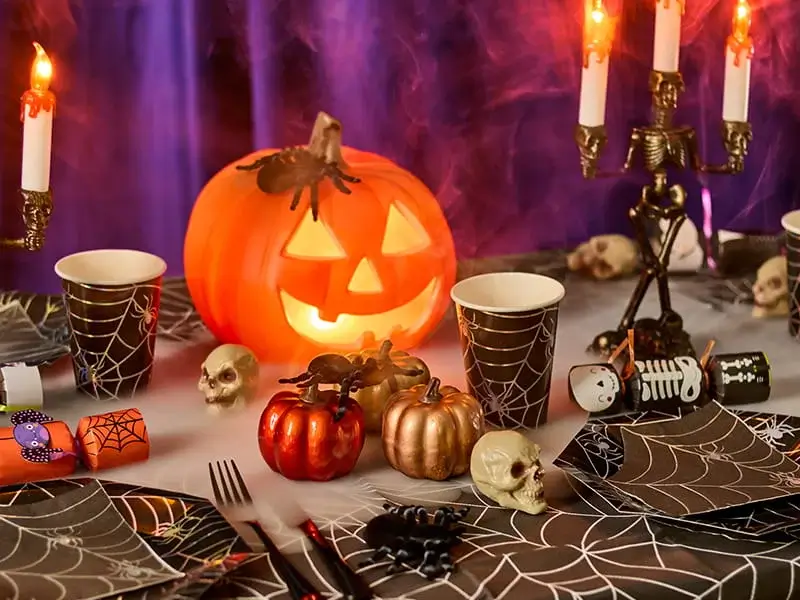
From Halloween trees and elaborate decorations to themed food, beauty products and parties, the occasion is becoming an increasingly important date in the calendar for the industry.

And while Halloween remains a fraction of the size of Christmas, new research suggests that its commercial appeal is growing.

According to the Institute of Grocery Distribution, 36 per cent of shoppers planned to celebrate Halloween in 2026, up from 27 per cent in 2025.

The research also found that the proportion of Halloween celebrators planning to attend a party or event had risen from 25 per cent to 32 per cent, pointing to a shift beyond the traditional family-focused activities of pumpkin carving and trick-or-treating.

The growth is being driven particularly by younger shoppers, with participation now highest among 18 to 24-year-olds.

From one night to a month of spending

Perhaps the clearest indication of Halloween’s changing commercial importance is how early retailers are beginning to capitalise on it.

Halloween merchandise is increasingly appearing alongside autumn homeware and seasonal food ranges weeks before 31 October, while many are offering products designed to be used throughout the month.

Wholesale marketplace Faire has seen the number of Halloween-themed products available on its platform rise by more than 500 per cent over four years, from 425 in 2021 to 2,632 in 2025.

The biggest areas of growth include decorative trees, wreaths and ornaments, suggesting Halloween is borrowing some of the spending habits traditionally associated with Christmas.

Wilko has also identified Halloween trees as one of its biggest decorating trends for 2026, reporting that sales of artificial trees in September were 200 per cent higher than a year earlier.

Meanwhile, arts and crafts retailer Hobbycraft has been promoting homemade seasonal decorations, reflecting growing interest in using Halloween as an opportunity to decorate the home rather than simply dress up for one evening.

The trend has even acquired its own name, ‘Halloweenmas‘, as retailers increasingly sell decorations and accessories that resemble traditional Christmas products.

The growing popularity of Halloween among younger consumers is also changing what retailers can sell.

IGD found that 46 per cent of those celebrating Halloween this year planned to decorate their homes, while 43 per cent intended to buy food and drink for the occasion.

More than half of shoppers surveyed, 51 per cent, said they wanted to try new products or recipes, suggesting there is an appetite for seasonal innovation beyond traditional confectionery.

Social media is playing an increasingly important role, with 34 per cent of celebrators planning to use platforms for food and drink inspiration.

A valuable opportunity for supermarkets and discounters

Despite the growth in more elaborate celebrations, value remains central to Halloween shopping.

IGD’s latest research found that 85 per cent of shoppers buying food and drink for Halloween were likely to purchase items on promotion, while 67 per cent planned their shopping in advance.

Supermarkets and discount retailers are particularly well placed to benefit.

YouGov research published in October 2025 found Tesco was the most popular destination for Halloween products, chosen by 33 per cent of shoppers, followed by Amazon at 28 per cent.

Asda and Sainsbury’s were each selected by 24 per cent, while Aldi and Lidl attracted 20 per cent and 17 per cent respectively.

With more consumers organising parties and gatherings, opportunities extend beyond sweets and pumpkins to sharing snacks, themed food, drinks and products designed for entertaining.

It’s also a chance for retailers to differentiate themselves through limited-edition ranges and seasonal products at a time when shoppers remain sensitive to price.

Is Halloween becoming a new peak?

There are reasons to be cautious about placing Halloween alongside Christmas and Black Friday just yet.

While participation is growing, it remains far from universal.

YouGov’s 2025 research found that 51 per cent of British adults did not celebrate Halloween, while 55 per cent of shoppers spent less than £25 on the occasion.

Despite the increasing visibility of Halloween merchandise throughout September and October, shopping habits also remain heavily concentrated around the event itself.

Some 57 per cent of Halloween celebrators said they started planning just a week beforehand, while only five per cent began preparing two to three months in advance.

That suggests the longer selling season being promoted by retailers hasn’t necessarily translated into a longer shopping period for the majority of consumers.

There’s also a question over how much additional spending Halloween generates, rather than simply bringing forward purchases or diverting money from other parts of household budgets.

Indeed, YouGov found that 81 per cent of adults believed Halloween had become more commercialised over the past decade, while 73 per cent felt there were already enough decorations in shops.

The appetite for ever-larger Halloween ranges may therefore have its limits.

Mintel research has also highlighted sustainability concerns surrounding seasonal spending, finding that 69 per cent of shoppers believed events such as Halloween generated too much waste.

While Halloween is unlikely to rival Christmas in overall spending, the growth in participation and the wider range of products shoppers are buying suggest it is developing into a more substantial commercial event.

For some retailers, particularly supermarkets, discounters, homeware chains and beauty businesses, it already offers an opportunity to generate sales across several categories rather than relying on a single seasonal product range.

And with Halloween falling on a Saturday this year, retailers have an additional opportunity to capitalise on parties and social gatherings over the final weekend of October.

The question is whether this year’s increased activity will translate into meaningful additional sales, or whether retailers are simply devoting more space and marketing to an occasion where most shoppers still spend relatively little.

For now, Halloween may not have the spending power of Christmas or Black Friday. But it is becoming harder for retailers to treat it as a minor event in the run-up to the festive season.

Image credit – Card Factory

Click here to sign up to Retail Gazette‘s free daily email newsletter

Discount RetailEntertainmentGeneral RetailInsightResearch

Leave a Reply

Your email address will not be published. Required fields are marked *

Fill out this field
Fill out this field
Please enter a valid email address.

Move over Christmas? Halloween’s growing grip on retail

With celebrations stretching across October and younger shoppers spending more on parties, decorations and experiences, is Halloween becoming a major trading period in its own right for UK retailers?

Traditional autumn trading plans have always centred around Christmas and Black Friday, with Halloween providing a smaller seasonal sales opportunity along the way. But that hierarchy may be starting to change.

From Halloween trees and elaborate decorations to themed food, beauty products and parties, the occasion is becoming an increasingly important date in the calendar for the industry.

And while Halloween remains a fraction of the size of Christmas, new research suggests that its commercial appeal is growing.

According to the Institute of Grocery Distribution, 36 per cent of shoppers planned to celebrate Halloween in 2026, up from 27 per cent in 2025.

The research also found that the proportion of Halloween celebrators planning to attend a party or event had risen from 25 per cent to 32 per cent, pointing to a shift beyond the traditional family-focused activities of pumpkin carving and trick-or-treating.

The growth is being driven particularly by younger shoppers, with participation now highest among 18 to 24-year-olds.

From one night to a month of spending

Perhaps the clearest indication of Halloween’s changing commercial importance is how early retailers are beginning to capitalise on it.

Halloween merchandise is increasingly appearing alongside autumn homeware and seasonal food ranges weeks before 31 October, while many are offering products designed to be used throughout the month.

Wholesale marketplace Faire has seen the number of Halloween-themed products available on its platform rise by more than 500 per cent over four years, from 425 in 2021 to 2,632 in 2025.

The biggest areas of growth include decorative trees, wreaths and ornaments, suggesting Halloween is borrowing some of the spending habits traditionally associated with Christmas.

Wilko has also identified Halloween trees as one of its biggest decorating trends for 2026, reporting that sales of artificial trees in September were 200 per cent higher than a year earlier.

Meanwhile, arts and crafts retailer Hobbycraft has been promoting homemade seasonal decorations, reflecting growing interest in using Halloween as an opportunity to decorate the home rather than simply dress up for one evening.

The trend has even acquired its own name, ‘Halloweenmas‘, as retailers increasingly sell decorations and accessories that resemble traditional Christmas products.

The growing popularity of Halloween among younger consumers is also changing what retailers can sell.

IGD found that 46 per cent of those celebrating Halloween this year planned to decorate their homes, while 43 per cent intended to buy food and drink for the occasion.

More than half of shoppers surveyed, 51 per cent, said they wanted to try new products or recipes, suggesting there is an appetite for seasonal innovation beyond traditional confectionery.

Social media is playing an increasingly important role, with 34 per cent of celebrators planning to use platforms for food and drink inspiration.

A valuable opportunity for supermarkets and discounters

Despite the growth in more elaborate celebrations, value remains central to Halloween shopping.

IGD’s latest research found that 85 per cent of shoppers buying food and drink for Halloween were likely to purchase items on promotion, while 67 per cent planned their shopping in advance.

Supermarkets and discount retailers are particularly well placed to benefit.

YouGov research published in October 2025 found Tesco was the most popular destination for Halloween products, chosen by 33 per cent of shoppers, followed by Amazon at 28 per cent.

Asda and Sainsbury’s were each selected by 24 per cent, while Aldi and Lidl attracted 20 per cent and 17 per cent respectively.

With more consumers organising parties and gatherings, opportunities extend beyond sweets and pumpkins to sharing snacks, themed food, drinks and products designed for entertaining.

It’s also a chance for retailers to differentiate themselves through limited-edition ranges and seasonal products at a time when shoppers remain sensitive to price.

Is Halloween becoming a new peak?

There are reasons to be cautious about placing Halloween alongside Christmas and Black Friday just yet.

While participation is growing, it remains far from universal.

YouGov’s 2025 research found that 51 per cent of British adults did not celebrate Halloween, while 55 per cent of shoppers spent less than £25 on the occasion.

Despite the increasing visibility of Halloween merchandise throughout September and October, shopping habits also remain heavily concentrated around the event itself.

Some 57 per cent of Halloween celebrators said they started planning just a week beforehand, while only five per cent began preparing two to three months in advance.

That suggests the longer selling season being promoted by retailers hasn’t necessarily translated into a longer shopping period for the majority of consumers.

There’s also a question over how much additional spending Halloween generates, rather than simply bringing forward purchases or diverting money from other parts of household budgets.

Indeed, YouGov found that 81 per cent of adults believed Halloween had become more commercialised over the past decade, while 73 per cent felt there were already enough decorations in shops.

The appetite for ever-larger Halloween ranges may therefore have its limits.

Mintel research has also highlighted sustainability concerns surrounding seasonal spending, finding that 69 per cent of shoppers believed events such as Halloween generated too much waste.

While Halloween is unlikely to rival Christmas in overall spending, the growth in participation and the wider range of products shoppers are buying suggest it is developing into a more substantial commercial event.

For some retailers, particularly supermarkets, discounters, homeware chains and beauty businesses, it already offers an opportunity to generate sales across several categories rather than relying on a single seasonal product range.

And with Halloween falling on a Saturday this year, retailers have an additional opportunity to capitalise on parties and social gatherings over the final weekend of October.

The question is whether this year’s increased activity will translate into meaningful additional sales, or whether retailers are simply devoting more space and marketing to an occasion where most shoppers still spend relatively little.

For now, Halloween may not have the spending power of Christmas or Black Friday. But it is becoming harder for retailers to treat it as a minor event in the run-up to the festive season.

Image credit – Card Factory

Click here to sign up to Retail Gazette‘s free daily email newsletter

Social


SUBSCRIBE TO OUR DAILY NEWSLETTER

  • This field is for validation purposes and should be left unchanged.
Discount RetailEntertainmentGeneral RetailInsightResearch

Leave a Reply

Your email address will not be published. Required fields are marked *

Fill out this field
Fill out this field
Please enter a valid email address.

RELATED STORIES

Latest Feature


Menu


Please enter the verification code sent to your email: