

Christmas shoppers are increasingly turning to cheaper alternatives to luxury products, with the likes of Aldi, Zara and Marks & Spencer capitalising on the growing demand for so-called ‘dupes’.
New research from YPulse found that 44 per cent of UK consumers aged 13 to 39 have purchased a dupe in the past year, while 53 per cent said the quality of cheaper alternatives made them less likely to buy the original luxury product.
The trend, which has been fuelled by social media platforms including TikTok, is becoming increasingly mainstream as shoppers look to stretch their Christmas budgets without compromising on style.
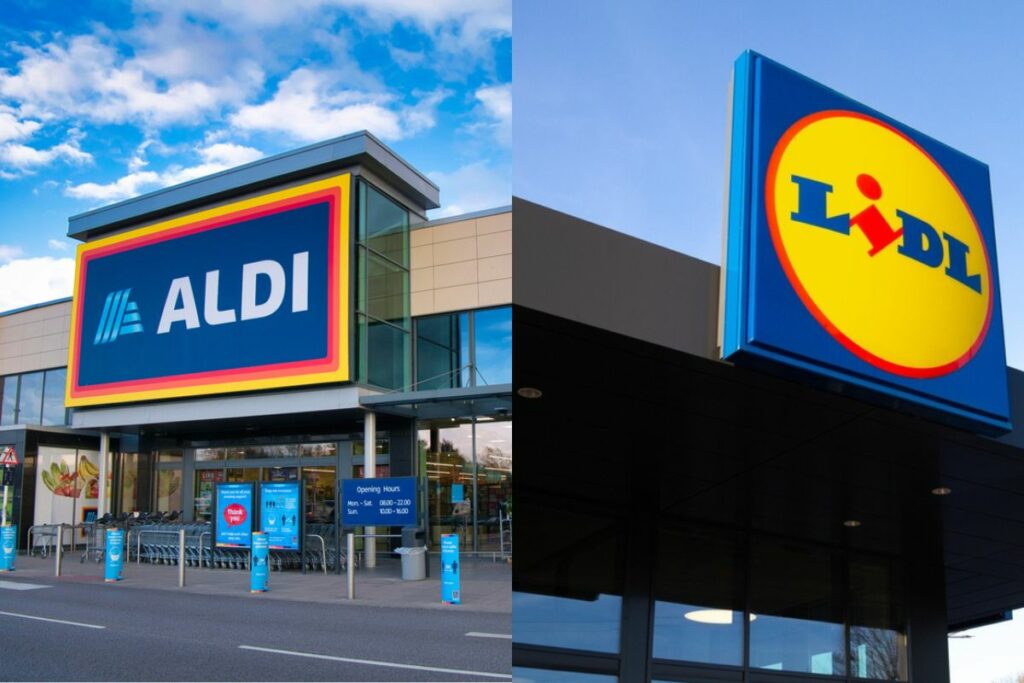
Aldi is among those benefiting from the shift, with its £24.99 XXL Inclusion Candle seemingly created as a popular alternative to The White Company’s £95 Winter Indulgence candle.
Meanwhile, Zara’s £15.99 Violet Blossom fragrance has been promoted by TikTok users as a cheaper alternative to Mugler’s Alien perfume, which costs almost £130.
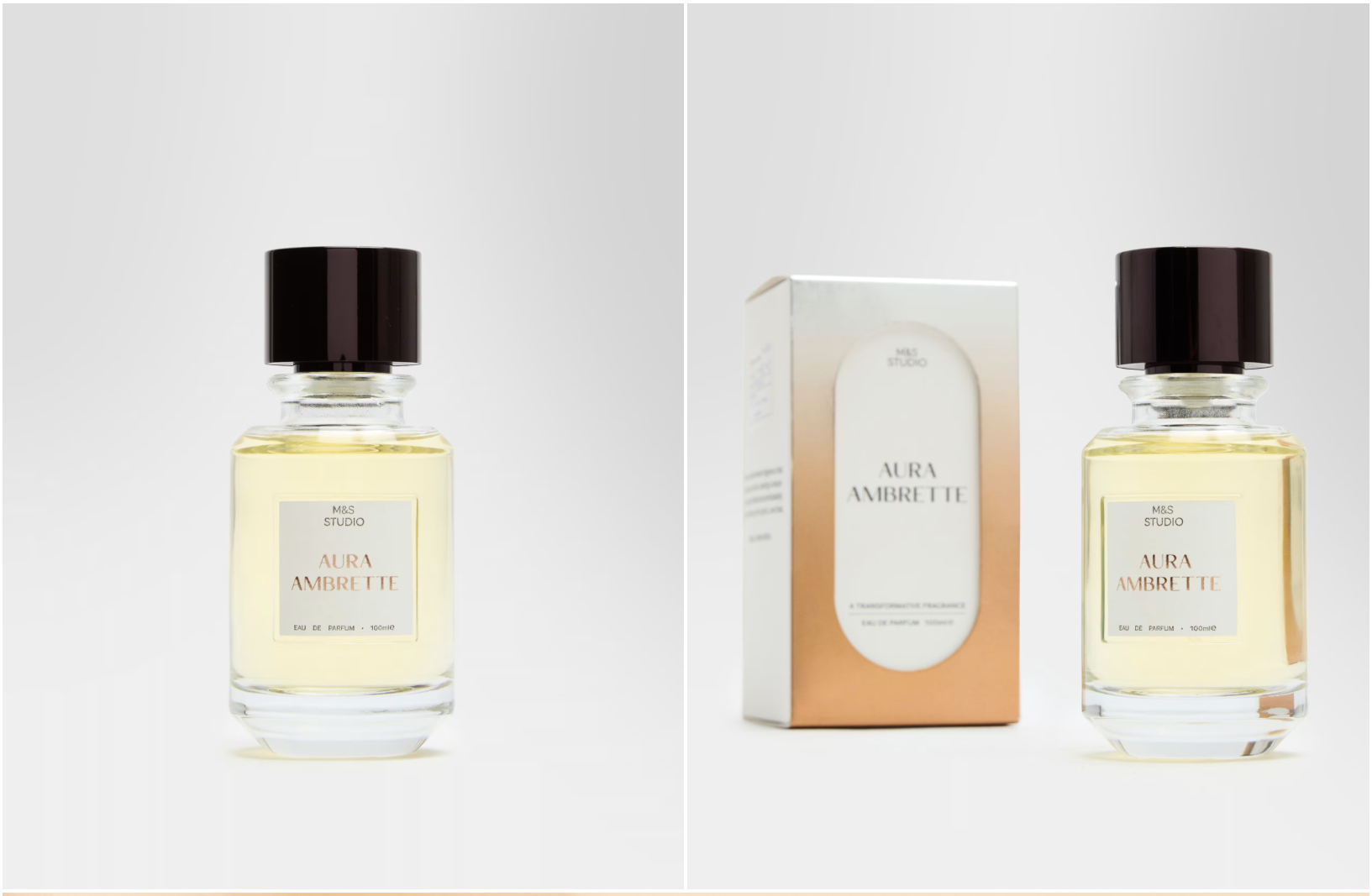
Marks & Spencer has also attracted attention for its £22.50 Aura Ambrette fragrance, which shoppers have compared to Le Labo’s premium Another 13 scent.
The growing appetite for affordable luxury has also prompted international retailers to enter the UK market.
US retailer Quince, which launched in Britain last month, offers cashmere jumpers for £50 alongside price comparisons with premium brands including Cos and Reiss, where similar products can cost three times as much.
The company, valued at more than $10bn, has built its business around offering luxury-inspired products at significantly lower prices by sourcing directly from manufacturers.
According to NielsenIQ, 38 per cent of UK consumers have switched to lower-priced brands over the past year to manage household spending.
The research firm also found that the number of consumers buying dupe fragrances online has increased 17 per cent year on year, outpacing growth in the wider market.
While the trend has largely been associated with Gen Z, NielsenIQ said millennials now account for the biggest share of dupe sales.
However, the boom is creating challenges for luxury retailers, which must increasingly justify their higher prices as cheaper competitors gain traction.
Beauty entrepreneur Charlotte Tilbury previously criticised the practice, arguing that imitation products do not necessarily offer the same performance as their premium counterparts.
The brand successfully brought a copyright case against Aldi in 2019 over the design of its Filmstar Bronze & Glow palette.
Despite the popularity of dupes, research from Savvy Marketing suggests shoppers are not abandoning premium products entirely, with nearly 80 per cent still prepared to spend more on occasional luxuries where they believe the quality justifies the price.
Click here to sign up to Retail Gazette‘s free daily email newsletter