Uniqlo’s UK expansion: how the Japanese fashion giant is building a nationwide presence

Uniqlo
FashionFeature ArticlesIn-StoreInsight

Uniqlo is stepping up its UK expansion, with its first store in Wales scheduled for autumn 2027, the Japanese fashion retailer is looking to take its LifeWear proposition to more shoppers across the country.

The retailer will open a two-floor store spanning approximately 940 sq m at Cardiff’s St David’s shopping centre. It will stock womenswear, menswear, childrenswear and baby clothing, marking another milestone in the brand’s UK growth.

Cardiff is one of five new locations planned for 2027, alongside Bath, Brighton, Leeds and Canary Wharf in London. The openings will take Uniqlo into new regional markets while strengthening its presence in established retail destinations.

The expansion follows a period of accelerated investment in the UK, with the retailer opening its first stores in Bristol and Cambridge in 2026, alongside a second Manchester location at the Trafford Centre.

Having arrived in the UK 25 years ago, Uniqlo currently operates 26 stores across the UK, according to parent company Fast Retailing, as of 31 October 2026.

From London launch to nationwide ambitions

Uniqlo used the UK capital as it launchpad with four locations in and around London marking its debut outside Japan.

However, its initial expansion proved overly ambitious. The retailer rapidly grew its UK estate to 21 stores within two years, before withdrawing from most locations in 2003 following mounting losses.

The business subsequently adopted a more measured approach, rebuilding its presence around larger stores and a stronger brand proposition.

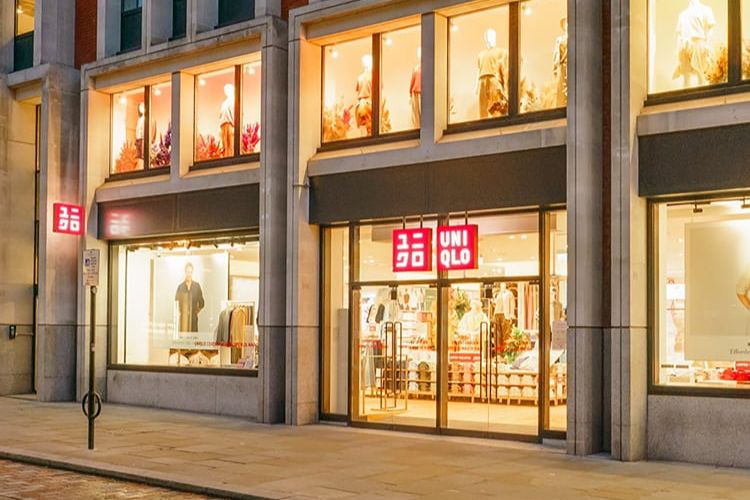
London remained central to its strategy, with the opening of its global flagship on Oxford Street in 2007 establishing a platform for the brand.

Since then, Uniqlo has gradually expanded beyond the capital, entering major regional cities including Manchester, Edinburgh, Liverpool, Glasgow and Birmingham.

Its latest investment signals a further shift towards regional growth.

In April 2026, the retailer opened its first South West store at Bristol’s Cabot Circus, spanning two floors and offering its LifeWear collections across womenswear, menswear and childrenswear.

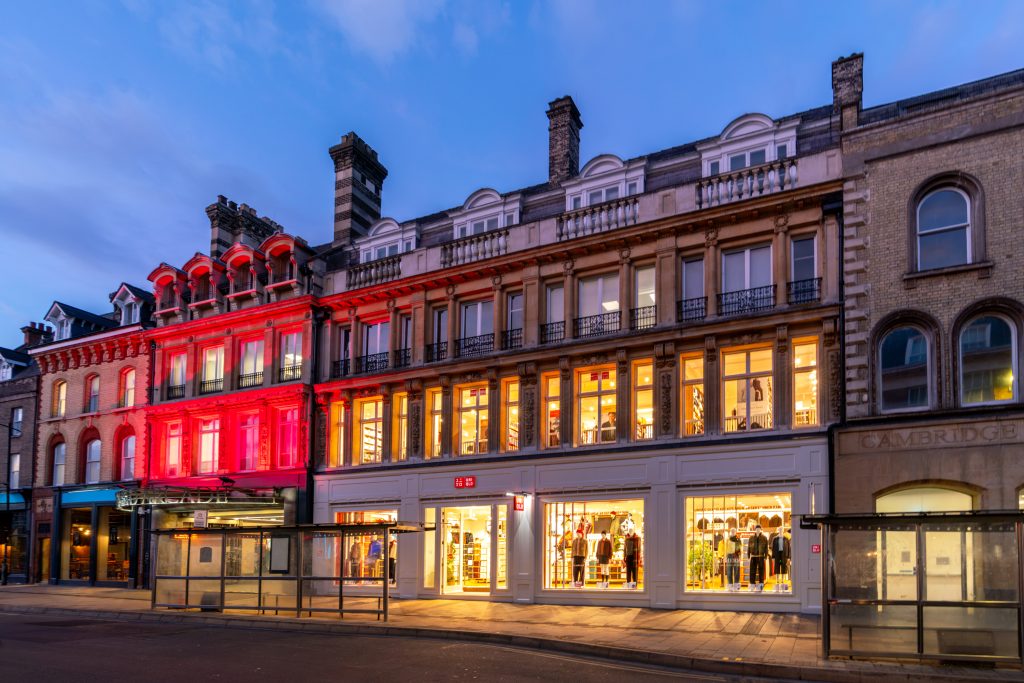
This was followed by its Cambridge debut in September, with a 9,472 sq ft store at Grand Arcade.

October saw another major opening at Manchester’s Trafford Centre. At approximately 24,000 sq ft, the store is significantly larger than its existing Market Street location, making Manchester the first UK city outside London to have two Uniqlo stores.

The expansion is not limited to opening new locations. Uniqlo also reopened its enlarged Covent Garden store earlier in 2026, increasing its footprint by 30 per cent to approximately 18,300 sq ft.

The investment demonstrates the retailer’s willingness to commit to larger retail spaces, as it looks to showcase more of its product range and improve the customer experience.

Why regional cities matter

Uniqlo’s next phase of expansion will take it into several markets where it has previously relied on online sales to reach customers.

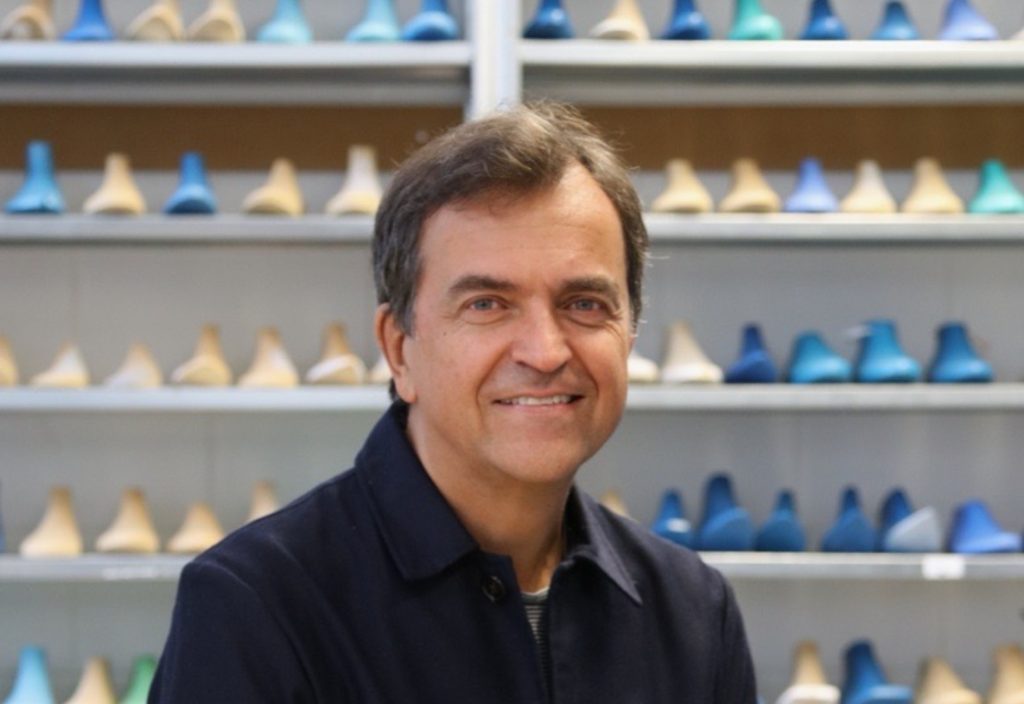
The planned Cardiff opening is “another important step in Uniqlo’s UK expansion”, according to chief operating officer Alessandro Dudech.

He stressed the retailer had already established a base of Welsh customers shopping online. The retailer believes its presence at St David’s will make its offering more accessible to customers across Wales, while giving shoppers the opportunity to experience its products in person.

There is a similar rationale behind its planned openings in Bath, Brighton and Leeds.

Each represents an opportunity to establish the brand in a new regional market, rather than simply adding further stores to its existing London-heavy estate.

Dudech has previously described the locations selected for expansion as vibrant retail destinations with strong local communities and long-term growth potential.

Speaking to Retail Gazette following the opening of its 25th UK store in Cambridge, he said: “Our ambition is to make LifeWear more accessible to customers across the UK by investing in both major cities and thriving regional locations, bringing the Uniqlo experience closer to where people live, work and shop.”

The approach also reflects the importance of physical retail in building awareness of a brand whose proposition centres on everyday wardrobe essentials rather than seasonal fashion trends.


The LifeWear proposition

At the heart of Uniqlo’s growth strategy is LifeWear, its philosophy of creating high-quality, functional clothing designed to improve everyday life.

Rather than competing solely on seasonal trends, the retailer focuses on versatile wardrobe staples, with an emphasis on fabric innovation, practicality and affordability.

Its collections include products such as HEATTECH thermal clothing, AIRism garments and lightweight outerwear, alongside everyday basics including T-shirts, knitwear and denim.

This positioning gives Uniqlo a distinctive place in the UK fashion market, sitting between traditional value retailers and more premium casualwear brands.

Its offer also allows it to appeal to a broad customer base, spanning different generations and demographics.

The retailer has increasingly used its physical stores to communicate this proposition, combining product displays with services and experiences that encourage shoppers to spend time in-store.

Its Cambridge opening, for example, included collaborations with the University of Cambridge and local illustrator Lele Saa, with exclusive designs celebrating the city’s identity.

Dudech said stores were about “much more than retail space”, describing them as places where the business could connect directly with customers and contribute to local communities.

This emphasis on local relevance is likely to become increasingly important as Uniqlo enters new UK markets.

International growth provides further momentum

The UK expansion is taking place against a backdrop of strong international performance for Uniqlo’s parent company, Fast Retailing.

For the year ended 31 August 2026, the Japanese group reported revenue of ¥3.96trn (£18.7bn), up 16.6 per cent year on year, while business profit increased 30.4 per cent to ¥718.4bn.

Uniqlo International was a major contributor, reporting revenue growth of 26.2 per cent to ¥2.41trn and business profit growth of 44.1 per cent.

The group attributed its performance partly to opening high-quality stores that effectively communicate the value of LifeWear, alongside closer coordination between products, store displays and customer communications.

Europe has become an increasingly important part of this international growth story, with Fast Retailing reporting double-digit revenue and profit growth across the region.

The company’s wider ambitions are substantial. Founder and chief executive Tadashi Yanai has set out an ambition to grow Fast Retailing into a ¥10trn business, placing further importance on international markets.

Therefore, expanding its physical presence in the UK provides an opportunity to build brand recognition, attract new customers and strengthen the relationship between its online and store operations.

What next for Uniqlo in the UK?

With 26 stores already operating and five further openings planned for 2027, Uniqlo is entering a new phase of its UK growth strategy.

Its expansion into Cardiff, Bath, Brighton and Leeds will extend its geographical reach, while the Canary Wharf opening will strengthen its London presence.

The challenge will be ensuring that each new store delivers sustainable performance in an increasingly competitive fashion market.

Its earlier UK experience offers a reminder that rapid expansion does not necessarily translate into long-term success. The retailer’s more considered approach in recent years, prioritising established shopping destinations and larger-format stores, suggests it is keen to avoid repeating those mistakes.

For now, the focus is on making LifeWear accessible to more UK consumers. As Dudech has made clear, reaching 25 stores is not a finishing line but another step in the retailer’s longer-term growth journey.

With more regional markets still to explore, Uniqlo’s UK expansion looks far from over.

Click here to sign up to Retail Gazette‘s free daily email newsletter

FashionFeature ArticlesIn-StoreInsight

Leave a Reply

Your email address will not be published. Required fields are marked *

Fill out this field
Fill out this field
Please enter a valid email address.

FashionFeature ArticlesIn-StoreInsight

Share:

Uniqlo’s UK expansion: how the Japanese fashion giant is building a nationwide presence

Uniqlo

Uniqlo is stepping up its UK expansion, with its first store in Wales scheduled for autumn 2027, the Japanese fashion retailer is looking to take its LifeWear proposition to more shoppers across the country.

The retailer will open a two-floor store spanning approximately 940 sq m at Cardiff’s St David’s shopping centre. It will stock womenswear, menswear, childrenswear and baby clothing, marking another milestone in the brand’s UK growth.

Cardiff is one of five new locations planned for 2027, alongside Bath, Brighton, Leeds and Canary Wharf in London. The openings will take Uniqlo into new regional markets while strengthening its presence in established retail destinations.

The expansion follows a period of accelerated investment in the UK, with the retailer opening its first stores in Bristol and Cambridge in 2026, alongside a second Manchester location at the Trafford Centre.

Having arrived in the UK 25 years ago, Uniqlo currently operates 26 stores across the UK, according to parent company Fast Retailing, as of 31 October 2026.

From London launch to nationwide ambitions

Uniqlo used the UK capital as it launchpad with four locations in and around London marking its debut outside Japan.

However, its initial expansion proved overly ambitious. The retailer rapidly grew its UK estate to 21 stores within two years, before withdrawing from most locations in 2003 following mounting losses.

The business subsequently adopted a more measured approach, rebuilding its presence around larger stores and a stronger brand proposition.

London remained central to its strategy, with the opening of its global flagship on Oxford Street in 2007 establishing a platform for the brand.

Since then, Uniqlo has gradually expanded beyond the capital, entering major regional cities including Manchester, Edinburgh, Liverpool, Glasgow and Birmingham.

Its latest investment signals a further shift towards regional growth.

In April 2026, the retailer opened its first South West store at Bristol’s Cabot Circus, spanning two floors and offering its LifeWear collections across womenswear, menswear and childrenswear.

This was followed by its Cambridge debut in September, with a 9,472 sq ft store at Grand Arcade.

October saw another major opening at Manchester’s Trafford Centre. At approximately 24,000 sq ft, the store is significantly larger than its existing Market Street location, making Manchester the first UK city outside London to have two Uniqlo stores.

The expansion is not limited to opening new locations. Uniqlo also reopened its enlarged Covent Garden store earlier in 2026, increasing its footprint by 30 per cent to approximately 18,300 sq ft.

The investment demonstrates the retailer’s willingness to commit to larger retail spaces, as it looks to showcase more of its product range and improve the customer experience.

Why regional cities matter

Uniqlo’s next phase of expansion will take it into several markets where it has previously relied on online sales to reach customers.

The planned Cardiff opening is “another important step in Uniqlo’s UK expansion”, according to chief operating officer Alessandro Dudech.

He stressed the retailer had already established a base of Welsh customers shopping online. The retailer believes its presence at St David’s will make its offering more accessible to customers across Wales, while giving shoppers the opportunity to experience its products in person.

There is a similar rationale behind its planned openings in Bath, Brighton and Leeds.

Each represents an opportunity to establish the brand in a new regional market, rather than simply adding further stores to its existing London-heavy estate.

Dudech has previously described the locations selected for expansion as vibrant retail destinations with strong local communities and long-term growth potential.

Speaking to Retail Gazette following the opening of its 25th UK store in Cambridge, he said: “Our ambition is to make LifeWear more accessible to customers across the UK by investing in both major cities and thriving regional locations, bringing the Uniqlo experience closer to where people live, work and shop.”

The approach also reflects the importance of physical retail in building awareness of a brand whose proposition centres on everyday wardrobe essentials rather than seasonal fashion trends.


The LifeWear proposition

At the heart of Uniqlo’s growth strategy is LifeWear, its philosophy of creating high-quality, functional clothing designed to improve everyday life.

Rather than competing solely on seasonal trends, the retailer focuses on versatile wardrobe staples, with an emphasis on fabric innovation, practicality and affordability.

Its collections include products such as HEATTECH thermal clothing, AIRism garments and lightweight outerwear, alongside everyday basics including T-shirts, knitwear and denim.

This positioning gives Uniqlo a distinctive place in the UK fashion market, sitting between traditional value retailers and more premium casualwear brands.

Its offer also allows it to appeal to a broad customer base, spanning different generations and demographics.

The retailer has increasingly used its physical stores to communicate this proposition, combining product displays with services and experiences that encourage shoppers to spend time in-store.

Its Cambridge opening, for example, included collaborations with the University of Cambridge and local illustrator Lele Saa, with exclusive designs celebrating the city’s identity.

Dudech said stores were about “much more than retail space”, describing them as places where the business could connect directly with customers and contribute to local communities.

This emphasis on local relevance is likely to become increasingly important as Uniqlo enters new UK markets.

International growth provides further momentum

The UK expansion is taking place against a backdrop of strong international performance for Uniqlo’s parent company, Fast Retailing.

For the year ended 31 August 2026, the Japanese group reported revenue of ¥3.96trn (£18.7bn), up 16.6 per cent year on year, while business profit increased 30.4 per cent to ¥718.4bn.

Uniqlo International was a major contributor, reporting revenue growth of 26.2 per cent to ¥2.41trn and business profit growth of 44.1 per cent.

The group attributed its performance partly to opening high-quality stores that effectively communicate the value of LifeWear, alongside closer coordination between products, store displays and customer communications.

Europe has become an increasingly important part of this international growth story, with Fast Retailing reporting double-digit revenue and profit growth across the region.

The company’s wider ambitions are substantial. Founder and chief executive Tadashi Yanai has set out an ambition to grow Fast Retailing into a ¥10trn business, placing further importance on international markets.

Therefore, expanding its physical presence in the UK provides an opportunity to build brand recognition, attract new customers and strengthen the relationship between its online and store operations.

What next for Uniqlo in the UK?

With 26 stores already operating and five further openings planned for 2027, Uniqlo is entering a new phase of its UK growth strategy.

Its expansion into Cardiff, Bath, Brighton and Leeds will extend its geographical reach, while the Canary Wharf opening will strengthen its London presence.

The challenge will be ensuring that each new store delivers sustainable performance in an increasingly competitive fashion market.

Its earlier UK experience offers a reminder that rapid expansion does not necessarily translate into long-term success. The retailer’s more considered approach in recent years, prioritising established shopping destinations and larger-format stores, suggests it is keen to avoid repeating those mistakes.

For now, the focus is on making LifeWear accessible to more UK consumers. As Dudech has made clear, reaching 25 stores is not a finishing line but another step in the retailer’s longer-term growth journey.

With more regional markets still to explore, Uniqlo’s UK expansion looks far from over.

Click here to sign up to Retail Gazette‘s free daily email newsletter
Social


SUBSCRIBE TO OUR DAILY NEWSLETTER

  • This field is for validation purposes and should be left unchanged.
FashionFeature ArticlesIn-StoreInsight

Leave a Reply

Your email address will not be published. Required fields are marked *

Fill out this field
Fill out this field
Please enter a valid email address.

RELATED STORIES

Latest Feature


Menu

What’s working in UK stores right now

Read by Store Directors, Head of Retail, and Operations Managers across UK retail.

In-Store Weekly NL Form

  • This field is for validation purposes and should be left unchanged.


Please enter the verification code sent to your email: