
Why Henkel Adhesives Technologies wants to reach the DIY shopper before they enter the store

Feature ArticlesResourcesSponsored

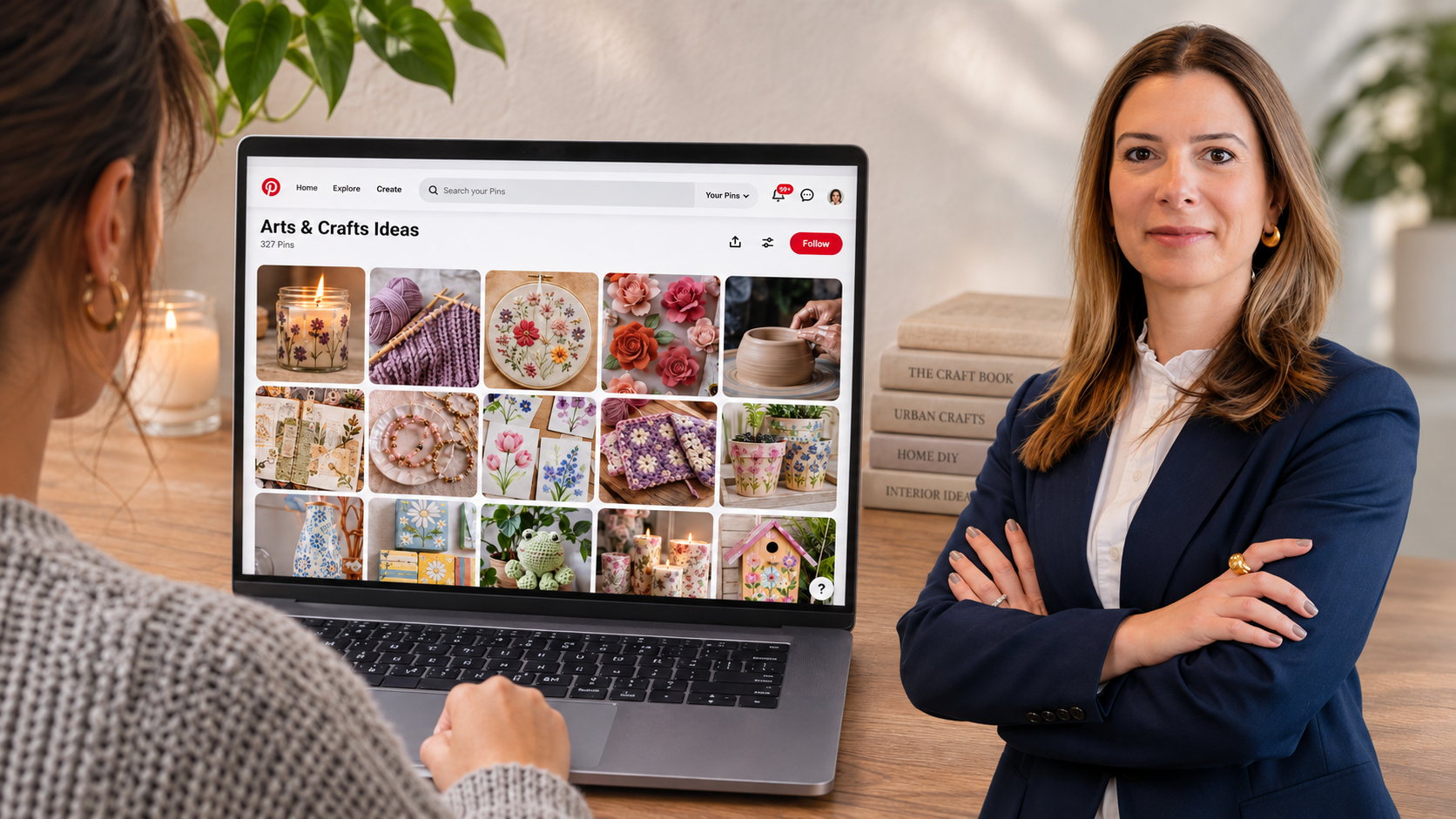
The next home improvement purchase may begin with a Pinterest board, not a trip to the DIY aisle. Lisa Nassif tells Retail Gazette why manufacturers and retailers need to take the whole project seriously, not just the product that ends up in the basket…

A shopper today may well arrive at a DIY store armed with a photograph of the bathroom they want, and an Instagram tutorial showing how to do it. They may have chosen the product before even picking up a basket or feel empowered to take on a project once ringfenced as a specialist’s job, purely due to a social video.

For Henkel’s Lisa Nassif, this is the new reality of home improvement shopping. A project may well begin on the likes of Pinterest, progress through how-to videos and product comparisons, then end with a stock check at a nearby store.

Nassif, Henkel’s head of consumer & construction, UK and Ireland, says online inspiration is changing the questions customers ask and the advice they expect.

“It has transformed the customer journey,” she says. “Inspiration increasingly comes from social platforms, where people discover ideas, save projects and follow creators whose homes, styles and DIY skills they admire.”

She doesn’t believe that makes stores or traditional advertising irrelevant. In fact, far from it. What’s it’s done is augmented a very traditional shopping journey from discovery to purchase.

“I wouldn’t say social media has replaced stores or traditional advertising. What has changed is the sequence.”

The implication is easy to miss if retailers only look at where the final transaction happens. A sale recorded at the till might have been influenced by a creator’s video days earlier, while a digital campaign may have done its job by sending somebody to a store. Each encounter, of course, counts.

Selling the project, not the tube (replace with: Selling the solution, not the cartridge)

The power of social media and sites like Pinterest on the DIY space have been colossal, especially when the product itself isn’t traditionally glamorous. People can spend hours looking at kitchen makeovers. Few dream about the adhesive that will hold a shelf in place, but the latter facilitates the former and nowhere is this evidenced more effectively.

“People don’t usually set out looking for an adhesive or sealant; they’re looking for a beautifully renovated room, a repaired item or a successful DIY project,” Nassif says.

For manufacturers, it means beginning with the job the customer wants to do and the problem they want to solve, rather than the product they might buy.

Henkel’s UniBond, Loctite and Pritt brands serve different needs, but Nassif sees a shared task, which is helping people choose and use the right product.

“Through our UniBond, Loctite and Pritt brands, we aim to guide consumers from idea to completion, helping them understand which products they need, how to use them and how to achieve the best possible result.”

A renovation video may spark the idea, but it won’t necessarily explain which sealant suits the job or how to apply it. That guidance is vital, particularly to first-time DIYers.

Products usually overlooked can also show their worth. Nobody posts a newly decorated room to celebrate the fixings. But if a shelf falls down, the materials suddenly become far more interesting. Giving people confidence in products and avoid that outcome is persuasive in its own right.

The shopper arrives informed, and impatient

The consequence is a customer who has done much of their research before walking through the door.

Google’s omnichannel research similarly finds shoppers mixing online and offline activity, with stock information helping them plan store visits.

Nassif argues that consumers now expect the information to match up wherever they find it. They also expect the instore navigation and shelf to be a smooth experience in finding what they are looking for.

“If they discover a product online, they want to know immediately where to buy it, whether it’s available locally, how it should be used and what results they can expect.”

An out-of-date stock listing is more than an inconvenience for someone who has set aside a weekend to complete a repair.

This is why Henkel’s conversations with retail partners increasingly go beyond the shop floor. Nassif points to digital content, product data, search visibility and retail media as areas where brands and retailers can work more closely.

“Retailers have valuable insight into customer behaviour, and by working together we can better understand how consumers move from inspiration and research to purchase,” she says.

Retail media lets manufacturers reach shoppers comparing products on a retailer’s website, well before they reach the fixture.

That could mean clearer product photography, a demonstration that answers a common question or information that makes it easier to distinguish between similar-looking items. A beautiful project image is little use if a shopper still cannot tell which product to choose.

Yet a prominent online listing counts for little if customers cannot find the product in store or understand why it is suitable for their job.

The power of showing, rather than telling

This is where creators come in.

Watch someone fix a damaged item or fit a shelf and the product’s usefulness becomes tangible. The viewer can picture attempting the job themselves.

“Creators play an increasingly important role because they make projects feel relatable and achievable,” Nassif says. “Consumers often trust people who demonstrate products in real-world situations and can show both the process and the end result.”

But popularity is no substitute for accuracy, particularly when consumers are trying to solve a specific problem. A convincing clip might show that something works; it does not necessarily explain the preparation required, the surfaces it can be used on or the mistakes to avoid.

“The most effective approach is bringing those two things together: inspiration from creators and authoritative expertise from the people who develop and test the products.”

That thinking informs Henkel’s investment in its own online content, digital commerce and retail media. Technical expertise has little value if shoppers cannot find it.

The finished room grabs attention, whilst a credible demonstration builds the confidence to buy.

Will AI decide what goes in the basket?

Someone planning a repair can now ask an AI assistant what materials they need, how products compare or why a previous attempt failed. Nassif sees AI as another source of guidance in the shopping process, not a reason to abandon the channels retailers have spent years developing.

“Consumers are already using AI to compare products, troubleshoot problems, understand project requirements and identify the best solution for a task,” she says.

If customers turn to AI rather than brand websites or retailer product pages, the information they receive still needs to be dependable.

“What’s important, however, is that the quality of the recommendation depends on the quality of the information available.”

Accurate product specifications and clear instructions may be less eye-catching than a before-and-after reel. They could become more valuable as shoppers rely on digital tools to narrow down what they buy.

There’s a wider retail issue here, too. If an assistant recommends the wrong thing, it’s the customer who has to live with the mistake and potentially the retailer who deals with the return. Getting the basic information right is therefore as much about the shopping experience as it is about appearing in a search result.

Shoppers will still want to see products, ask staff questions or collect materials that afternoon. The store has a role AI cannot fulfil.

Nassif sees a tremendous opportunity for Henkel and its retail partners to connect that advice with the point of purchase.

The DIY customer may arrive with the finished result already saved on their phone, but the brands and retailers that serve them best will always be those that help turn it into something they can actually make.

Click here to sign up to Retail Gazette‘s free daily email newsletter

Feature ArticlesResourcesSponsored

Leave a Reply

Your email address will not be published. Required fields are marked *

Fill out this field
Fill out this field
Please enter a valid email address.

Feature ArticlesResourcesSponsored

Share:

Why Henkel Adhesives Technologies wants to reach the DIY shopper before they enter the store

The next home improvement purchase may begin with a Pinterest board, not a trip to the DIY aisle. Lisa Nassif tells Retail Gazette why manufacturers and retailers need to take the whole project seriously, not just the product that ends up in the basket…

A shopper today may well arrive at a DIY store armed with a photograph of the bathroom they want, and an Instagram tutorial showing how to do it. They may have chosen the product before even picking up a basket or feel empowered to take on a project once ringfenced as a specialist’s job, purely due to a social video.

For Henkel’s Lisa Nassif, this is the new reality of home improvement shopping. A project may well begin on the likes of Pinterest, progress through how-to videos and product comparisons, then end with a stock check at a nearby store.

Nassif, Henkel’s head of consumer & construction, UK and Ireland, says online inspiration is changing the questions customers ask and the advice they expect.

“It has transformed the customer journey,” she says. “Inspiration increasingly comes from social platforms, where people discover ideas, save projects and follow creators whose homes, styles and DIY skills they admire.”

She doesn’t believe that makes stores or traditional advertising irrelevant. In fact, far from it. What’s it’s done is augmented a very traditional shopping journey from discovery to purchase.

“I wouldn’t say social media has replaced stores or traditional advertising. What has changed is the sequence.”

The implication is easy to miss if retailers only look at where the final transaction happens. A sale recorded at the till might have been influenced by a creator’s video days earlier, while a digital campaign may have done its job by sending somebody to a store. Each encounter, of course, counts.

Selling the project, not the tube (replace with: Selling the solution, not the cartridge)

The power of social media and sites like Pinterest on the DIY space have been colossal, especially when the product itself isn’t traditionally glamorous. People can spend hours looking at kitchen makeovers. Few dream about the adhesive that will hold a shelf in place, but the latter facilitates the former and nowhere is this evidenced more effectively.

“People don’t usually set out looking for an adhesive or sealant; they’re looking for a beautifully renovated room, a repaired item or a successful DIY project,” Nassif says.

For manufacturers, it means beginning with the job the customer wants to do and the problem they want to solve, rather than the product they might buy.

Henkel’s UniBond, Loctite and Pritt brands serve different needs, but Nassif sees a shared task, which is helping people choose and use the right product.

“Through our UniBond, Loctite and Pritt brands, we aim to guide consumers from idea to completion, helping them understand which products they need, how to use them and how to achieve the best possible result.”

A renovation video may spark the idea, but it won’t necessarily explain which sealant suits the job or how to apply it. That guidance is vital, particularly to first-time DIYers.

Products usually overlooked can also show their worth. Nobody posts a newly decorated room to celebrate the fixings. But if a shelf falls down, the materials suddenly become far more interesting. Giving people confidence in products and avoid that outcome is persuasive in its own right.

The shopper arrives informed, and impatient

The consequence is a customer who has done much of their research before walking through the door.

Google’s omnichannel research similarly finds shoppers mixing online and offline activity, with stock information helping them plan store visits.

Nassif argues that consumers now expect the information to match up wherever they find it. They also expect the instore navigation and shelf to be a smooth experience in finding what they are looking for.

“If they discover a product online, they want to know immediately where to buy it, whether it’s available locally, how it should be used and what results they can expect.”

An out-of-date stock listing is more than an inconvenience for someone who has set aside a weekend to complete a repair.

This is why Henkel’s conversations with retail partners increasingly go beyond the shop floor. Nassif points to digital content, product data, search visibility and retail media as areas where brands and retailers can work more closely.

“Retailers have valuable insight into customer behaviour, and by working together we can better understand how consumers move from inspiration and research to purchase,” she says.

Retail media lets manufacturers reach shoppers comparing products on a retailer’s website, well before they reach the fixture.

That could mean clearer product photography, a demonstration that answers a common question or information that makes it easier to distinguish between similar-looking items. A beautiful project image is little use if a shopper still cannot tell which product to choose.

Yet a prominent online listing counts for little if customers cannot find the product in store or understand why it is suitable for their job.

The power of showing, rather than telling

This is where creators come in.

Watch someone fix a damaged item or fit a shelf and the product’s usefulness becomes tangible. The viewer can picture attempting the job themselves.

“Creators play an increasingly important role because they make projects feel relatable and achievable,” Nassif says. “Consumers often trust people who demonstrate products in real-world situations and can show both the process and the end result.”

But popularity is no substitute for accuracy, particularly when consumers are trying to solve a specific problem. A convincing clip might show that something works; it does not necessarily explain the preparation required, the surfaces it can be used on or the mistakes to avoid.

“The most effective approach is bringing those two things together: inspiration from creators and authoritative expertise from the people who develop and test the products.”

That thinking informs Henkel’s investment in its own online content, digital commerce and retail media. Technical expertise has little value if shoppers cannot find it.

The finished room grabs attention, whilst a credible demonstration builds the confidence to buy.

Will AI decide what goes in the basket?

Someone planning a repair can now ask an AI assistant what materials they need, how products compare or why a previous attempt failed. Nassif sees AI as another source of guidance in the shopping process, not a reason to abandon the channels retailers have spent years developing.

“Consumers are already using AI to compare products, troubleshoot problems, understand project requirements and identify the best solution for a task,” she says.

If customers turn to AI rather than brand websites or retailer product pages, the information they receive still needs to be dependable.

“What’s important, however, is that the quality of the recommendation depends on the quality of the information available.”

Accurate product specifications and clear instructions may be less eye-catching than a before-and-after reel. They could become more valuable as shoppers rely on digital tools to narrow down what they buy.

There’s a wider retail issue here, too. If an assistant recommends the wrong thing, it’s the customer who has to live with the mistake and potentially the retailer who deals with the return. Getting the basic information right is therefore as much about the shopping experience as it is about appearing in a search result.

Shoppers will still want to see products, ask staff questions or collect materials that afternoon. The store has a role AI cannot fulfil.

Nassif sees a tremendous opportunity for Henkel and its retail partners to connect that advice with the point of purchase.

The DIY customer may arrive with the finished result already saved on their phone, but the brands and retailers that serve them best will always be those that help turn it into something they can actually make.

Click here to sign up to Retail Gazette‘s free daily email newsletter

Social


SUBSCRIBE TO OUR DAILY NEWSLETTER

  • This field is for validation purposes and should be left unchanged.
Feature ArticlesResourcesSponsored

Leave a Reply

Your email address will not be published. Required fields are marked *

Fill out this field
Fill out this field
Please enter a valid email address.

RELATED STORIES

Latest Feature


Menu


Please enter the verification code sent to your email: