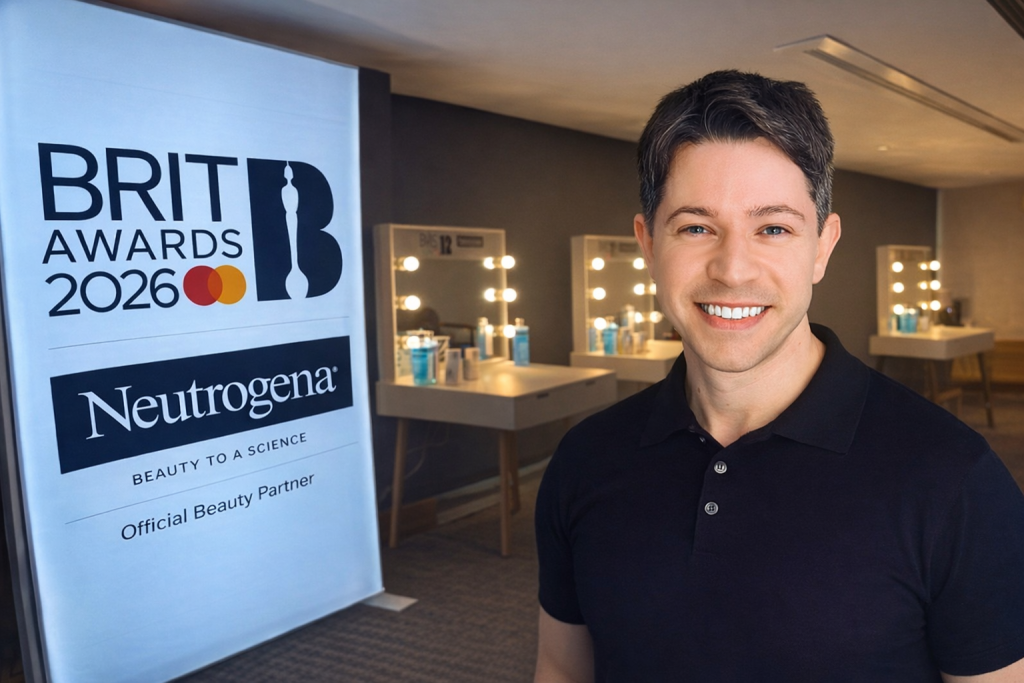


Digital channels are awash with retail brands screaming for attention from every corner, writes Chris Rhodes, founder and creative director at creative production agency Experience.

But some brands are taking a different route and allocating significantly more resources to experiential marketing, with event budgets predicted to grow 6.6% in 2026.
This shift suggests as digital channels become increasingly crowded, brands are rediscovering the value of a physical presence and acknowledging that authentic consumer engagement needs more than targeting strategies or optimisations.
The brands that showed up physically didn’t do it with traditional shop windows or seasonal displays.
They went all-in with immersive installations, flexible spaces and sensory experiences.
They opted for activations designed to make people stop, feel something and stay awhile.
Whether it was an industry stalwart or a scrappy newcomer, the realisation is that in a world drowning in digital ads, face-to-face connections are not nostalgic, they are essential.
Digital is easy to buy, but harder to trust
In retail, everyone’s fighting for the same scroll time, the same eyeballs, the same fleeting moment before someone swipes away.
But younger audiences are pushing back on the inauthenticity of it all.
They understand the mechanics of retargeting ads following them around the internet. Digital reach is now easy to come by, but trust is still a scarce resource.
Physical experiences build trust in ways paid media simply can’t. When you walk into a space, touch a product, speak to someone who knows the story behind it, it doesn’t make you want to skip or block.
Established brands are using these moments to deepen relationships and pull in experience-hungry younger audiences.
Newcomers are deploying activations as statement moves, proving their credentials before they’ve even built a significant digital presence.
Related Story

Sensation beats spectacle
The best retail activations are the ones that make you feel something immediately, they aren’t designed for Instagram first.
A great example of this is our work with footwear brand Allbirds, which focused less on spectacle and more on sensation. No flashy gimmicks, just a space that encouraged people to slow down, touch materials and understand the comfort and sustainability story.
It meant that people stayed longer, asked better questions and left with a stronger emotional connection.
A spectacle gets shared once and is forgotten, whereas a sensation changes how someone thinks about a brand, possibly forever.
Why?
Because someone who has experienced a brand in real life talks about it differently. They recommend it with confidence and become an advocate without being asked.
Flexibility is the new format
Retail experiences don’t need to be permanent to be powerful. Hybrid spaces, for example, part showroom, part experience hub, part community gathering point, can give loyal customers something new while allowing brands to refresh without losing familiarity.
Pop-ups have evolved from novelty plays into platforms that test and iterate based on how people behave, going beyond just online metrics.
For newcomers, the activations that land have clarity. The best ones have a strong link to the product story and a clear purpose beyond creating noise.
Simplicity, having the right location and a confident message outperform over-designed builds trying to do everything at once.
Reimagine retail as experience, not transaction
The brands staying culturally relevant are the ones looking beyond the transaction entirely. They’re treating retail as a reason to show up, not just a place to buy.
This means experiences that offer genuine value, whether it’s education, personalisation or community – and not just entertainment or photo opportunities.
When retail becomes experiential, one week of activation creates dozens of meaningful conversations, hundreds of advocates and thousands of impressions through genuine word-of-mouth.
So where does this go next?
The next phase will be about agility.
Instead of one-off moments, activations will involve modular experiences that can adapt, travel and evolve. The best ones will be those that respond to feedback in real time rather than what looked good in the pitch deck.
There’s also a growing expectation that experiences must offer real value.
Entertainment alone won’t cut it. People want to learn something, discover something about themselves, or feel part of something bigger.
It’s important to note that experiential isn’t competing with digital. It’s just reminding digital why physical connection mattered in the first place.
And it also proves that younger audiences aren’t avoiding stores; they just need brands to give them an actual reason to walk through the door.
Click here to sign up to Retail Gazette‘s free daily email newsletter