

New UK restrictions on the advertising of unhealthy food could ultimately affect as little as 1 per cent of total industry ad spend once brands adapt their marketing strategies, according to new analysis.
Research from innovation foundation Nesta suggests that gaps in the legislation may allow most advertising budgets to shift into channels that remain outside the scope of the rules.
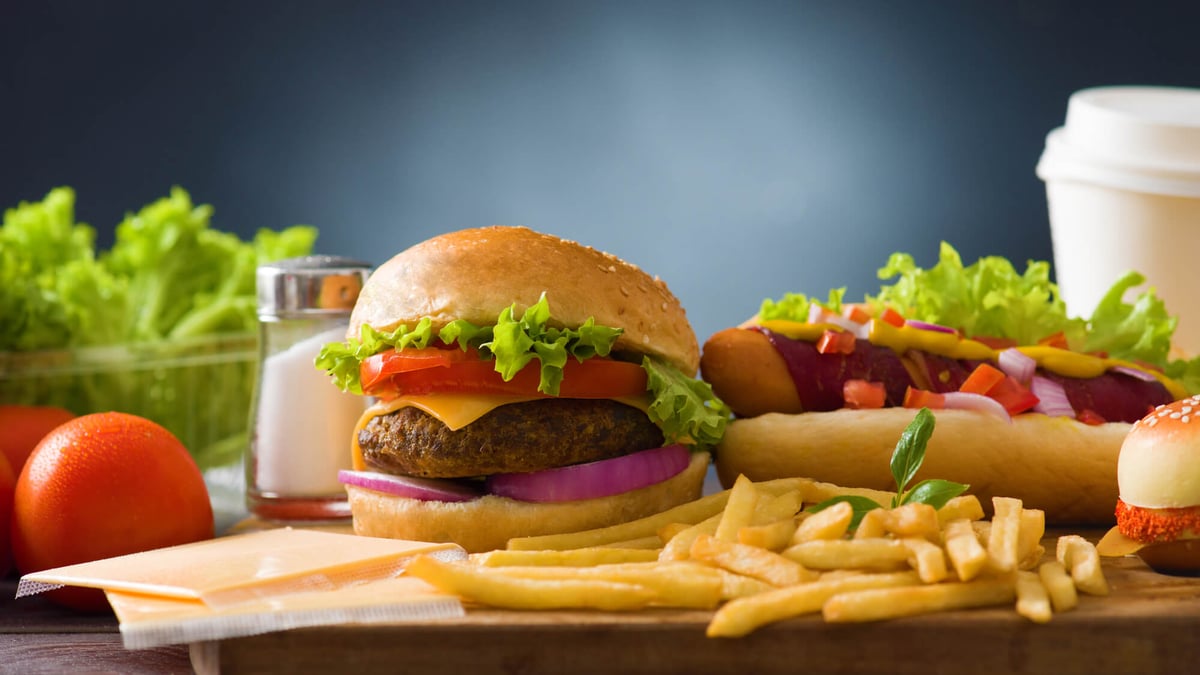
The UK government introduced the new restrictions on 5 January 2026, banning paid online adverts and television advertising before 9pm for products high in fat, salt and sugar (HFSS) across 13 food categories including crisps, sweet biscuits and ready meals.
The policy is designed to help tackle childhood obesity by limiting children’s exposure to junk food marketing.
However, Nesta’s analysis indicates that the practical impact on marketing budgets could be far smaller than originally intended.
Total UK food and drink advertising spend reached roughly £2.4bn in 2024. Of that figure, the organisation estimates only about 8 per cent (approximately £190 million) currently falls within the scope of the regulations.
Once brands adjust their strategies and shift spending into channels and formats not covered by the restrictions, the proportion of affected spend could fall to just 1 per cent, or around £20m.
Advertising loopholes highlighted
Nesta said several structural gaps in the policy are likely to limit its effectiveness.
The legislation applies only to paid online and television advertising, meaning other channels such as outdoor advertising, company-owned social media accounts, websites and direct digital marketing are not covered.
At the same time, brand and product range advertising remain exempt from the rules following lobbying from industry groups.
According to the report, around 36 per cent of food and drink advertising spend (equivalent to roughly £824 million) is already brand-focused and therefore unaffected by the restrictions.
The policy also applies to just 13 specific food categories, meaning many products typically regarded as unhealthy fall outside the rules. Nesta estimates that around 60 per cent of consumer spending on HFSS foods sits outside those categories.
Changing marketing landscape
The research also points to shifts in advertising behaviour since the policy was first proposed nearly a decade ago.
Television advertising, which the legislation directly targets, has declined significantly over the past two decades. In real terms, TV ad spend has fallen by around 40 per cent between 2004 and 2024, including a 21 per cent drop since the policy was first announced in 2018.
Meanwhile, outdoor advertising has grown rapidly over the same period, more than tripling in real terms since 2004 and rising by 59 per cent since 2018.
Nesta argues this means advertisers may increasingly move campaigns into channels that remain largely unregulated.
Owned media channels present another challenge. The rules do not cover communications controlled directly by companies, such as their websites, email marketing or social media accounts.
Nesta’s research suggests exposure to such marketing varies across demographics.
Direct messages from less healthy food brands were more common in the most deprived areas (65 per cent) than in the least deprived areas (45 per cent), while younger adults were also more likely to receive marketing from HFSS brands.
Campaigners are arguing that the government should apply lessons from the rollout of the HFSS restrictions when implementing future policies.
Bite Back 2030 CEO D’Arcy Williams said food brands were already adept at adapting their marketing strategies to avoid regulatory limits.
“These findings back up everything we’ve been seeing and warning about for years,” Williams said. “Junk food companies are incredibly adept at finding loopholes and shifting their marketing into places where the rules don’t apply.”
The government’s forthcoming Healthy Food Standard, which will require large food businesses to meet targets on the proportion of healthier products they sell, is expected to form the next phase of the UK’s public health strategy.
Click here to sign up to Retail Gazette‘s free daily email newsletter