Insect farming could tackle deforestation and boost food security, study finds

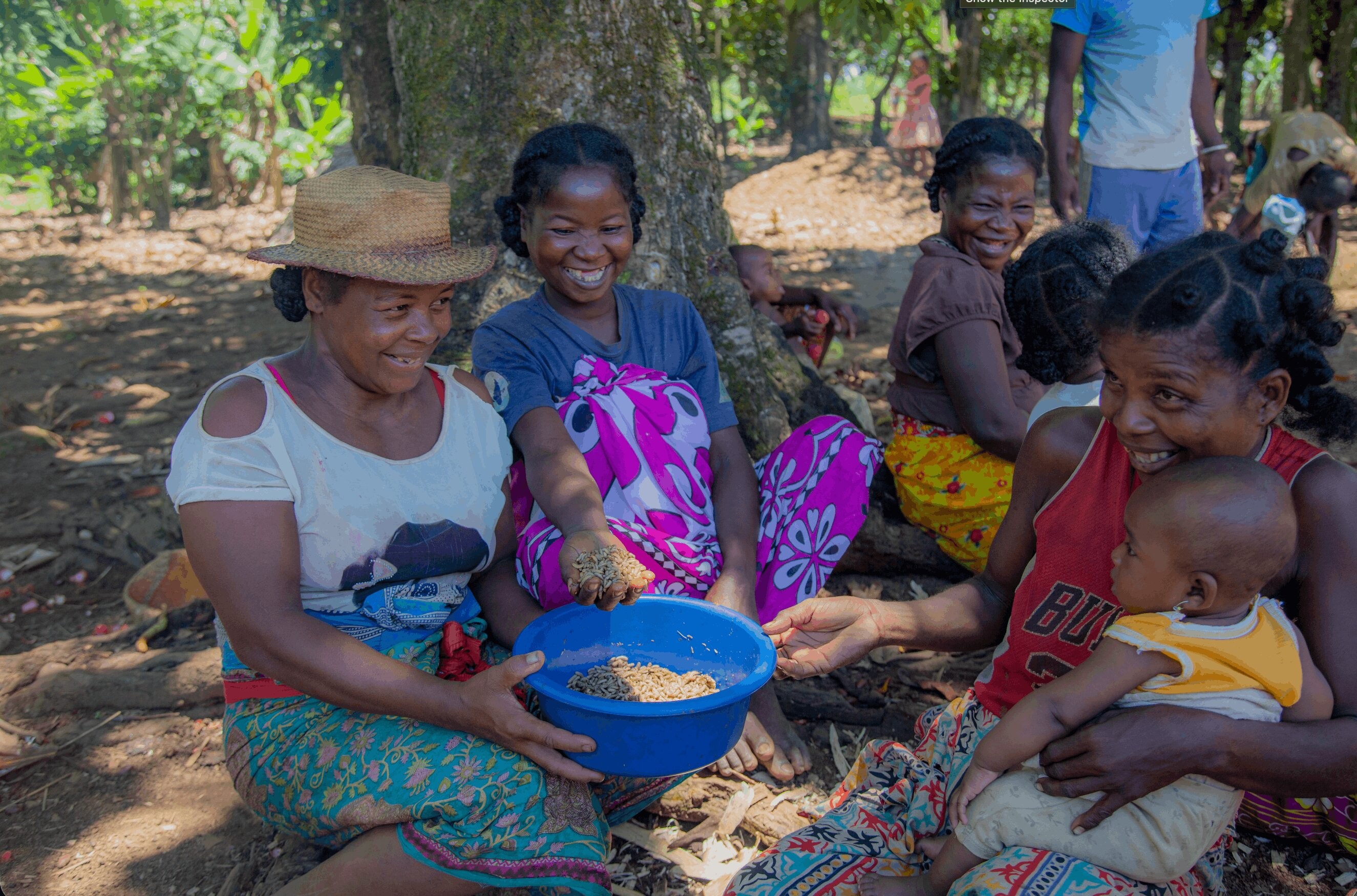
Black Soldier Fly (BSF) farming could provide a scalable solution to malnutrition and environmental degradation, following the launch of the world’s largest community-owned BSF farm in Madagascar, suggests a new study.
GroceryNews

Black Soldier Fly (BSF) farming could provide a scalable solution to malnutrition and environmental degradation, following the launch of the world’s largest community-owned BSF farm in Madagascar, suggests a new study.

The research, led by Health In Harmony and Madagascar Biodiversity Center, found strong local acceptance of insect-based foods in communities near the Manombo Special Reserve.

Surveys across 70 households showed 95% of young people responded positively to BSF-based products, while 90% of participants said they would be willing to farm the insects themselves.

The findings highlight BSF larvae as a nutrient-dense, low-impact food source that can be produced using organic waste, generating both protein and fertiliser.

Researchers said the model could reduce reliance on forest resources, a key driver of deforestation, while improving food security through year-round production.

The study also found that product format plays a key role in adoption, with foods where the insect is less visible, such as crackers, proving more popular than whole larvae.

These findings suggests barriers to adopting are practical rather than cultural, with integration into familiar diets seen as critical.

“From a conservation perspective, solutions need to reduce pressure on forests without limiting people’s access to food or income. Insect farming offers that balance,” said Madagascar Biodiversity Centre director of small farms programs Cédrique Solofondranohatra.

“It creates a viable alternative outside of forest ecosystems, which is essential for protecting biodiversity in the long term.”

As a result of the research, Madagascar has established a growing network of community-led BSF farms, many run by women, with early evidence pointing to improved household incomes and resilience during periods of food scarcity.

The country has also introduced national standards allowing the consumption of BSF products, supporting further scale-up.

Click here to sign up to Retail Gazette‘s free daily email newsletter

GroceryNews

Leave a Reply

Your email address will not be published. Required fields are marked *

Fill out this field
Fill out this field
Please enter a valid email address.

GroceryNews

Share:

Insect farming could tackle deforestation and boost food security, study finds

Black Soldier Fly (BSF) farming could provide a scalable solution to malnutrition and environmental degradation, following the launch of the world’s largest community-owned BSF farm in Madagascar, suggests a new study.

Black Soldier Fly (BSF) farming could provide a scalable solution to malnutrition and environmental degradation, following the launch of the world’s largest community-owned BSF farm in Madagascar, suggests a new study.

The research, led by Health In Harmony and Madagascar Biodiversity Center, found strong local acceptance of insect-based foods in communities near the Manombo Special Reserve.

Surveys across 70 households showed 95% of young people responded positively to BSF-based products, while 90% of participants said they would be willing to farm the insects themselves.

The findings highlight BSF larvae as a nutrient-dense, low-impact food source that can be produced using organic waste, generating both protein and fertiliser.

Researchers said the model could reduce reliance on forest resources, a key driver of deforestation, while improving food security through year-round production.

The study also found that product format plays a key role in adoption, with foods where the insect is less visible, such as crackers, proving more popular than whole larvae.

These findings suggests barriers to adopting are practical rather than cultural, with integration into familiar diets seen as critical.

“From a conservation perspective, solutions need to reduce pressure on forests without limiting people’s access to food or income. Insect farming offers that balance,” said Madagascar Biodiversity Centre director of small farms programs Cédrique Solofondranohatra.

“It creates a viable alternative outside of forest ecosystems, which is essential for protecting biodiversity in the long term.”

As a result of the research, Madagascar has established a growing network of community-led BSF farms, many run by women, with early evidence pointing to improved household incomes and resilience during periods of food scarcity.

The country has also introduced national standards allowing the consumption of BSF products, supporting further scale-up.

Click here to sign up to Retail Gazette‘s free daily email newsletter

Social


SUBSCRIBE TO OUR DAILY NEWSLETTER

  • This field is for validation purposes and should be left unchanged.
GroceryNews

Leave a Reply

Your email address will not be published. Required fields are marked *

Fill out this field
Fill out this field
Please enter a valid email address.

RELATED STORIES

Latest Feature


Menu


Close popup

Please enter the verification code sent to your email: