Strait of Hormuz disruption to threaten fertiliser supplies and food prices

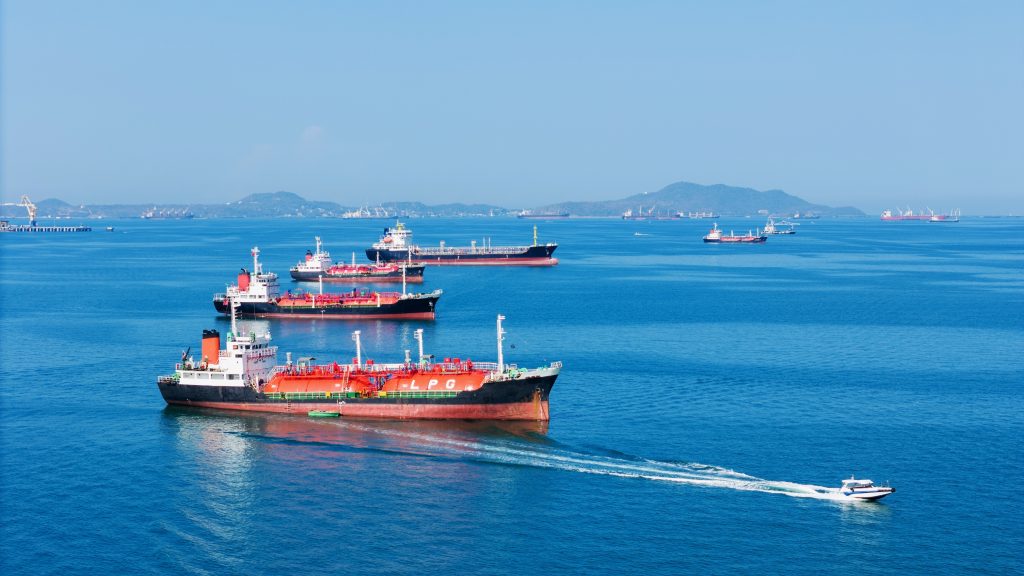
Disruption to shipping through the Strait of Hormuz is raising concerns about global fertiliser supply and the potential for higher food prices, after tensions in the Middle East halted much of the traffic through the key waterway.
NewsSupply Chain

Disruption to shipping through the Strait of Hormuz is raising concerns about global fertiliser supply and the potential for higher food prices, after tensions in the Middle East halted much of the traffic through the key waterway.

It is understood that the closure of the route by Iran following military strikes by the United States and Israel over the weekend, is affecting shipments of ammonia and nitrogen, both essential ingredients in synthetic fertilisers that underpin modern agriculture, as first reported in the Guardian.

The strait handles a major share of fertiliser raw materials, with between a quarter and a third of global trade in key inputs moving through the passage.

Roughly half of global food production relies on synthetic nitrogen fertiliser, meaning any sustained supply disruption could lower crop yields and push up prices for staples such as bread, pasta and potatoes. Higher fertiliser costs would also increase the price of animal feed.

Supply pressures have intensified after Qatar shut its largest fertiliser facility following a drone attack, adding to concerns about tightening global supply.

Meanwhile, prices are already rising such as Egyptian urea, a global benchmark tracked by consultancy CRU Group, soaring more than 25 per cent to about $625 per metric tonne from roughly $484–$490 a week earlier.

The Middle East also supplies about 45 per cent of global sulphur trade, another key ingredient used in fertiliser production.ere placing increasing pressure on farmers’ finances, with many already operating on narrow margins.

Speaking to Retail Gazette, LogsiticsUk head of trade policy James Mills said if the US and Middle East geopolitical conflict escalates and shipping disruption persists, the bigger issue is not availability but inflation as the energy markets respond rapidly to geopolitical events.

“All markets react pretty much immediately to geopolitical risk,” he warns. “Wholesale fuel markets can adjust within days.

“Fuel is one of the largest input costs in logistics, and sustained increases move through freight contracts relatively quickly. Retail pricing effects tend to follow if volatility persists.”

Click here to sign up to Retail Gazette‘s free daily email newsletter

NewsSupply Chain

Leave a Reply

Your email address will not be published. Required fields are marked *

Fill out this field
Fill out this field
Please enter a valid email address.

NewsSupply Chain

Share:

Strait of Hormuz disruption to threaten fertiliser supplies and food prices

Disruption to shipping through the Strait of Hormuz is raising concerns about global fertiliser supply and the potential for higher food prices, after tensions in the Middle East halted much of the traffic through the key waterway.

Disruption to shipping through the Strait of Hormuz is raising concerns about global fertiliser supply and the potential for higher food prices, after tensions in the Middle East halted much of the traffic through the key waterway.

It is understood that the closure of the route by Iran following military strikes by the United States and Israel over the weekend, is affecting shipments of ammonia and nitrogen, both essential ingredients in synthetic fertilisers that underpin modern agriculture, as first reported in the Guardian.

The strait handles a major share of fertiliser raw materials, with between a quarter and a third of global trade in key inputs moving through the passage.

Roughly half of global food production relies on synthetic nitrogen fertiliser, meaning any sustained supply disruption could lower crop yields and push up prices for staples such as bread, pasta and potatoes. Higher fertiliser costs would also increase the price of animal feed.

Supply pressures have intensified after Qatar shut its largest fertiliser facility following a drone attack, adding to concerns about tightening global supply.

Meanwhile, prices are already rising such as Egyptian urea, a global benchmark tracked by consultancy CRU Group, soaring more than 25 per cent to about $625 per metric tonne from roughly $484–$490 a week earlier.

The Middle East also supplies about 45 per cent of global sulphur trade, another key ingredient used in fertiliser production.ere placing increasing pressure on farmers’ finances, with many already operating on narrow margins.

Speaking to Retail Gazette, LogsiticsUk head of trade policy James Mills said if the US and Middle East geopolitical conflict escalates and shipping disruption persists, the bigger issue is not availability but inflation as the energy markets respond rapidly to geopolitical events.

“All markets react pretty much immediately to geopolitical risk,” he warns. “Wholesale fuel markets can adjust within days.

“Fuel is one of the largest input costs in logistics, and sustained increases move through freight contracts relatively quickly. Retail pricing effects tend to follow if volatility persists.”

Click here to sign up to Retail Gazette‘s free daily email newsletter

Social


SUBSCRIBE TO OUR DAILY NEWSLETTER

  • This field is for validation purposes and should be left unchanged.
NewsSupply Chain

Leave a Reply

Your email address will not be published. Required fields are marked *

Fill out this field
Fill out this field
Please enter a valid email address.

RELATED STORIES

Latest Feature


Menu


Close popup

Please enter the verification code sent to your email: