Sainsbury’s Simon Roberts urges government to ease energy costs to prevent food price rises

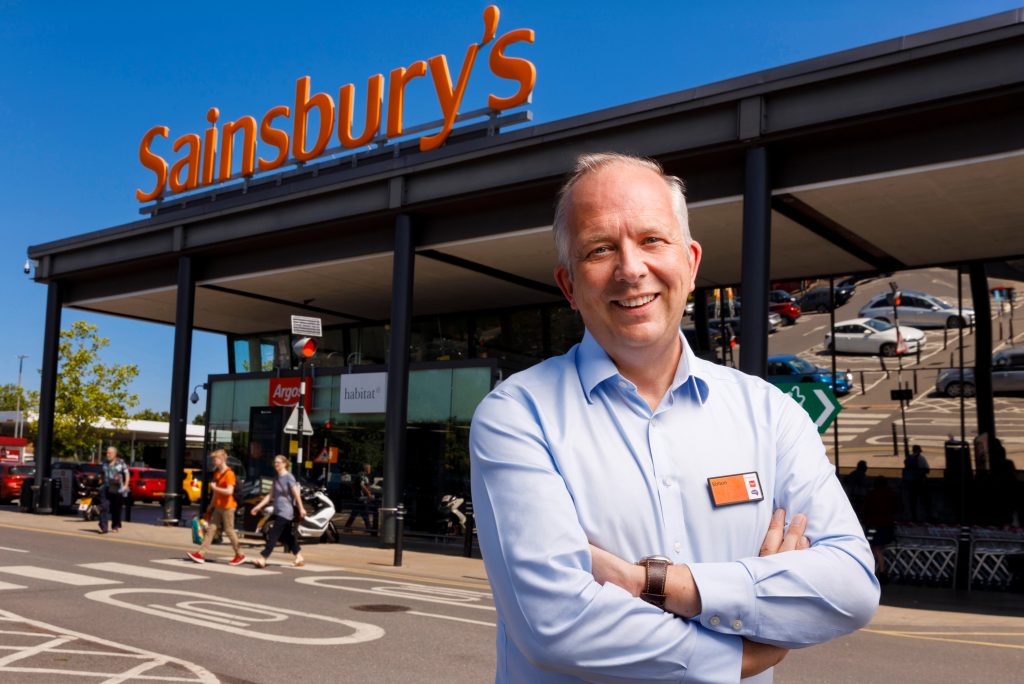
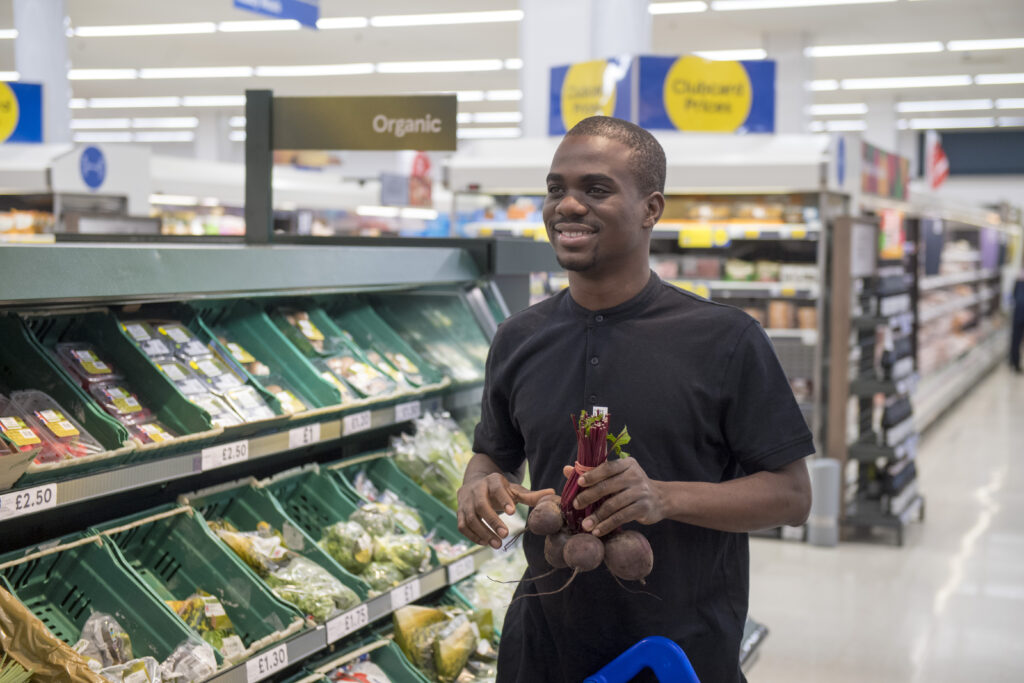
Sainsbury's Simon Roberts
GroceryNews

Sainsbury’s chief executive Simon Roberts has called on the government to help ease rising energy costs for farmers, food producers and retailers, warning that higher bills could feed through into food prices.

Roberts said the conflict in the Middle East was putting further pressure on both household budgets and business costs, with energy remaining a major driver of food inflation across the supply chain.

“The single biggest thing the government could do to keep prices down is to make sure energy prices for the industry are not rising faster,” he said.

His comments follow the chancellor’s decision last week to expand support on bills for some energy-intensive UK businesses.

Roberts said it was now time for similar support to be considered for the food sector, including farming, manufacturing and retail.

“Some sectors have seen those reliefs and it is now time to look at what’s possible in food growing, manufacturing and retailing,” he said.

The Sainsbury’s boss said the grocer had not yet seen problems with food availability, helped by the UK moving into its domestic growing season.

However, he warned that home-grown production was also exposed to higher energy costs, from heating polytunnels for fruit and salad vegetables to transporting products from farms to stores and running refrigeration across the supply chain.

“The growing season is in full swing in the UK but that takes a lot of energy to produce,” Roberts said.

“There is no doubt pressure on inflation and pressure on food prices given that energy is the single key component on food we eat every day.”

Sainsbury’s shares fell 3.7 per cent on Thursday after the supermarket warned that profits could fall this year as the conflict in the Middle East weighs on consumer spending and pushes up costs.

The grocer said the conflict “will impact both our customers and our business”, although it remains unclear how significant the effect will be.

For the year to 28 February, Sainsbury’s posted a 1.1 per cent rise in underlying profit to £1.03bn, supported by the end of losses from its financial services arm.

However, the retailer said uncertainty around the war meant profits for the current year could be either marginally higher or lower than last year. It expects to deliver underlying profit of between £975m and £1.08bn.

“The duration and extent of these impacts is very uncertain and this is reflected in our profit guidance,” the company said.

Roberts added: “The conflict in the Middle East means customers are even more focused on the cost of living, and we are absolutely committed to making sure everyone gets the best possible value when they shop with us.”

Sainsbury’s, which also owns Argos and Habitat, reported a 4.3 per cent rise in annual sales to almost £30bn.

However, sales at Argos increased just 0.7 per cent as the group pointed to a “highly competitive and subdued general merchandise market”, with volume growth largely offset by pricing pressure and a shift towards lower-ticket items.

The supermarket said it had gained its highest market share in a decade after investing in price despite inflationary pressures.

Roberts said: “Rather than pass through the full extent of cost inflation, we invested to sustain the strength of our competitive position while also refreshing stores, improving digital experiences and increasing colleague pay by 5 per cent.”

The group is continuing to invest in automation across its Sainsbury’s and Argos warehouses and has launched an AI centre of excellence to support adoption of the technology across areas including customer service and supply chain operations.

Sainsbury’s expects to open 10 new supermarkets and 20 convenience stores this year, after opening 10 supermarkets and 33 convenience stores last year.

The warning comes as the impact of the conflict in the Middle East is being felt more widely across the retail sector.

WH Smith also cut its profit forecast on Thursday by around £10m, to between £90m and £105m, citing uncertainty linked to the conflict, weaker consumer confidence and pressure on passenger numbers across its airport and railway station stores.

Click here to sign up to Retail Gazette‘s free daily email newsletter

GroceryNews

Leave a Reply

Your email address will not be published. Required fields are marked *

Fill out this field
Fill out this field
Please enter a valid email address.

GroceryNews

Share:

Sainsbury’s Simon Roberts urges government to ease energy costs to prevent food price rises

Sainsbury's Simon Roberts

Sainsbury’s chief executive Simon Roberts has called on the government to help ease rising energy costs for farmers, food producers and retailers, warning that higher bills could feed through into food prices.

Roberts said the conflict in the Middle East was putting further pressure on both household budgets and business costs, with energy remaining a major driver of food inflation across the supply chain.

“The single biggest thing the government could do to keep prices down is to make sure energy prices for the industry are not rising faster,” he said.

His comments follow the chancellor’s decision last week to expand support on bills for some energy-intensive UK businesses.

Roberts said it was now time for similar support to be considered for the food sector, including farming, manufacturing and retail.

“Some sectors have seen those reliefs and it is now time to look at what’s possible in food growing, manufacturing and retailing,” he said.

The Sainsbury’s boss said the grocer had not yet seen problems with food availability, helped by the UK moving into its domestic growing season.

However, he warned that home-grown production was also exposed to higher energy costs, from heating polytunnels for fruit and salad vegetables to transporting products from farms to stores and running refrigeration across the supply chain.

“The growing season is in full swing in the UK but that takes a lot of energy to produce,” Roberts said.

“There is no doubt pressure on inflation and pressure on food prices given that energy is the single key component on food we eat every day.”

Sainsbury’s shares fell 3.7 per cent on Thursday after the supermarket warned that profits could fall this year as the conflict in the Middle East weighs on consumer spending and pushes up costs.

The grocer said the conflict “will impact both our customers and our business”, although it remains unclear how significant the effect will be.

For the year to 28 February, Sainsbury’s posted a 1.1 per cent rise in underlying profit to £1.03bn, supported by the end of losses from its financial services arm.

However, the retailer said uncertainty around the war meant profits for the current year could be either marginally higher or lower than last year. It expects to deliver underlying profit of between £975m and £1.08bn.

“The duration and extent of these impacts is very uncertain and this is reflected in our profit guidance,” the company said.

Roberts added: “The conflict in the Middle East means customers are even more focused on the cost of living, and we are absolutely committed to making sure everyone gets the best possible value when they shop with us.”

Sainsbury’s, which also owns Argos and Habitat, reported a 4.3 per cent rise in annual sales to almost £30bn.

However, sales at Argos increased just 0.7 per cent as the group pointed to a “highly competitive and subdued general merchandise market”, with volume growth largely offset by pricing pressure and a shift towards lower-ticket items.

The supermarket said it had gained its highest market share in a decade after investing in price despite inflationary pressures.

Roberts said: “Rather than pass through the full extent of cost inflation, we invested to sustain the strength of our competitive position while also refreshing stores, improving digital experiences and increasing colleague pay by 5 per cent.”

The group is continuing to invest in automation across its Sainsbury’s and Argos warehouses and has launched an AI centre of excellence to support adoption of the technology across areas including customer service and supply chain operations.

Sainsbury’s expects to open 10 new supermarkets and 20 convenience stores this year, after opening 10 supermarkets and 33 convenience stores last year.

The warning comes as the impact of the conflict in the Middle East is being felt more widely across the retail sector.

WH Smith also cut its profit forecast on Thursday by around £10m, to between £90m and £105m, citing uncertainty linked to the conflict, weaker consumer confidence and pressure on passenger numbers across its airport and railway station stores.

Click here to sign up to Retail Gazette‘s free daily email newsletter

Social


SUBSCRIBE TO OUR DAILY NEWSLETTER

  • This field is for validation purposes and should be left unchanged.
GroceryNews

Leave a Reply

Your email address will not be published. Required fields are marked *

Fill out this field
Fill out this field
Please enter a valid email address.

RELATED STORIES

Latest Feature


Menu


Close popup

Please enter the verification code sent to your email: