

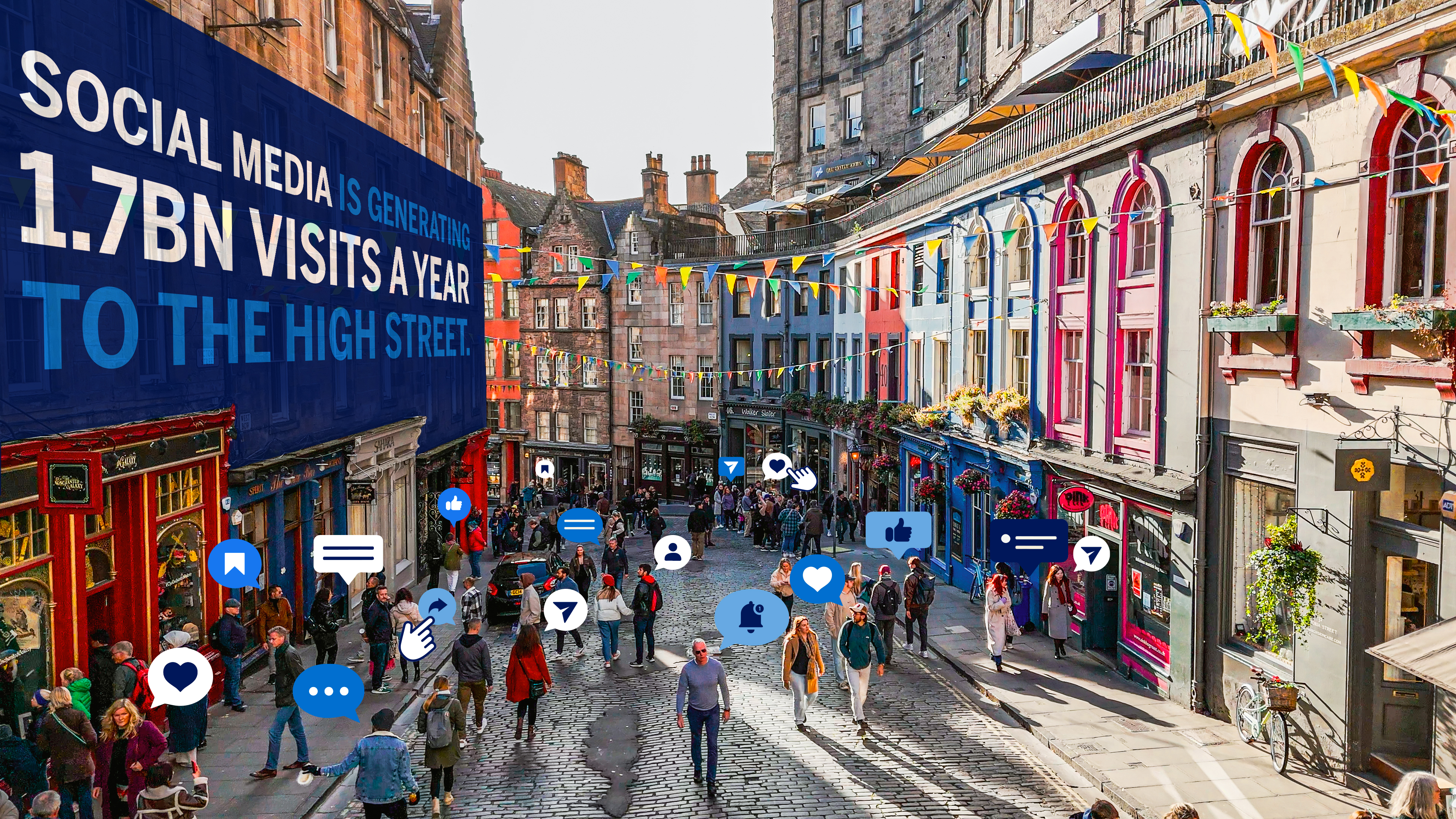
Social media has become one of the most influential forces now in play for UK high streets, writes Dan Edelman, UK general manager, merchant services at American Express.

According to new research by American Express, conducted with Retail Economics, it’s estimated that social media now drives 1.7 billion high street visits annually in the UK. Behind every one of those visits is a shopper who has viewed and engaged with something online, felt compelled to act, and walked through a door they might never have opened otherwise.
The research, underpinned by an extensive survey of 2,000 UK adults, revealed that nearly two-thirds (63 per cent) of UK adults have visited a shop or hospitality venue, such as restaurant or café, within the last year after being influenced to do so by content they saw on social media. Significantly, nearly nine in 10 (87 per cent) of those surveyed spent money during a socially influenced visit to the high street, increasing to 94 cent among Gen Z shoppers (aged 18-28).
For retailers, this presents a genuine sales and engagement opportunity. But fully capitalising on it requires more than a social presence. It demands an understanding of who these shoppers are, their expectations, and what it takes to turn a single socially influenced visit into a lasting customer relationship.
Here are six findings to emerge from the research:
1. Turning social ‘hype’ into footfall
The social-influenced shopper arrives with intent, motivated by wanting to see if a product or experience fully lives up to the online hype – not wanting to miss out – or keen to purchase something before it sells out. One quarter (24 per cent) feel pressure to visit before this hype dies down, rising to almost a third (31 per cent) among Gen Z.
For retailers selling products or experiences where timing or limited availability is part of the appeal, reinforcing that urgency through social content can be the difference between consideration and a visit. But for those whose offer isn’t built around scarcity or urgency, creating reasons to be curious works just as well; teasing new drops, limited edition products, or behind-the-scenes content gives people a compelling reason to want to see it for themselves.
2. Make in-person visits easy to share
Customers are willing to share when a business gives them something worth sharing. A standout window display, an unexpected ‘wow’ product, or spotlighting service that goes far beyond a transaction – these are elements that will prompt someone to share their experience. And when they do, that post or recommendation reaches an extended network of potential customers. That word-of-mouth effect is significant: nearly eight in 10 social-influenced shoppers (79 per cent) said they have gone on to recommend a business, post about it, or leave a review after their visit, rising to 89 per cent among Gen Z.
The research found that 62 per cent of consumers say they trust a business more when they see content from genuine customers. Paid campaigns and polished posts have their place, but it’s authentic customer content that carries the most weight.
3. Give customers a reason to return
Social media isn’t just driving initial in-person visits – it’s helping to build customer loyalty too. About eight in 10 (82 per cent) shoppers who make a social-influenced visit go on to return, and over half (55 per cent) do so within a month. The top drivers of repeat visits are genuine product or experience quality (40 per cent) and good availability (31 per cent).
The research also suggests social-fuelled visits put shoppers in an exploratory mindset. Many spend more than they originally planned once they arrive – and this often has a domino effect, with almost a third (32 per cent) of consumers visiting additional nearby shops, restaurants or venues during the same trip. For retailers, there is an opportunity to lean into this; thoughtful product placement, well-curated displays, and easy discovery of complementary items can all help convert that enthusiasm into greater revenue.
4. Use data to stay front of mind
Knowing customers are likely to return is one thing. Reaching them with something relevant enough to act on is another.
We’ve seen through our Amex Offers programme – which uses Cardmember spending data and preferences to deliver personalised, targeted offers – how strongly customers respond when they see a relevant offer at the right time.
The impact is meaningful; For example, one recent Amex Offers campaign with a prominent clothing and accessories retailer saw average transaction sizes more than double during the campaign period. Beyond that initial uplift, newly acquired customers returned to make an average of four transactions in the three months that followed – demonstrating that well-targeted card-linked offers don’t just drive one-off visits, they build long-term loyalty.
5. Get the basics right – and don’t lose customers at the till
Social-influenced shoppers visit with a specific product in mind. Almost two-thirds (64 per cent) say product availability is important or very important when they visit, and for good reason. They’ve seen something online, wanted it enough to make the trip, and expect to be able to buy it. A product that’s no longer available results in a frustrating experience and turns a motivated customer into a missed sale.
Payment acceptance matters just as much. Over half (56 per cent) say their preferred payment method being accepted in-store is important or very important, a fact increasing numbers of retailers recognise. Offering choice and different ways to pay mean you avoid losing a customer at the till.
6. Exceed expectations – and let your customers do the rest
The research reinforces that social media is a powerful discovery engine. A quarter (25 per cent) of social-influenced visits are to businesses respondents had never previously visited.
So when a customer shares their experience, it introduces that business to a new audience. But it only works in merchants’ favour when the in-store experience matches expectations. Just over a fifth (21 per cent) say the in-store experience exceeding what they saw online is the single biggest driver of a return visit; content that overpromises creates a gap that’s hard to recover from.
Get that right, and the cycle sustains itself: discovery drives a visit, a great visit prompts a share, and that share becomes discovery for the next customer. Every shopper who posts is generating a new wave of footfall – turning a single moment of hype into a growth engine.
Social media has become the new shop window for Britain’s high streets. The merchants who seize the opportunity will be the ones who successfully turn today’s hype into tomorrow’s growth.
Click here to sign up to Retail Gazette‘s free daily email newsletter