Liberty’s retail manager on the return of the fabric department and the retailer’s next chapter

Liberty has expanded its famous Fabrics department by 140 per cent as it sees growing interest in sewing, design and other hands-on creative hobbies.
5 minutes with...Big InterviewInsightLuxury goodsNewsSupply Chain

This month, Liberty is putting one of its oldest categories at the centre of its retail strategy, with the relaunch of its fabrics department. The designer department store has seen customers returning to sewing, dressmaking and making things for themselves.

The new department, which opened on July 20, has increased by a 140 per cent from 1,927 sq ft to 4,630 sq ft, bringing more than 2,500 fabrics together with private consultation areas, new collections, artist installations and plans for workshops.

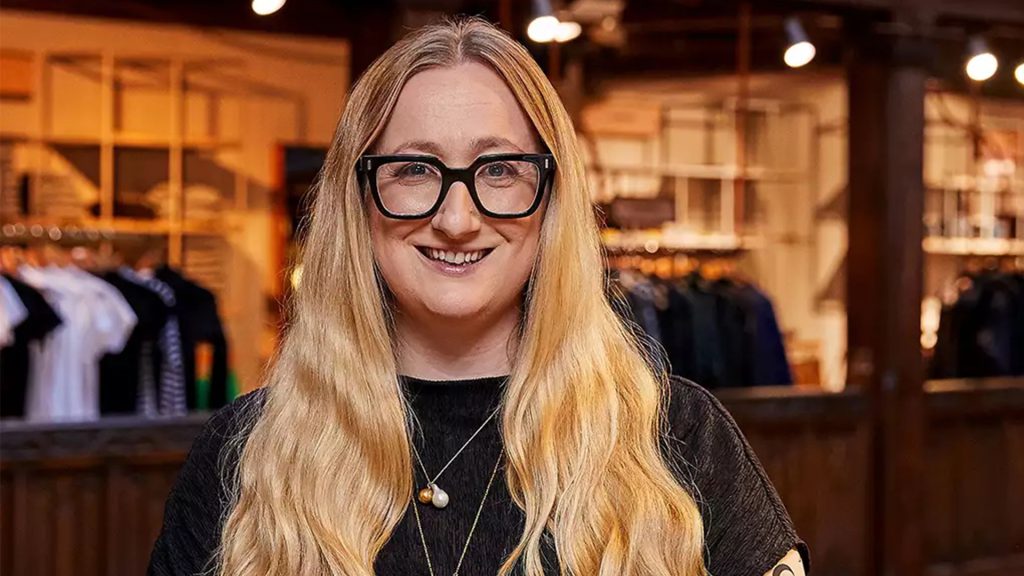
For Liberty’s managing director of retail Lydia King, the decision to invest was not only about giving the department more space, but also responding to customers who were already trying to tell the retailer that they wanted more.

“First, it was consumer demand,” King says. “The sales were amazing that we actually couldn’t fit the amount of customers in there.”

Photo. Liberty. The luxury retailer has expanded its Fabrics department by 140%.

The old department could accommodate only three cutting tables, limiting the number of customers the team could serve while also restricting the range of fabrics that could be displayed.

Now, the department has room for more than 20 new collections each year, alongside Liberty’s established archive of prints and fabrics including Tana Lawn cotton, silk, georgette, chiffon and lurex.

Customers’ response to the expanded department has been immediate. On the first day the new space opened, Liberty recorded its best day of trading for the fabrics department, exceeding its target by 35 per cent, according to King.

“It was always scary,” she says, referring to the investment. “You open a new space and you have the data to show that, ‘this is what our customer wants’, but we don’t actually know if it’s going to work. So when it does works, it’s amazing.”

The expansion comes against a stronger financial backdrop for the retailer. The latest Companies House accounts for Liberty showed that for the year ending February 1 show revenue rising to £129m from £124m, while profit before tax increased to £7.7m from £2.6m.

The business has also been investing in the physical retail experience, including the Seventy Five restaurant, a Fragrance Lounge and The Beauty Studio. The fabrics expansion is the latest example of that strategy, but with a particular focus on a category that King believes is central to Liberty’s identity.

“Fabrics is really what we’ve always been known for,” she says.

‘We want an elevated experience’

Liberty has had a rich history of driving fabric printing innovating, ever since it began printing its own designs over a century ago.

Today, the luxury retailer’s fabrics department is rooted in a supply chain that stretches from its in-house design team to its The Liberty Printing Mill, located in Olonia, near Lake Como in Italy.

The design process begins in Liberty’s offices, where the design team develops new hand-drawn prints and collections before production takes place in Italy. It is a long lead time, with the team already working on collections for the following summer.

Not everything is digitally printed, King explains, and the process of designing, colouring, planning production and working with the factory can take more than a year.

That long-term approach is part of what makes the category different from a conventional retail department. Customers may buy only a few metres of fabric, but the purchase can be the starting point for a garment, a quilt or another project that is kept for years.

“They remember the designs,” King says. “Quite often it’s a real investment.”

Photo: Liberty. The Liberty Printing Mill (pictured here) prizes itself as a pioneer in digital print, creating samples back in 1993.

The new space is designed around that behaviour. Customers can browse the collection, speak to specialists and use private consultation suites for projects ranging from dressmaking to interiors and bespoke commissions.

Liberty is also planning workshops from the autumn, following feedback from its customer community.

The retailer found that customers wanted to spend more time in the store and learn from specialists. The programme will cover areas including quilting and other creative techniques, with the intention of welcoming both experienced makers and people who are just starting out.

For King, that reflects a wider opportunity for the department store.

“Other department stores moved away from haberdasheries,” she says. “It’s usually stuck in a corner or forgotten. Actually, for us, we want an elevated experience.”

That means the physical space has to do more than sell fabric. Liberty wants it to become a destination built around expertise, creativity and discovery.

The approach is already visible elsewhere in the store, where Liberty uses pop-ups, events and exclusive launches to give customers reasons to visit. King says the retailer has fewer brands than it did in the past, but is more focused on finding distinctive names and products.

“We try to have brands that are distributed everywhere, so that it’s a real place of discovery,” she says.

‘Making has become a modern expression of luxury’

The fabrics expansion also comes as Liberty considers what its heritage means in a changing retail market.

The retailer celebrated its 150th anniversary last year, using the milestone to speak to customers and its creative community about what they value most about the business.

Fabrics came through strongly. Liberty has since looked to build on that connection, including through its patchwork house project, which invited members of its community to embellish fabric patches that were brought together as one installation.

The response, King says, showed the strength of the community around the brand and the appetite for more interaction.

The challenge for Liberty is to make that heritage relevant to a new generation. The store is surrounded by modern retailers on Regent Street, but King believes its point of difference lies in giving customers something they cannot easily find elsewhere.

That includes the physical experience of the store, but also the chance to discover a product, meet an expert or learn a new skill.

The strategy is particularly relevant as consumers become more selective about where they spend and as luxury retail faces pressure to offer more than simply a product.

King points to a shift away from the beige, minimalist aesthetic associated with quiet luxury towards more colour and pattern. She sees the same change in fashion and interiors, with customers becoming more willing to experiment.

For Liberty, that plays directly into the strengths of its fabrics business.

Its archive provides the heritage, its designers provide the newness and its Italian production gives the retailer control over a distinctive part of the supply chain. The new space then brings those elements together with the expertise and community that King believes customers increasingly value.

The next stage will be to build on that proposition through workshops and creative experiences, while continuing to develop the product itself.

The wider question is whether Liberty can turn the renewed interest in making into a lasting retail opportunity.

King believes it can. “As our lives become increasingly digital, we’re seeing customers simultaneously reconnect with the joy of making,” she says.

“Making has become a modern expression of luxury because it offers something increasingly rare: originality.”

Click here to sign up to Retail Gazette‘s free daily email newsletter

5 minutes with...Big InterviewInsightLuxury goodsNewsSupply Chain

Leave a Reply

Your email address will not be published. Required fields are marked *

Fill out this field
Fill out this field
Please enter a valid email address.

Liberty’s retail manager on the return of the fabric department and the retailer’s next chapter

Liberty has expanded its famous Fabrics department by 140 per cent as it sees growing interest in sewing, design and other hands-on creative hobbies.

This month, Liberty is putting one of its oldest categories at the centre of its retail strategy, with the relaunch of its fabrics department. The designer department store has seen customers returning to sewing, dressmaking and making things for themselves.

The new department, which opened on July 20, has increased by a 140 per cent from 1,927 sq ft to 4,630 sq ft, bringing more than 2,500 fabrics together with private consultation areas, new collections, artist installations and plans for workshops.

For Liberty’s managing director of retail Lydia King, the decision to invest was not only about giving the department more space, but also responding to customers who were already trying to tell the retailer that they wanted more.

“First, it was consumer demand,” King says. “The sales were amazing that we actually couldn’t fit the amount of customers in there.”

Photo. Liberty. The luxury retailer has expanded its Fabrics department by 140%.

The old department could accommodate only three cutting tables, limiting the number of customers the team could serve while also restricting the range of fabrics that could be displayed.

Now, the department has room for more than 20 new collections each year, alongside Liberty’s established archive of prints and fabrics including Tana Lawn cotton, silk, georgette, chiffon and lurex.

Customers’ response to the expanded department has been immediate. On the first day the new space opened, Liberty recorded its best day of trading for the fabrics department, exceeding its target by 35 per cent, according to King.

“It was always scary,” she says, referring to the investment. “You open a new space and you have the data to show that, ‘this is what our customer wants’, but we don’t actually know if it’s going to work. So when it does works, it’s amazing.”

The expansion comes against a stronger financial backdrop for the retailer. The latest Companies House accounts for Liberty showed that for the year ending February 1 show revenue rising to £129m from £124m, while profit before tax increased to £7.7m from £2.6m.

The business has also been investing in the physical retail experience, including the Seventy Five restaurant, a Fragrance Lounge and The Beauty Studio. The fabrics expansion is the latest example of that strategy, but with a particular focus on a category that King believes is central to Liberty’s identity.

“Fabrics is really what we’ve always been known for,” she says.

‘We want an elevated experience’

Liberty has had a rich history of driving fabric printing innovating, ever since it began printing its own designs over a century ago.

Today, the luxury retailer’s fabrics department is rooted in a supply chain that stretches from its in-house design team to its The Liberty Printing Mill, located in Olonia, near Lake Como in Italy.

The design process begins in Liberty’s offices, where the design team develops new hand-drawn prints and collections before production takes place in Italy. It is a long lead time, with the team already working on collections for the following summer.

Not everything is digitally printed, King explains, and the process of designing, colouring, planning production and working with the factory can take more than a year.

That long-term approach is part of what makes the category different from a conventional retail department. Customers may buy only a few metres of fabric, but the purchase can be the starting point for a garment, a quilt or another project that is kept for years.

“They remember the designs,” King says. “Quite often it’s a real investment.”

Photo: Liberty. The Liberty Printing Mill (pictured here) prizes itself as a pioneer in digital print, creating samples back in 1993.

The new space is designed around that behaviour. Customers can browse the collection, speak to specialists and use private consultation suites for projects ranging from dressmaking to interiors and bespoke commissions.

Liberty is also planning workshops from the autumn, following feedback from its customer community.

The retailer found that customers wanted to spend more time in the store and learn from specialists. The programme will cover areas including quilting and other creative techniques, with the intention of welcoming both experienced makers and people who are just starting out.

For King, that reflects a wider opportunity for the department store.

“Other department stores moved away from haberdasheries,” she says. “It’s usually stuck in a corner or forgotten. Actually, for us, we want an elevated experience.”

That means the physical space has to do more than sell fabric. Liberty wants it to become a destination built around expertise, creativity and discovery.

The approach is already visible elsewhere in the store, where Liberty uses pop-ups, events and exclusive launches to give customers reasons to visit. King says the retailer has fewer brands than it did in the past, but is more focused on finding distinctive names and products.

“We try to have brands that are distributed everywhere, so that it’s a real place of discovery,” she says.

‘Making has become a modern expression of luxury’

The fabrics expansion also comes as Liberty considers what its heritage means in a changing retail market.

The retailer celebrated its 150th anniversary last year, using the milestone to speak to customers and its creative community about what they value most about the business.

Fabrics came through strongly. Liberty has since looked to build on that connection, including through its patchwork house project, which invited members of its community to embellish fabric patches that were brought together as one installation.

The response, King says, showed the strength of the community around the brand and the appetite for more interaction.

The challenge for Liberty is to make that heritage relevant to a new generation. The store is surrounded by modern retailers on Regent Street, but King believes its point of difference lies in giving customers something they cannot easily find elsewhere.

That includes the physical experience of the store, but also the chance to discover a product, meet an expert or learn a new skill.

The strategy is particularly relevant as consumers become more selective about where they spend and as luxury retail faces pressure to offer more than simply a product.

King points to a shift away from the beige, minimalist aesthetic associated with quiet luxury towards more colour and pattern. She sees the same change in fashion and interiors, with customers becoming more willing to experiment.

For Liberty, that plays directly into the strengths of its fabrics business.

Its archive provides the heritage, its designers provide the newness and its Italian production gives the retailer control over a distinctive part of the supply chain. The new space then brings those elements together with the expertise and community that King believes customers increasingly value.

The next stage will be to build on that proposition through workshops and creative experiences, while continuing to develop the product itself.

The wider question is whether Liberty can turn the renewed interest in making into a lasting retail opportunity.

King believes it can. “As our lives become increasingly digital, we’re seeing customers simultaneously reconnect with the joy of making,” she says.

“Making has become a modern expression of luxury because it offers something increasingly rare: originality.”

Click here to sign up to Retail Gazette‘s free daily email newsletter

Social


SUBSCRIBE TO OUR DAILY NEWSLETTER

  • This field is for validation purposes and should be left unchanged.
5 minutes with...Big InterviewInsightLuxury goodsNewsSupply Chain

Leave a Reply

Your email address will not be published. Required fields are marked *

Fill out this field
Fill out this field
Please enter a valid email address.

RELATED STORIES

Latest Feature


Menu

Get Inside Matalan

A supply chain case study delivered to your inbox in three emails. The 3 elements Matalan changed to impact its bottom line..

Matalan Supply Chain Programme Form

  • This field is for validation purposes and should be left unchanged.


Close popup

Please enter the verification code sent to your email: