

Tesco is the UK’s largest supermarket, with over 24 million Clubcard users. It makes sense then that they opened their own retail media network – Tesco Media.
Tesco Media was designed to help brands and agencies grow and connect.
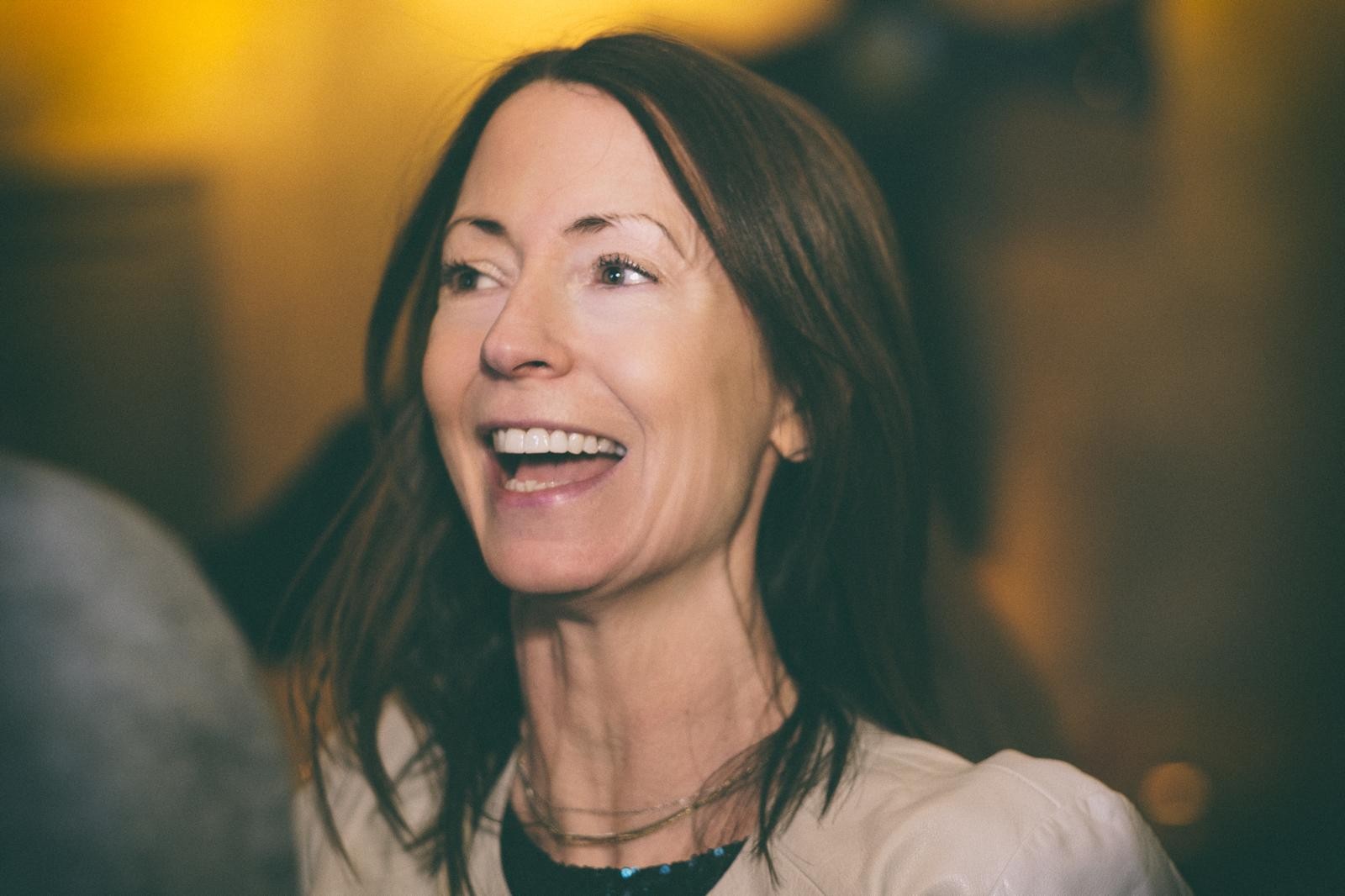
Tash Whitmey, managing director of Tesco Media, says: “The way we describe it is – we’re evolving from a retailer with data to a media owner with soul.”
The firm is rooted in Tesco’s ‘Every Little Helps’ philosophy, which has recently been reimagined into its “Need anything From Tesco” brand platform.
Shopping Journeys
Tesco’s campaign focuses on the journey from “sofa to store”, with its media network creating full funnel progress from when a customer begins thinking about a purchase in the comfort of their home to being in store.
She adds that scale is incredibly important to the brand, but equally important to Tesco Media is the ability to access “rich shopper insights” and use that scale and insights to deliver omnichannel reach.
Retail media close loop measurement is also critical. She explains: “You’re talking to me when I’m in a shopping mindset, whether that’s a discovery mindset or a replenishment mindset, and not only can you talk me closer to that particular journey, but you can tell me how it performed?”
Campaigns three-years in the making
Tesco Media helps brands solve a core challenge. The firm commissioned research with Clubcard members, called “Moving Mindsets”, it found that shopping is not linear and most shoppers don’t just shop to replenish their food or toiletry supplies.
According to the research, 71 per cent of Tesco’s consumers enjoyed discovering new brands whilst shopping, and 69 per cent of them decide what to buy while in the store. The study highlighted around 24 per cent knew what they want to purchase and purchase out of habit.
Whitmey says: “We focus on useful, well-timed activations that add value to the shopping journey, rather than interrupt it and that’s helping brands get discovered both online and in store.
“For us, it’s always make it work for customers, make it work for brands, make it work for Tesco in that order.”
One of the ways Tesco Media “makes it work” for both Tesco and its brands is by planning its campaigns in advance.
She comments: “We partner with the Tesco organisation and the brands to plan three years out. When you are looking at three years out you’re thinking what are the big bets? What’s the category strategy? What’s the brand strategy? Can you actually bring people together out of the execution life cycle to plan in advance?
“And what that allows us to do is work with our brands on a range of opportunities, whether it’s I want to launch a new product, I want to grow customer share, I want to grow customer frequency, I want to grow customer penetration. These are my big focus areas over the next three years.”
The media network works extremely closely with its clients, working with the brand’s departments such as its shopper marketing team, brand marketing team, digital marketing team as well as its agencies.
It also partners with Tesco’s customer team and Tesco’s commercial team to create joint outcomes.
Related Story
Precision partnerships
One partnership that has been particularly successful for Tesco Media, is its Unilever collaboration. Tesco Media ran a campaign for the conglomerate called ‘Smart Stock’.
The partnership looked at the purchasing frequency of washing powder to understand how long consumers went between purchases and could identify when customers were due to repurchase “before they knew themselves”.
She points out that the campaign delivered an increase in personal purchase frequency of 5 per cent and sales were up by 32 per cent. According to Whitmey, while it may not be the biggest campaign the firm has ever done, it showed the “power of precision”.
Another campaign she is particularly proud of was for La Familia Rana, an Italian pasta brand. The firm wanted to launch their new premium lasagne ready meals range in Tesco.
“We utilised Clubcard Insights to power a precision-led launch. What we mean by that is we used behavioural signals to identify high potential shopper segments. We looked at basket-based targeting to reach shoppers buying complementary products, and we increased the media on the days that shoppers were most likely to discover and buy.”
“It drove category growth as well as customer growth. So 83 per cent incremental sales into the category, and then a further 77 per cent of sales came from shoppers who’d never bought Rana before.”
Omnichannel incrementality
To measure the success of its campaigns, Whitmey highlights that Tesco Media is shifting from channel-based ROAS and IROAS to omnichannel ROAS and iROAS. The firm doesn’t just look at how a campaign is performing online on Tesco’s website but how it is performing in-store as well, and looks at how it can connect that.
She highlights: “That’s one thing we’ve really doubled down on in the last few years, but as we talk to our clients and as retail media moves beyond its nascent phase and becomes mature, that’s not enough.
“And we are shifting our capability from we’re going to provide you with a post-campaign analysis report to real-time dashboards. Our clients can access those dashboards and understand how the campaign is performing across multiple metrics in real time. We partner with our brands to put our insights and our results into their market mix modelling.”
It has also looked at shifting from campaign based performance to incrementality – both incrementality with off-site partners and omnichannel incrementality.
Whitmey highlights that for her one of the biggest challenges she had when setting up Tesco Media was the amount of change – what was the blueprint of success here?
She says: “Retail is going through significant change. You’re changing the way that you build partnerships, shifting into joint business plans and planning a long way in advance. Then you’ve got all of the clients that you’re working with going through a huge amount of change as well. It’s change upon change upon change upon change upon change upon change.”
Innovative formats and placements
And, like most firms, Tesco Media is utilising AI. It has a self-serve booking platform called Sphere and on the platform it has introduced AI-powered insights which can look at campaign metrics.
It also uses AI and LLMs.
She says: “We’re also doing two things really. We’re thinking about how do we make media planning and booking more frictionless, especially for some of the smaller organisations that we work with.”
“And then we launched our Creative Studio last year. What that does, is it uses Gen AI to speed up the process of compliant creative production. All of our clients will have their assets that they want to use, and that has to go through quite a rigorous compliance process.”
Tesco Media will continue to invest in “innovative formats and placements” that allow brands to show up “more powerfully” across the Tesco ecosystem, she explains. It will continue to focus on combining premium experiences with behavioural insight.
Tesco Media will continue to be part of Tesco’s five year strategy.
Click here to sign up to Retail Gazette‘s free daily email newsletter