
Why Facetheory is betting on Boots, bricks and mortar and British beauty

Big InterviewEcommerceHealth & BeautyIn-Store

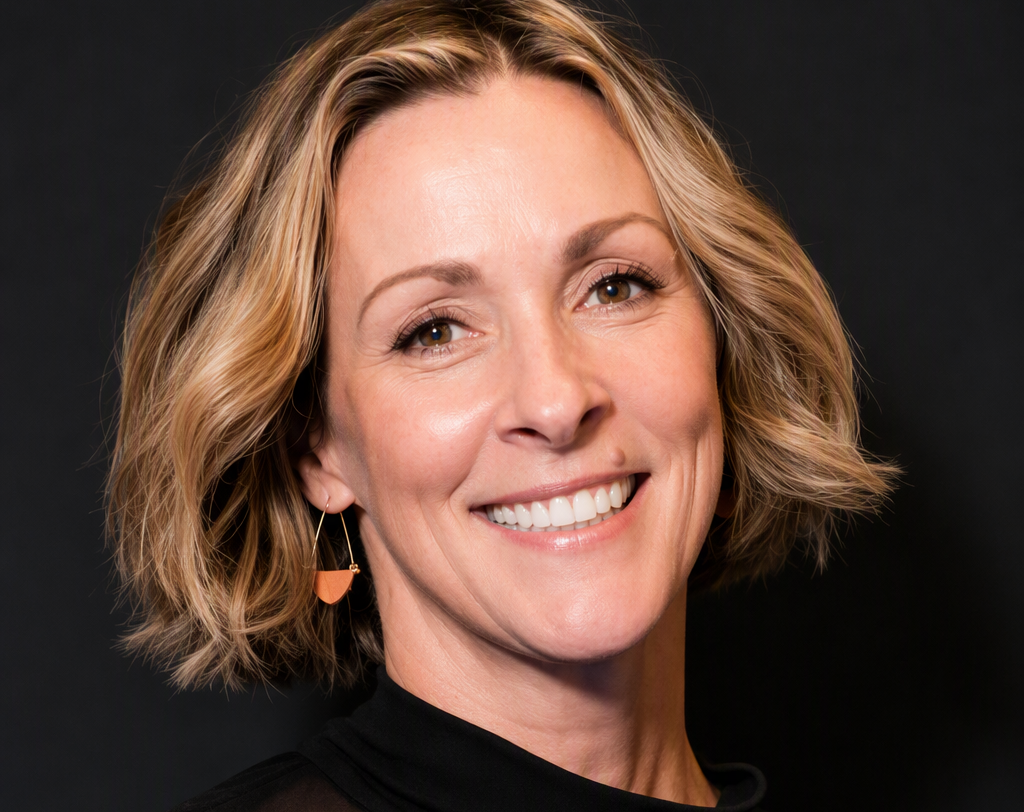
After 12 years as a digital-first skincare brand, Facetheory has made its UK store debut in Boots. Esselle Group founder Suraj Lalvani shares why physical retail is central to the brand’s turnaround — and why being everywhere the customer is now matters more than chasing the latest social media trend.

Facetheory’s arrival on Boots shelves is more than a distribution deal. Lalvani stresses it is the clearest proof yet that the skincare business has been stabilised, and is ready to grow again.

Esselle acquired Facetheory in July 2025 through what Lalvani describes as a “distressed pre-pack deal”. The previous business had expanded rapidly before and during the pandemic, but its fortunes later deteriorated. The new owner inherited, he says, “a very, very messy, disorganised position” and has spent the past 15 months rebuilding the operating foundations.

“Turnarounds in general cases in businesses are not quick at the best of times. It takes determination. It takes resilience. But more than anything, it takes patience,” he shares.

Boots as a proof point

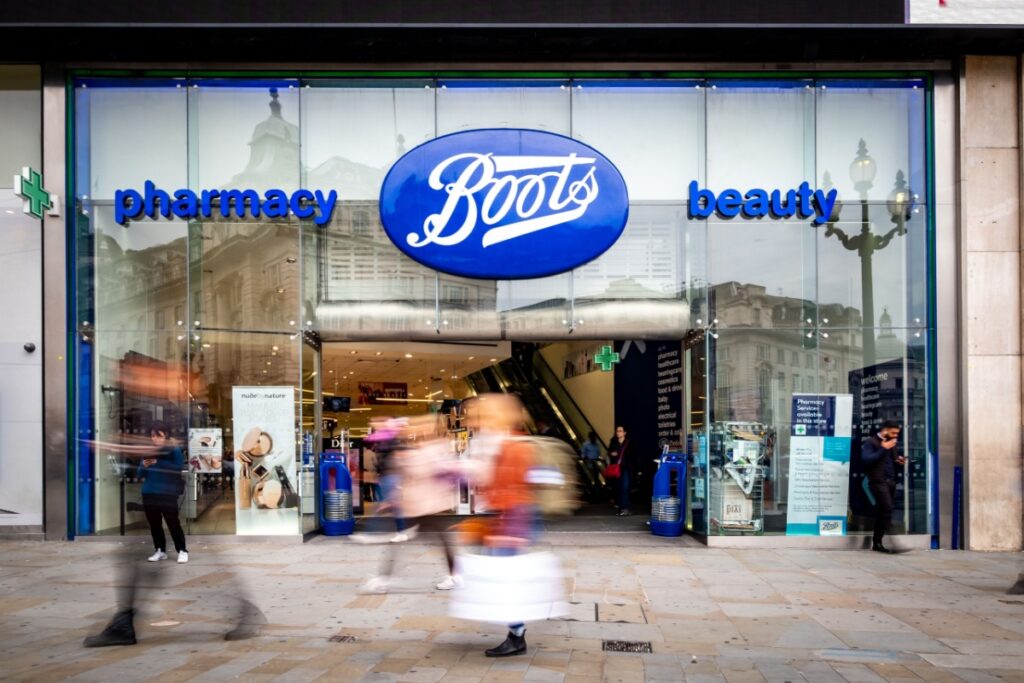
The Boots launch puts Facetheory into 224 stores under the premium skincare banner — a scale Lalvani characterises as unusually large for a challenger-brand “trial”. It is also the first time the 12-year-old brand has appeared on shelves across the UK, after building a direct-to-consumer customer base of more than 700,000.

“We would not have launched with a partner like Boots, and that too in 220-plus stores in this grand way, if we didn’t feel that our infrastructure was stable enough to support that,” he notes. “The proof point for me is the launch with Boots.”

Facetheory will remain rooted in DTC, which gives it a direct line to customer feedback, but Lalvani believes the economics and customer expectations of the post-pandemic market demand a broader model. “We will be DTC primarily, but we recognise a very, very strong omnichannel business approach — and hence moving into Boots now is that obvious move for us.”

Discovery, trust and experience

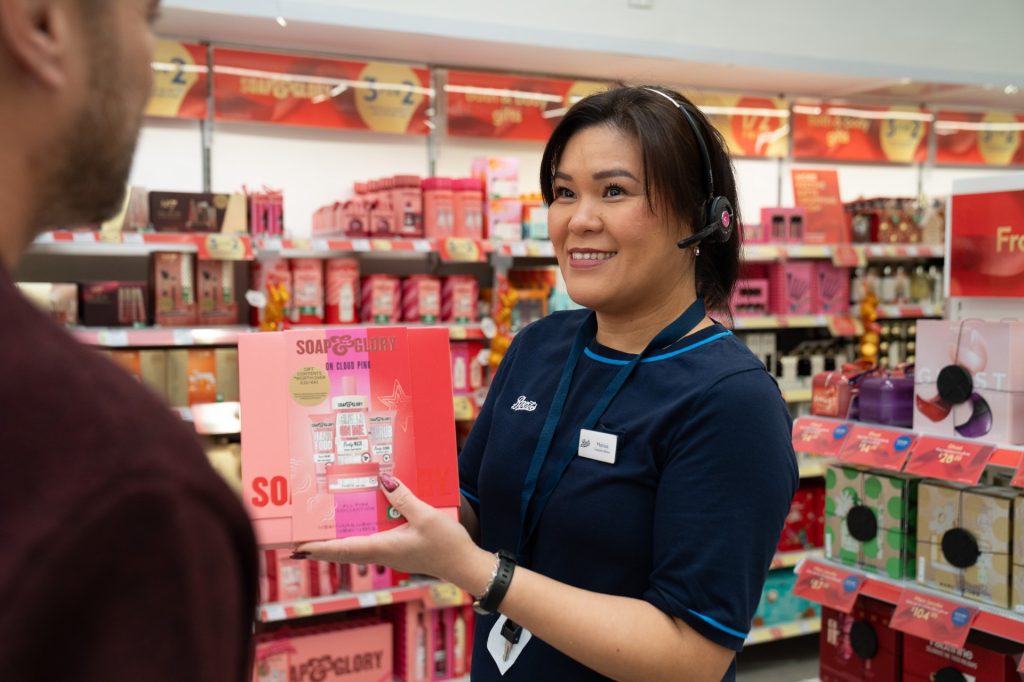
Lalvani argues that stores unlock three things a screen cannot fully reproduce: discovery, trust and experience. In a Boots store, shoppers can see the product, test its texture and fragrance, speak to an adviser and make an impulse purchase. For Facetheory, whose average basket is around £40, that physical reassurance matters.

“Being in retail builds confidence in a way that I don’t believe a screen can,” he says. “Despite the evolution of AI and all the digital tools and bells and whistles you can get for your websites, physical retail offers something that you just can’t replicate online.”

That calculation also explains why Facetheory is not pouring its energy into TikTok, despite the platform’s importance to beauty. Lalvani is wary of brands becoming dependent on one channel, being lost in the noise and facing acquisition economics that no longer resemble the pandemic boom years.

“We’ve made the decision actually to go into retail stores versus ploughing a lot more effort and time into the digital ether,” he adds.

The retail launch is being supported by in-person activations in London [04 November] and Bristol [07 November]. Lalvani says the events serve existing fans, introduce new shoppers to the brand and drive traffic to Boots.

“Our community has been built over 12 years, almost entirely through screens, so these events are about bringing the brand to life in-person,” he says.

The Boots campaign You Put Us Here  has been designed to be “a nod” and real display of appreciation to all the loyal community members and customers that have been with Facetheory through this journey.
Lalvani is excited to “bring that community together in real life”. More events and partnerships are planned, from dinners and run clubs to wellness collaborations.
Lalvani believes this combination is what omnichannel now means: “It’s digital, it’s events and it’s being on shelf. It’s trying to do all three.”

A science-led British brand

Even as its channel mix changes, Lalvani says Facetheory will hold firmly to three foundations: UK design, formulation and manufacturing; a close DTC relationship with customers; and science-led product development. The business is already working on its new-product pipeline for 2028 and beyond.

“We’re not a trend-led, celebrity-based brand,” he says. “We’re a very science-focused business. We spend an awful lot of money in our business — a large percentage — on R&D.”

Why the high street still matters

Beauty remains, in Lalvani’s words, “a ruthlessly competitive category”, with challenger brands emerging across skincare, fragrance, haircare, body care and other segments. That makes channel diversification essential — particularly as the cost of reaching customers solely through digital platforms rises.

“No single channel is strong enough,” he says. “You have to be everywhere where your customer is. The high street, for me, is strengthening as a distribution channel.”

The next stage will also take Facetheory beyond the UK. Lalvani sees strong potential in the US, India, Asia-Pacific and the Middle East, arguing that British manufacturing carries significant trust and prestige overseas.

But first, the Boots partnership gives the turnaround a highly visible domestic test — and gives a digital-native brand its first sustained chance to meet shoppers face to face.

Click here to sign up to Retail Gazette‘s free daily email newsletter

Big InterviewEcommerceHealth & BeautyIn-Store

Leave a Reply

Your email address will not be published. Required fields are marked *

Fill out this field
Fill out this field
Please enter a valid email address.

Big InterviewEcommerceHealth & BeautyIn-Store

Share:

Why Facetheory is betting on Boots, bricks and mortar and British beauty

After 12 years as a digital-first skincare brand, Facetheory has made its UK store debut in Boots. Esselle Group founder Suraj Lalvani shares why physical retail is central to the brand’s turnaround — and why being everywhere the customer is now matters more than chasing the latest social media trend.

Facetheory’s arrival on Boots shelves is more than a distribution deal. Lalvani stresses it is the clearest proof yet that the skincare business has been stabilised, and is ready to grow again.

Esselle acquired Facetheory in July 2025 through what Lalvani describes as a “distressed pre-pack deal”. The previous business had expanded rapidly before and during the pandemic, but its fortunes later deteriorated. The new owner inherited, he says, “a very, very messy, disorganised position” and has spent the past 15 months rebuilding the operating foundations.

“Turnarounds in general cases in businesses are not quick at the best of times. It takes determination. It takes resilience. But more than anything, it takes patience,” he shares.

Boots as a proof point

The Boots launch puts Facetheory into 224 stores under the premium skincare banner — a scale Lalvani characterises as unusually large for a challenger-brand “trial”. It is also the first time the 12-year-old brand has appeared on shelves across the UK, after building a direct-to-consumer customer base of more than 700,000.

“We would not have launched with a partner like Boots, and that too in 220-plus stores in this grand way, if we didn’t feel that our infrastructure was stable enough to support that,” he notes. “The proof point for me is the launch with Boots.”

Facetheory will remain rooted in DTC, which gives it a direct line to customer feedback, but Lalvani believes the economics and customer expectations of the post-pandemic market demand a broader model. “We will be DTC primarily, but we recognise a very, very strong omnichannel business approach — and hence moving into Boots now is that obvious move for us.”

Discovery, trust and experience

Lalvani argues that stores unlock three things a screen cannot fully reproduce: discovery, trust and experience. In a Boots store, shoppers can see the product, test its texture and fragrance, speak to an adviser and make an impulse purchase. For Facetheory, whose average basket is around £40, that physical reassurance matters.

“Being in retail builds confidence in a way that I don’t believe a screen can,” he says. “Despite the evolution of AI and all the digital tools and bells and whistles you can get for your websites, physical retail offers something that you just can’t replicate online.”

That calculation also explains why Facetheory is not pouring its energy into TikTok, despite the platform’s importance to beauty. Lalvani is wary of brands becoming dependent on one channel, being lost in the noise and facing acquisition economics that no longer resemble the pandemic boom years.

“We’ve made the decision actually to go into retail stores versus ploughing a lot more effort and time into the digital ether,” he adds.

The retail launch is being supported by in-person activations in London [04 November] and Bristol [07 November]. Lalvani says the events serve existing fans, introduce new shoppers to the brand and drive traffic to Boots.

“Our community has been built over 12 years, almost entirely through screens, so these events are about bringing the brand to life in-person,” he says.

The Boots campaign You Put Us Here  has been designed to be “a nod” and real display of appreciation to all the loyal community members and customers that have been with Facetheory through this journey.
Lalvani is excited to “bring that community together in real life”. More events and partnerships are planned, from dinners and run clubs to wellness collaborations.
Lalvani believes this combination is what omnichannel now means: “It’s digital, it’s events and it’s being on shelf. It’s trying to do all three.”

A science-led British brand

Even as its channel mix changes, Lalvani says Facetheory will hold firmly to three foundations: UK design, formulation and manufacturing; a close DTC relationship with customers; and science-led product development. The business is already working on its new-product pipeline for 2028 and beyond.

“We’re not a trend-led, celebrity-based brand,” he says. “We’re a very science-focused business. We spend an awful lot of money in our business — a large percentage — on R&D.”

Why the high street still matters

Beauty remains, in Lalvani’s words, “a ruthlessly competitive category”, with challenger brands emerging across skincare, fragrance, haircare, body care and other segments. That makes channel diversification essential — particularly as the cost of reaching customers solely through digital platforms rises.

“No single channel is strong enough,” he says. “You have to be everywhere where your customer is. The high street, for me, is strengthening as a distribution channel.”

The next stage will also take Facetheory beyond the UK. Lalvani sees strong potential in the US, India, Asia-Pacific and the Middle East, arguing that British manufacturing carries significant trust and prestige overseas.

But first, the Boots partnership gives the turnaround a highly visible domestic test — and gives a digital-native brand its first sustained chance to meet shoppers face to face.

Click here to sign up to Retail Gazette‘s free daily email newsletter

Social


SUBSCRIBE TO OUR DAILY NEWSLETTER

  • This field is for validation purposes and should be left unchanged.
Big InterviewEcommerceHealth & BeautyIn-Store

Leave a Reply

Your email address will not be published. Required fields are marked *

Fill out this field
Fill out this field
Please enter a valid email address.

RELATED STORIES

Latest Feature


Menu

What’s working in UK stores right now

Read by Store Directors, Head of Retail, and Operations Managers across UK retail.

In-Store Weekly NL Form

  • This field is for validation purposes and should be left unchanged.


Please enter the verification code sent to your email: