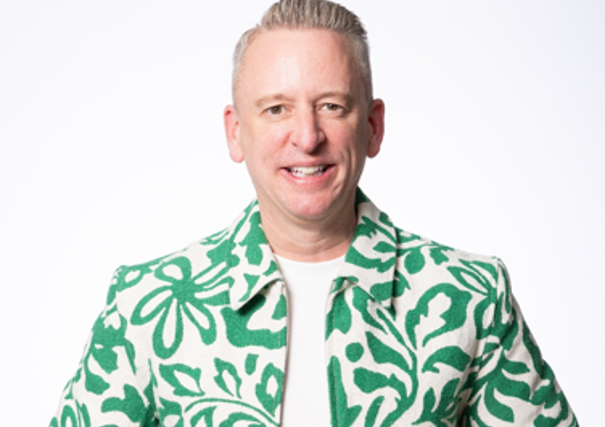



Katie Hanlon, global category lead – pharmacy, health & beauty, at Just Eat Takeaway.com describes the fast delivery firm’s expansion of products beyond food as the “natural next step rather than a big leap”.
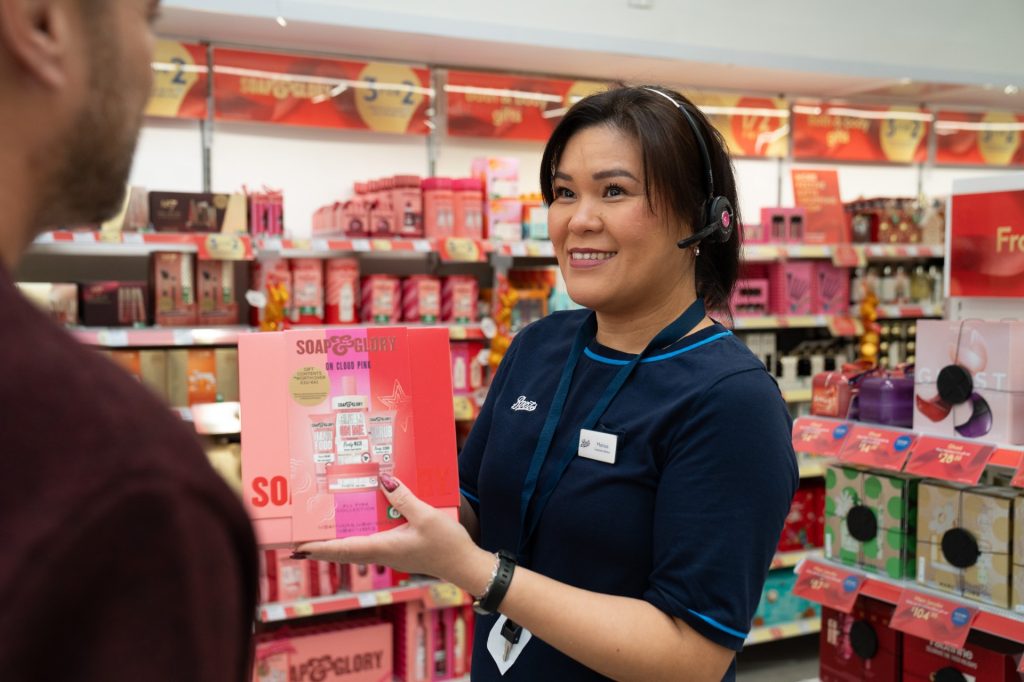
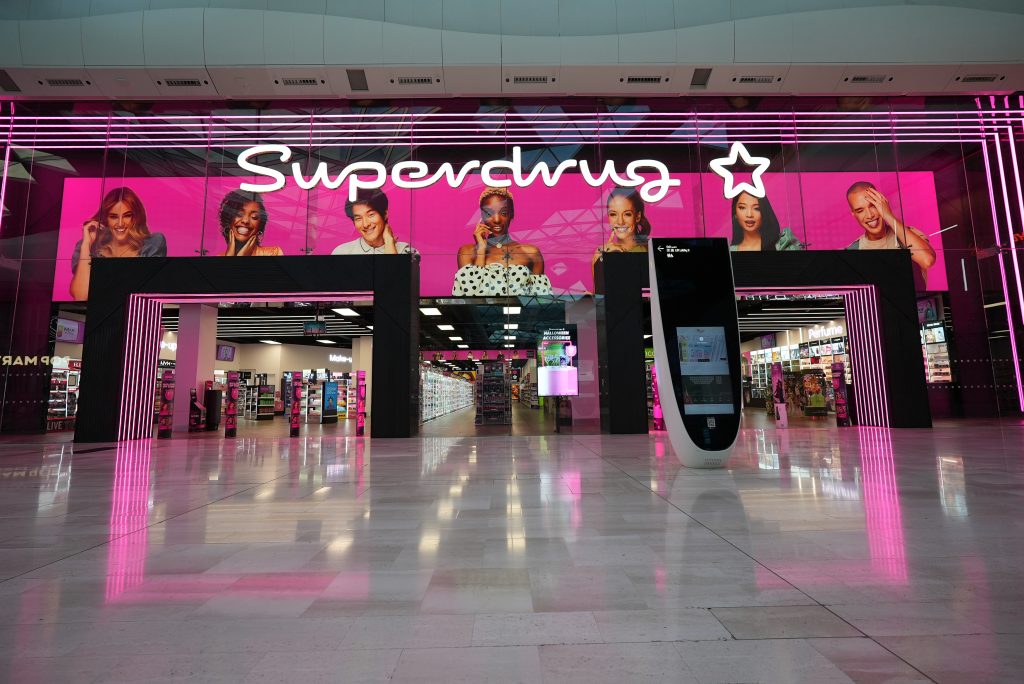
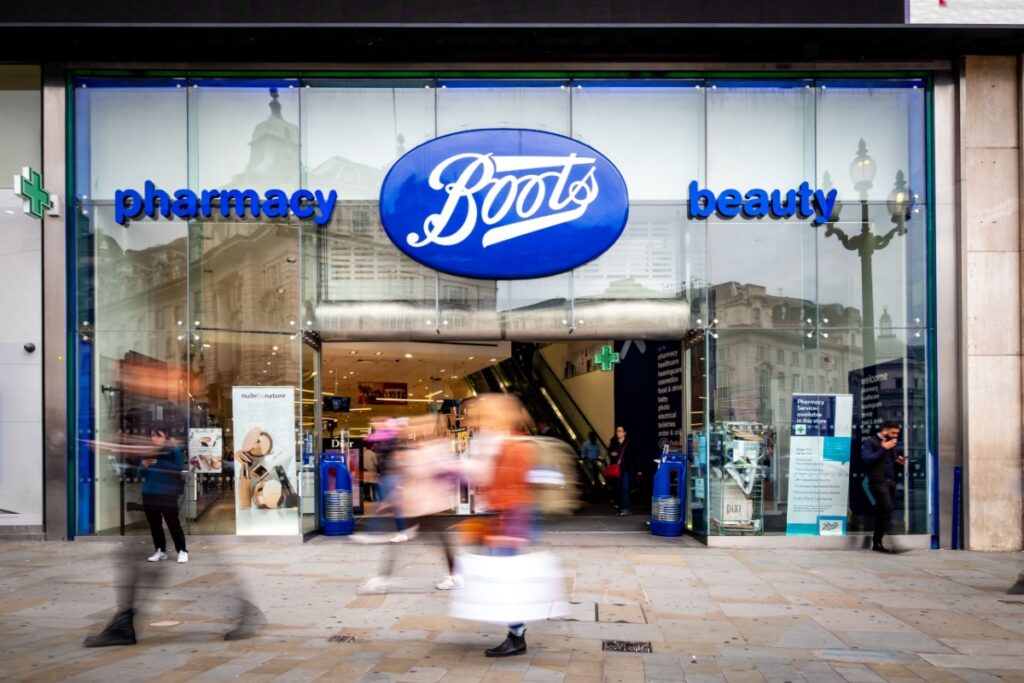
High street giants, such as Boots, have joined the platform over the past few years, offering consumers the chance to get health, wellness and beauty products within 30 minutes. It was the introduction of Superdrug in November 2025, with full rollout in March this year, that Hanlon sees as “a huge milestone”.
“They were the most-searched high street retailer on Just Eat in the UK that wasn’t yet on the platform. So, the demand signal was already there before we even launched. That’s proven the opportunity is very real.”
This real opportunity is bolstered by Just Eat’s existing infrastructure, “the tech platform, the couriers, the customers” are already in place.
“Health & beauty is a natural fit for quick commerce because it’s high-frequency, impulse-driven and time-sensitive,” says Hanlon. She gives last-minute gifts, unexpected situations, or “running out of your favourite lipstick before a night out” as examples.
Social impact
The consumer demand for fast on-demand delivery of such items reflects a broader beauty trend. Hanlon explains: “Platforms like TikTok have fundamentally changed how people discover and shop for beauty; when something goes viral, people want it now, not in two days.”
Related Story

She adds: “That shift towards instant gratification has created a real opening for quick commerce, and we’re the bridge between that impulse moment and the product actually being in someone’s hands within 30 minutes.
“Mission-led categories are where we really see the magic. “Last Minute Glam” (everything you need for a night out) drives a completely different basket to “Everyday Essentials,” which is more about incrementality.
“These are orders retailers simply wouldn’t have captured through their own channels or a planned shopping trip. We also have the capacity to respond to changes in demand very fast. If something goes viral overnight, we can have the assortment updated and the product surfaced to the right customers within minutes, not weeks.”
 Investment in the consumer experience has been central to Just Eat’s proposition. It has placed a real focus on making online browsing feel intuitive and category-specific for health and beauty shoppers.
That means reducing friction around the details that matter most, from shade variants and sizing to medicine-related information, so customers can make more confident purchasing decisions via the platform.
This confidence could led to substantial spending, Just Eat has witnessed “beauty hauls up to £1,200 – larger than any food order on the platform”.
Hanlon clarifies that health & beauty customers are both higher frequency and higher spending than its typical food delivery customer: “But perhaps the biggest opportunity is how the two categories work together.
“Our top-up shop functionality means a customer can order their Friday night dinner and add a last-minute mascara or a pain reliever to the same basket. That cross-category behaviour is where we see real incrementality, and it’s a great showcase of the convenience our platform can bring,” she adds.
Working the network
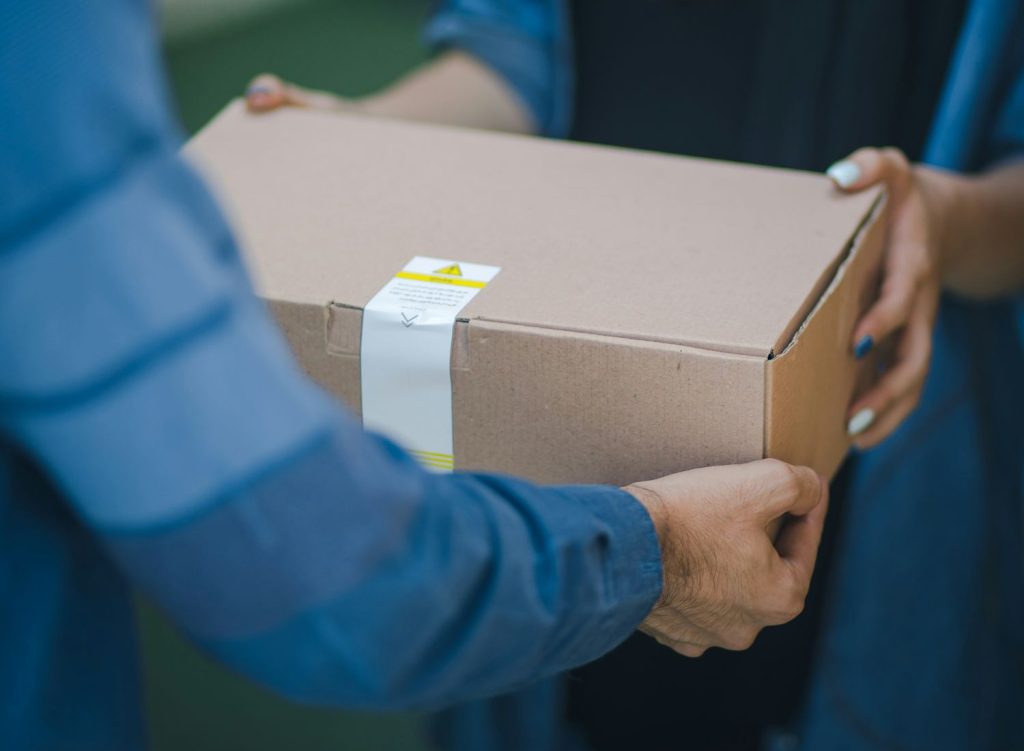
Ensuring seamless delivery of this convenience means Just Eat has had to rethink some operations beyond the food-led models that shaped the quick commerce market. Unlike grocery or takeaway fulfilment, cosmetics, skincare and wellness products bring added complexity around picking accuracy, packaging, handling and product protection, particularly when items are fragile, premium, small-format or temperature-sensitive.
“Our tech has to do the heavy lifting here because these products trigger an entirely different process in our platform,” she notes. “From discretely packing self-care items to briefing the courier when picking up a liquid foundation, everything is coordinated in real time behind the scenes.”
Being discrete is especially important for some product categories – the platform delivered 91,000 pregnancy tests in the past 12 months alone. “Some products come with requirements that food simply doesn’t have,” she notes.
“On the upside, non-food orders tend to be smaller and lighter, which actually improves courier efficiency, particularly during off-peak hours when we’d otherwise have excess capacity. It also opens up new dayparts entirely for our logistics network.

“We work with pharmacies that operate 24 hours, where we see strong demand for children’s medicines, and we’re trialling Superdrug locations open until 2am to tap into that late-night demand.
“Non-food isn’t just a category expansion; it’s making our whole network work harder,” explains Hanlon.
Convenience is no longer a differentiator
Adapting on-demand networks is not just an operational exercise; it also changes how the channel should be understood commercially. Once fulfilment models are built around balancing the specific demands of beauty with other quick commerce categories, its full potential can be seen.
“On-demand should be considered a channel in its own right, not simply an extension of an existing omnichannel proposition. It has its own customer missions, its own purchase triggers, and its own growth journey. The shift in customer mindset is significant,” says Hanlon.
“Convenience is no longer a differentiator; it’s a basic expectation. The question for retailers now is how quickly they can meet that demand. For our partners, rapid delivery unlocks genuinely incremental revenue, reaching customers in moments of unplanned need that no other channel can capture.”
This makes quick commerce perfect for a wide range of categories such as electronics, pet care, and even flowers.
“The question we always ask is: does the need for immediacy match our delivery model? If the answer is yes, it’s worth exploring,” she concludes.
Click here to sign up to Retail Gazette‘s free daily email newsletter