

For many retailers and brands, retaining their consumer base has been getting harder and harder. With constant competition from huge ecommerce platforms and social media platforms, retailers need new ways to entice shoppers.
One way of doing so is a loyalty scheme. Loyalty schemes were designed to help businesses retain consumers by offering them perks for continued custom.
And they’ve become very popular over the last few years. Everyone from Boots to Sephora to British Airways seems to have one. But in today’s landscape of apps, digital cards, platinum plus and point cards, how can one stand out?
We asked retail marketing leaders and experts how they have implemented loyalty schemes to increase sales.
Havas Market recently aided a major UK airline in launching a new Rewards Hub that aimed to drive customer loyalty and engagement “in a way that was more innovative than traditional point schemes”.
The firm’s managing director Alex Walker says: “Instead of just rewarding transactions, we wanted to create ongoing touchpoints that keep customers engaged with the brand even when they’re not actively booking travel.”
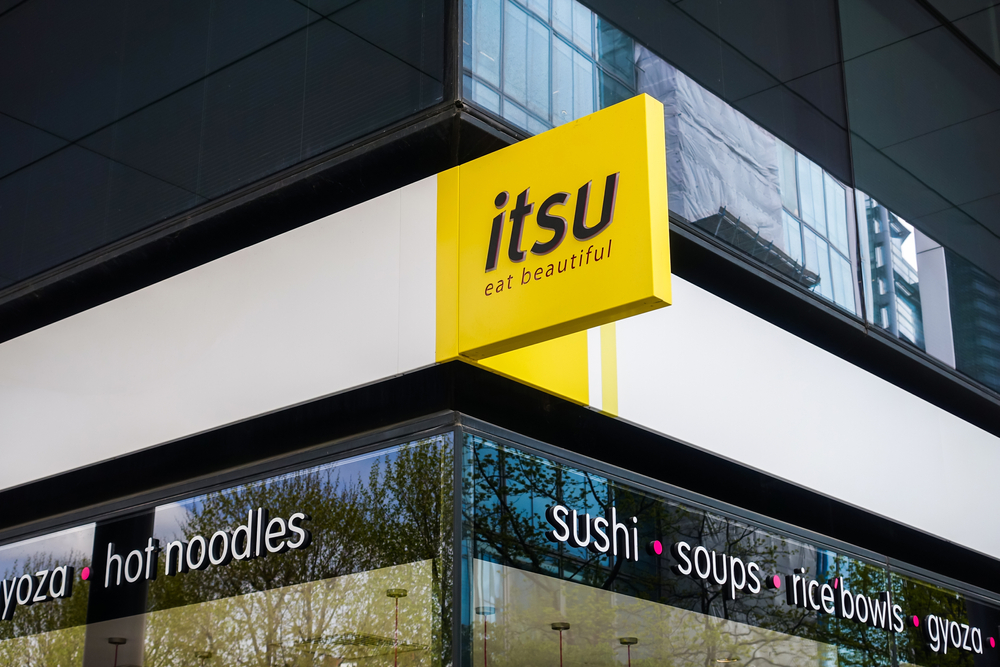
And UK airlines aren’t the only ones trying to move away from points schemes, food-to-go retailer Itsu recently updated its loyalty scheme as a way to give back to its consumers.
Annabel Mackie, marketing director for the brand, explains that they wanted to go “above and beyond” for their loyal customers.
One new updated feature is that customers now have a greater choice over their rewards. When a consumer downloads the company’s app, they get the choice between a miso or an edamame dish.
They also earn butterfly stamps for each visit, and when you collect three, you get the choice of any snack or any cold drink. At stamp five, shoppers can choose between a free gyoza or a bao dish. On stamp seven, consumers can still receive a free meal.
She says: “We’ve also increased the overall generosity of the loyalty proposition at each stage, whilst layering in that all-important choice too. Our loyal customers get gifts on their birthdays, double butterflies on evening transactions, and app-exclusive prices on certain products throughout the year.”
Melissa Minkow, global director, retail strategy and insights at global technology company CI&T, also worked on increasing loyalty for a major unnamed food and beverage brand.
She explains that one way CI&T helped the firm to increase its loyalty was by improving its website and app interfaces.
Related Story

Minkow adds: “By enhancing the CX to be more intuitive and making all options easier to see and add to the basket, we addressed friction within the purchase journey.”
“Brands must utilise several loyalty levers to win consumers over in this hypercompetitive environment. The first two levers are assortment and price. Our data repeatedly shows that offering what consumers want is non-negotiable, as well as delivering prices they are comfortable paying. However, even when those fundamentals are in place, friction in the journey will still undermine the experience.”
Mackie adds:”We pride ourselves on delivering great hospitality in our restaurants, which is a key part of building true loyalty.”
As part of its pledge to deliver great hospitality, Itsu launched free fortune cookies. These cookies can be handed out by team members to customers as a gesture of kindness, she explains.
Inside the cookies, shoppers can find quotes, sayings and £1000 gift for a select few lucky guests each year.
Mackie explains that the initial results from its programme were “incredibly positive”.
She says: “We’re breaking weekly records and seeing upward trends in frequency. Pleasingly, there is a reactivation of previous loyal customers as well as new customers downloading the app, illustrating appeal to our existing loyal customers whilst attracting new users to the scheme too.
Walker agrees, explaining that the airline saw positive results from the launch of the scheme: “Customers may only be interested in booking a holiday a handful of times a year. But having a Rewards Hub in the app means they’re regularly engaging with the brand in a positive way, which has led to real improvements in brand consideration.”
Minkow comments: “By improving the experience, we enabled our client to reach a new order-per-minute record and raise their customer satisfaction levels.
“Shopping cart abandonment is still very possible if the purchase journey has any friction whatsoever, as efficiency is a top priority for consumers. You can have exactly what the shopper needs, when they need it, at a reasonable price, but if they can’t order it efficiently, you’ll lose them.
Mackie adds: “We also boosted downloads this December with an app competition where one lucky customer won free Itsu for the whole of 2026.”
She comments: “It’s too soon to call out any big surprises, but what has been great is the positive feedback we’ve had from our customers and our shop teams. We will strive to constantly surprise and delight our customers, whether that is in our restaurants or in their digital experience of Itsu.
Walker, when explaining the results of his travel scheme, agreed, stating it was early days, but feedback had been “largely positive”.
He says: “What’s been interesting is we’ve already seen interest from a variety of sectors who are looking to implement this solution themselves.”
Minkow explains that the work highlights how important CX is when it comes to loyalty.
She says: “Even when assortment and price are right, friction in the journey can undo the experience. It highlighted that experience should be treated as a primary loyalty lever alongside more traditional mechanisms.”
Click here to sign up to Retail Gazette‘s free daily email newsletter