Discounters to lead global grocery growth through to 2030, IGD says

Aldi
GroceryNews

Discounters will remain the fastest-growing physical grocery channel globally through to 2030, with annual growth expected to outpace the wider grocery market, according to new research from IGD.

Analysis from IGD’s Global discount trends 2026 report found the discount channel will grow at a compound annual growth rate of 4.8 per cent to 2030, almost a full percentage point ahead of the wider grocery market’s 4.0 per cent.

The research said growth will be fuelled by sustained shopper demand for value, continued store expansion, and increasing momentum behind product and operational innovation.

Dan Butler, insight partner at IGD, said: “Once seen as low-cost outliers, discounters are now at the cutting edge of retail: innovating at pace and operating tech-enabled, health-forward, sustainability-driven stores.

“With the stigma of discount shopping fading, the channel enters the next phase of economic recovery with a stronger brand image and greater resilience to shifts in shopper spending power.”

By 2030, discounters are expected to account for 9.7 per cent of global grocery sales, adding $209bn (around £156bn) in new revenue.

Europe is set to remain the heartland of discount retail, where the channel will hold a 23.6 per cent share of the grocery market. However, IGD said growth hotspots will also emerge in the US, Russia and Poland, where discounters are forecast to gain share and scale quickly.

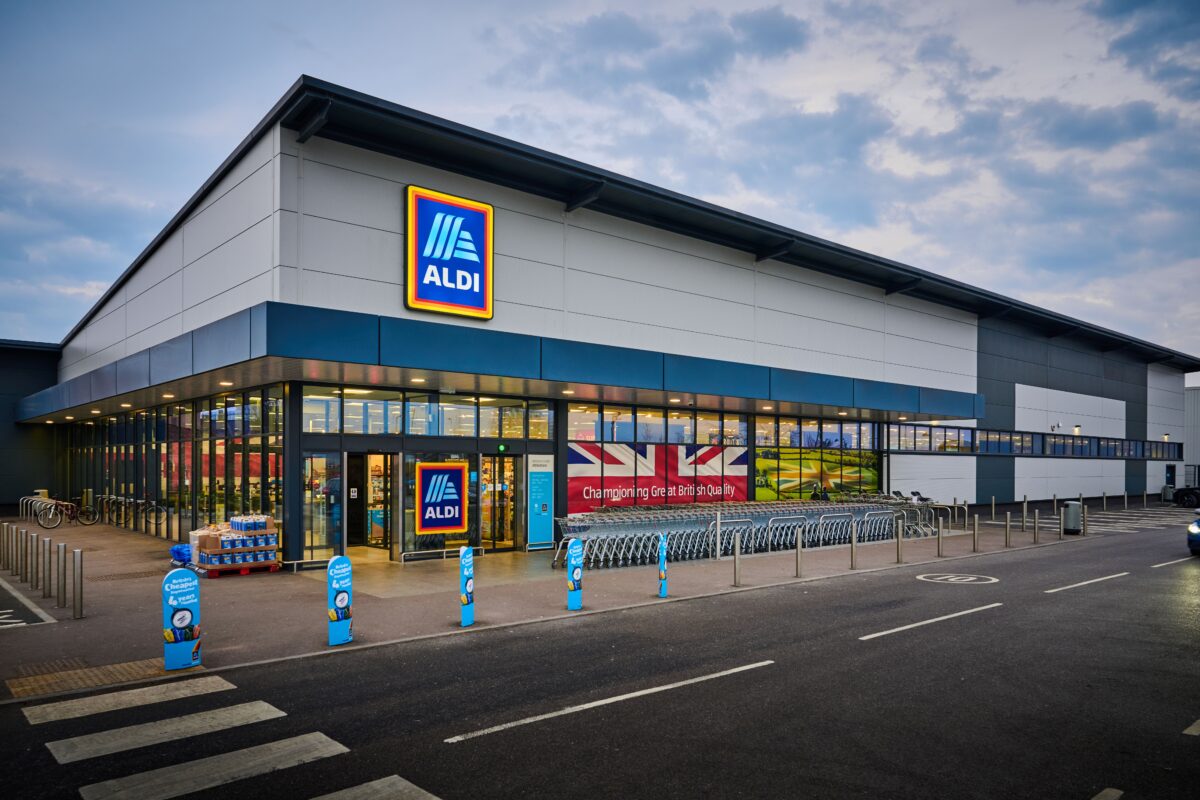
The report said the global grocery landscape will continue to shift as major players including Aldi and Lidl expand further. Together, the two retailers are projected to generate a combined $334bn (about £249bn) in sales by 2030.

According to IGD, growth for the two discount giants will be driven by continued investment in private label, Aldi Süd’s expansion in the US, and Lidl’s data-led pricing and loyalty ecosystem in Europe.

The report also found that variety discounters, including Action in Europe and Dollar Tree in the US and Canada, are expected to grow even faster than food-focused discount formats, with a CAGR of 6.3 per cent through to 2030.

IGD said this growth will be driven by demand for non-food value, impulse purchasing and rising private-label penetration.

The report identified four interconnected trends shaping the future of discount retail.

Under “value without compromise”, discounters are broadening their value proposition beyond price by putting greater emphasis on quality, private-label development and the overall shopping experience. IGD pointed to Penny in Austria, which has introduced new store layouts with wider aisles to improve navigation.

To drive footfall and frequency, operators are using promotions, loyalty schemes, non-food ranges and improved in-store experiences to attract shoppers and keep them coming back more often. In the US, Grocery Outlet used livestreams ahead of the Super Bowl to showcase products that shoppers could browse and buy via Instacart while watching.

IGD also said discounters are increasingly focused on “making health affordable”, offering clearer guidance, broader assortments and simpler navigation to help shoppers make healthier choices. Lidl Spain’s commitment to apply NutriScore to all private-label products this year was highlighted as one example.

On sustainability, the report said discounters are making commitments more visible through better product transparency, waste reduction initiatives and circularity principles. In Germany, Netto Marken-Discount’s use of Digimarc packaging was cited as an example of sustainability being integrated into the shopper journey.

While technology already underpins much of this progress, IGD said emerging tools such as smart carts and AI agents are likely to accelerate innovation further.

It added that while new technologies can benefit all retailers, discounters are likely to move faster than many competitors because of their lean assortments, private-label control and tightly run operating models.

Butler said the findings should also serve as a signal to suppliers.

“Discounters want partners who can match their pace,” he said. “Suppliers must work more closely with discounters than ever before and actively support their growth by collaborating on efficient supply chains, insight-led innovation, and value-focused product development.”

Click here to sign up to Retail Gazette‘s free daily email newsletter

GroceryNews

Leave a Reply

Your email address will not be published. Required fields are marked *

Fill out this field
Fill out this field
Please enter a valid email address.

GroceryNews

Share:

Discounters to lead global grocery growth through to 2030, IGD says

Aldi

Discounters will remain the fastest-growing physical grocery channel globally through to 2030, with annual growth expected to outpace the wider grocery market, according to new research from IGD.

Analysis from IGD’s Global discount trends 2026 report found the discount channel will grow at a compound annual growth rate of 4.8 per cent to 2030, almost a full percentage point ahead of the wider grocery market’s 4.0 per cent.

The research said growth will be fuelled by sustained shopper demand for value, continued store expansion, and increasing momentum behind product and operational innovation.

Dan Butler, insight partner at IGD, said: “Once seen as low-cost outliers, discounters are now at the cutting edge of retail: innovating at pace and operating tech-enabled, health-forward, sustainability-driven stores.

“With the stigma of discount shopping fading, the channel enters the next phase of economic recovery with a stronger brand image and greater resilience to shifts in shopper spending power.”

By 2030, discounters are expected to account for 9.7 per cent of global grocery sales, adding $209bn (around £156bn) in new revenue.

Europe is set to remain the heartland of discount retail, where the channel will hold a 23.6 per cent share of the grocery market. However, IGD said growth hotspots will also emerge in the US, Russia and Poland, where discounters are forecast to gain share and scale quickly.

The report said the global grocery landscape will continue to shift as major players including Aldi and Lidl expand further. Together, the two retailers are projected to generate a combined $334bn (about £249bn) in sales by 2030.

According to IGD, growth for the two discount giants will be driven by continued investment in private label, Aldi Süd’s expansion in the US, and Lidl’s data-led pricing and loyalty ecosystem in Europe.

The report also found that variety discounters, including Action in Europe and Dollar Tree in the US and Canada, are expected to grow even faster than food-focused discount formats, with a CAGR of 6.3 per cent through to 2030.

IGD said this growth will be driven by demand for non-food value, impulse purchasing and rising private-label penetration.

The report identified four interconnected trends shaping the future of discount retail.

Under “value without compromise”, discounters are broadening their value proposition beyond price by putting greater emphasis on quality, private-label development and the overall shopping experience. IGD pointed to Penny in Austria, which has introduced new store layouts with wider aisles to improve navigation.

To drive footfall and frequency, operators are using promotions, loyalty schemes, non-food ranges and improved in-store experiences to attract shoppers and keep them coming back more often. In the US, Grocery Outlet used livestreams ahead of the Super Bowl to showcase products that shoppers could browse and buy via Instacart while watching.

IGD also said discounters are increasingly focused on “making health affordable”, offering clearer guidance, broader assortments and simpler navigation to help shoppers make healthier choices. Lidl Spain’s commitment to apply NutriScore to all private-label products this year was highlighted as one example.

On sustainability, the report said discounters are making commitments more visible through better product transparency, waste reduction initiatives and circularity principles. In Germany, Netto Marken-Discount’s use of Digimarc packaging was cited as an example of sustainability being integrated into the shopper journey.

While technology already underpins much of this progress, IGD said emerging tools such as smart carts and AI agents are likely to accelerate innovation further.

It added that while new technologies can benefit all retailers, discounters are likely to move faster than many competitors because of their lean assortments, private-label control and tightly run operating models.

Butler said the findings should also serve as a signal to suppliers.

“Discounters want partners who can match their pace,” he said. “Suppliers must work more closely with discounters than ever before and actively support their growth by collaborating on efficient supply chains, insight-led innovation, and value-focused product development.”

Click here to sign up to Retail Gazette‘s free daily email newsletter

Social


SUBSCRIBE TO OUR DAILY NEWSLETTER

  • This field is for validation purposes and should be left unchanged.
GroceryNews

Leave a Reply

Your email address will not be published. Required fields are marked *

Fill out this field
Fill out this field
Please enter a valid email address.

RELATED STORIES

Latest Feature


Menu


Close popup

Please enter the verification code sent to your email: