McDonald’s CEO marketing misstep shows authenticity and ‘corporateness’ don’t mix

Feature ArticlesMarketing

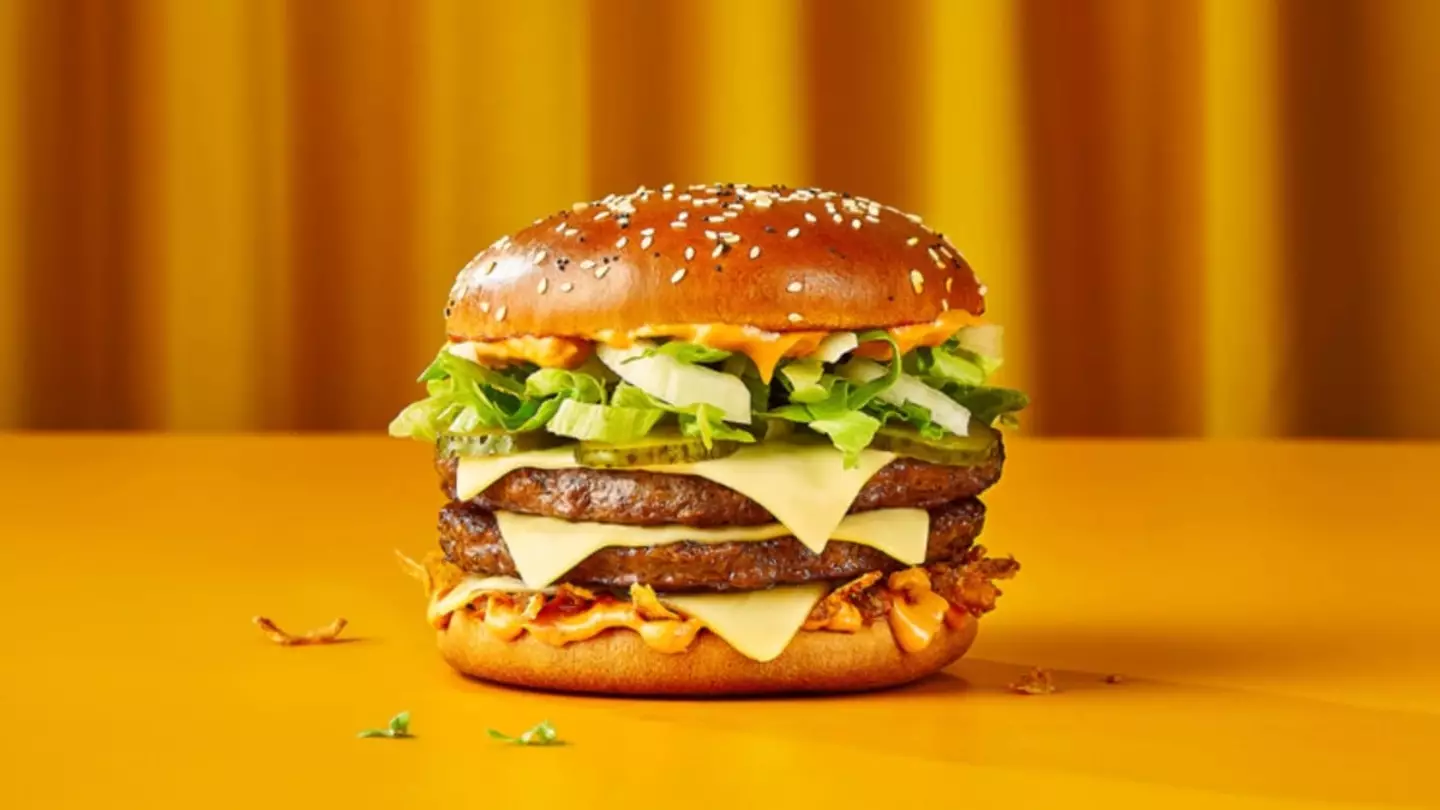
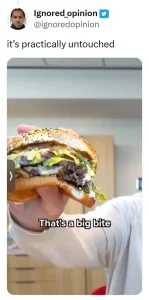
When the CEO of McDonald’s, visibly uncomfortable with a carefully arranged selection of his own food in front of him, took a cautious bite of his company’s latest burger and called it a “delicious product”, the internet had a field day.

Such was the inevitable trajectory of Chris Kempczinski’s promotional video introducing the new Big Arch burger. Intended as a confident, humanising moment ahead of launch, it instead became something of a social media spectacle.

Commenters fixated on the comically absurd corporate phrasing. They mocked the extremely tentative first bite, and the nervous grip of a man who has never double-fisted a Maccies burger on a train home at 2am.

“This dude never ate a burger in his life,” noted one commenter, whilst another added, “He never even swallowed that tiny little bite! Guaranteed he spat out what little he bit off after it cut.”
Oh dear.

The reality is, whilst the video is still doing the rounds on social media, for a brand as culturally embedded as McDonald’s, this is hardly existential. Like so many failed campaigns before it, the video will go down as a funny misstep in a sea of otherwise extremely successful marketing campaigns.

Let’s not forget, this is the brand that caused a riot just weeks ago with the launch of an adult happy meal, replete with tiny figures of ‘Friends’ characters. MacDonald’s will be just fine.

For senior retail marketing leaders, though, this isn’t about whether the Big Arch sells. It’ll sell. Instead, it’s about widening gap between ‘corporateness’ and the public’s thirst for authenticity.

What really jarred in Kempczinski’s faux off-the-cuff review of ‘the product’ was how little he seemed to understand his own brand. The tone, the language, the stiffness with which he sheepishly nibbled at the burger, it was a senior executive trying extremely hard to be ‘relatable’ rather than simply being relatable.

It felt a touch like watching the CEO of a cigarette company trying to figure out what end of a cigarette to put in his mouth. The public aren’t stupid. They know that MacDonald’s is bad for you. They know that there’s a very good chance that the company’s corporate team aren’t scarfing down Mcnuggets for lunch each day.

Corporateness isn’t a crime. In fact, it is, in many contexts, an asset. It signals control, process, accountability. Investors like it. Regulators appreciate it. Boards expect it.

But on social media, any tinge of ‘corporateness’ is kryptonite.

The moment Kempczinski referred to the burger as a “product”, someone on the marketing team should have had the sense to call time-of-death on this idea and move on. Seemingly, no one chose to take this route. But why?

There’s a structural reason this keeps happening, and the answer is that influence at the most senior levels of most business sideline marketing as a leadership skill. The overwhelming majority of Fortune 250 CEOs come from finance or operations backgrounds. Only a small fraction have risen through marketing. That shapes how they speak, how they present and how they conceptualise what they’re holding in their hands.

To a CEO it’s just a product but to a customer, it’s lunch, or the weekly treat meal. Or perhaps the meal that sobers you up on a late-night train on a Friday.

Marketing-led leaders often score higher on reputation metrics precisely because they understand that distinction. They intuitively grasp that language carries cultural weight. That informality cannot be reverse-engineered through a briefing document. That authenticity is not something you ‘activate’ for a campaign.

The irony is that consumers do want transparency from leadership. They do want to see the humans behind the brand. But what they reject (instantly and often ruthlessly) is performance masquerading as personality.

Social platforms are exquisitely tuned to detect insincerity. Not malicious insincerity, just stiffness or over-rehearsal. When corporateness seeps into informal spaces, it creates genuine cognitive dissonance.

The brand might be playful, accessible and culturally fluent in its advertising. But if its most senior representative feels scripted and guarded, audiences sense the mismatch.

McDonald’s will absorb this moment easily. It’s one of the most culturally resilient brands in the world. But the episode sits alongside other recent flashpoints (including the politicised fallout around its collaboration with Stormzy) as evidence that even the most experienced marketers cannot control how authenticity is interpreted.

The lesson isn’t to necessarily sideline CEOs, and nor is it to avoid cultural risk.

The lesson is that authenticity and corporateness operate on different frequencies. And for retail brands trying to feel human and relatable in a hyper-connected world, if you’re going to show up as a person, you have to sound like one. Otherwise the internet can, and will, rip you to shreds. 

Click here to sign up to Retail Gazette‘s free daily email newsletter

Feature ArticlesMarketing

Leave a Reply

Your email address will not be published. Required fields are marked *

Fill out this field
Fill out this field
Please enter a valid email address.

McDonald’s CEO marketing misstep shows authenticity and ‘corporateness’ don’t mix

When the CEO of McDonald’s, visibly uncomfortable with a carefully arranged selection of his own food in front of him, took a cautious bite of his company’s latest burger and called it a “delicious product”, the internet had a field day.

Such was the inevitable trajectory of Chris Kempczinski’s promotional video introducing the new Big Arch burger. Intended as a confident, humanising moment ahead of launch, it instead became something of a social media spectacle.

Commenters fixated on the comically absurd corporate phrasing. They mocked the extremely tentative first bite, and the nervous grip of a man who has never double-fisted a Maccies burger on a train home at 2am.

“This dude never ate a burger in his life,” noted one commenter, whilst another added, “He never even swallowed that tiny little bite! Guaranteed he spat out what little he bit off after it cut.”

Oh dear.

The reality is, whilst the video is still doing the rounds on social media, for a brand as culturally embedded as McDonald’s, this is hardly existential. Like so many failed campaigns before it, the video will go down as a funny misstep in a sea of otherwise extremely successful marketing campaigns.

Let’s not forget, this is the brand that caused a riot just weeks ago with the launch of an adult happy meal, replete with tiny figures of ‘Friends’ characters. MacDonald’s will be just fine.

For senior retail marketing leaders, though, this isn’t about whether the Big Arch sells. It’ll sell. Instead, it’s about widening gap between ‘corporateness’ and the public’s thirst for authenticity.

What really jarred in Kempczinski’s faux off-the-cuff review of ‘the product’ was how little he seemed to understand his own brand. The tone, the language, the stiffness with which he sheepishly nibbled at the burger, it was a senior executive trying extremely hard to be ‘relatable’ rather than simply being relatable.

It felt a touch like watching the CEO of a cigarette company trying to figure out what end of a cigarette to put in his mouth. The public aren’t stupid. They know that MacDonald’s is bad for you. They know that there’s a very good chance that the company’s corporate team aren’t scarfing down Mcnuggets for lunch each day.

Corporateness isn’t a crime. In fact, it is, in many contexts, an asset. It signals control, process, accountability. Investors like it. Regulators appreciate it. Boards expect it.

But on social media, any tinge of ‘corporateness’ is kryptonite.

The moment Kempczinski referred to the burger as a “product”, someone on the marketing team should have had the sense to call time-of-death on this idea and move on. Seemingly, no one chose to take this route. But why?

There’s a structural reason this keeps happening, and the answer is that influence at the most senior levels of most business sideline marketing as a leadership skill. The overwhelming majority of Fortune 250 CEOs come from finance or operations backgrounds. Only a small fraction have risen through marketing. That shapes how they speak, how they present and how they conceptualise what they’re holding in their hands.

To a CEO it’s just a product but to a customer, it’s lunch, or the weekly treat meal. Or perhaps the meal that sobers you up on a late-night train on a Friday.

Marketing-led leaders often score higher on reputation metrics precisely because they understand that distinction. They intuitively grasp that language carries cultural weight. That informality cannot be reverse-engineered through a briefing document. That authenticity is not something you ‘activate’ for a campaign.

The irony is that consumers do want transparency from leadership. They do want to see the humans behind the brand. But what they reject (instantly and often ruthlessly) is performance masquerading as personality.

Social platforms are exquisitely tuned to detect insincerity. Not malicious insincerity, just stiffness or over-rehearsal. When corporateness seeps into informal spaces, it creates genuine cognitive dissonance.

The brand might be playful, accessible and culturally fluent in its advertising. But if its most senior representative feels scripted and guarded, audiences sense the mismatch.

McDonald’s will absorb this moment easily. It’s one of the most culturally resilient brands in the world. But the episode sits alongside other recent flashpoints (including the politicised fallout around its collaboration with Stormzy) as evidence that even the most experienced marketers cannot control how authenticity is interpreted.

The lesson isn’t to necessarily sideline CEOs, and nor is it to avoid cultural risk.

The lesson is that authenticity and corporateness operate on different frequencies. And for retail brands trying to feel human and relatable in a hyper-connected world, if you’re going to show up as a person, you have to sound like one. Otherwise the internet can, and will, rip you to shreds. 

Click here to sign up to Retail Gazette‘s free daily email newsletter

Social


SUBSCRIBE TO OUR DAILY NEWSLETTER

  • This field is for validation purposes and should be left unchanged.
Feature ArticlesMarketing

Leave a Reply

Your email address will not be published. Required fields are marked *

Fill out this field
Fill out this field
Please enter a valid email address.

RELATED STORIES

Latest Feature


Menu


Close popup

Please enter the verification code sent to your email: