



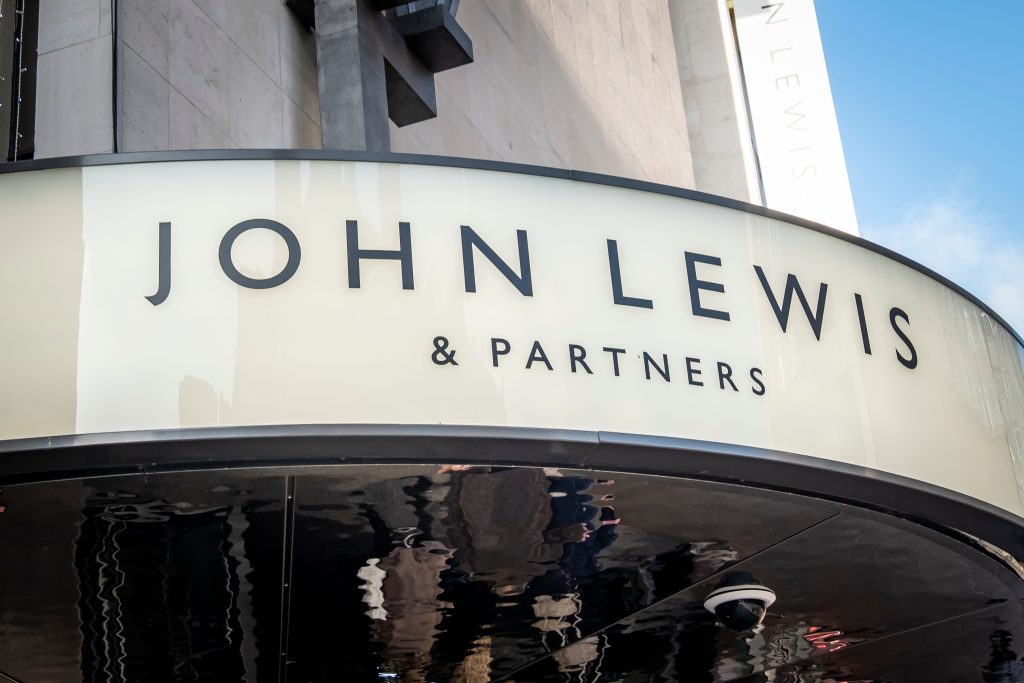
John Lewis is facing a High Court dispute with the owner of Brent Cross shopping centre over whether online orders collected in-store should be counted towards its store turnover rent.
Hammerson and Standard Life Investments, the current and former owners of the North London shopping centre, are seeking clarification on whether click-and-collect sales should be included in the retailer’s rent calculations, despite the lease being agreed decades before online shopping became a major part of retail.
The case centres on John Lewis’ 125-year lease at Brent Cross, agreed in 1979, which includes a “turnover rent” provision on top of its base rent of £30,000 a year.
Under the lease terms, John Lewis must pay 0.75 per cent of gross receipts when annual turnover exceeds £4m, rising to one per cent when sales pass £10m.
The landlords argue that click-and-collect transactions linked to the Brent Cross store should be treated as store income for the purposes of the lease.
The claim points to wording in the original agreement covering “mail, telephone or similar orders” received, filled or directed to the premises, which Hammerson and Standard Life argue should extend to modern online orders collected from the store.
They are also understood to be seeking to include collection charges, such as fees applied to smaller online orders, in the rent calculation.
John Lewis is contesting the claim and argues that click-and-collect sales should not count as store turnover because the transaction is completed when goods leave its distribution centre, rather than when they are picked up by customers in Brent Cross.
John Lewis has been an anchor tenant at Brent Cross since the shopping centre opened in 1976. The site remains one of London’s best-known retail destinations.
Morr & Co partner Kristine Ng said the dispute “centres on the commercial tension built into turnover rent clauses, with landlords seeking to maximise what counts towards turnover and tenants seeking to limit it”.
“The question before the court is whether wording agreed decades ago, long before online retail and click and collect existed, can fairly be applied to today’s trading models,” she said.
Ng added that the case was “not about creating new rules on turnover rent” but instead about how a historic lease should be interpreted.
“The court will look at whether the language used, judged by the standards and commercial context of the time, can legitimately extend to modern retail practices such as click and collect, or whether that pushes the wording further than it was ever intended to go,” she said.
The case was filed in December but has only recently entered the public domain. A ruling could prove significant for other retailers operating under long-term turnover rent leases signed before the rise of ecommerce and click and collect.
Click here to sign up to Retail Gazette‘s free daily email newsletter










1 Comment. Leave new
Is a jaffa cake a cake or a biscuit? Is email the same as letter post and carrier pigeon; what if it is an electronic robotic pigeon? Is the plural of hippopotamus hippopotamususes or hippopotami? Questions to keep lawyers busy for years and make them lots of money from everyone else.