

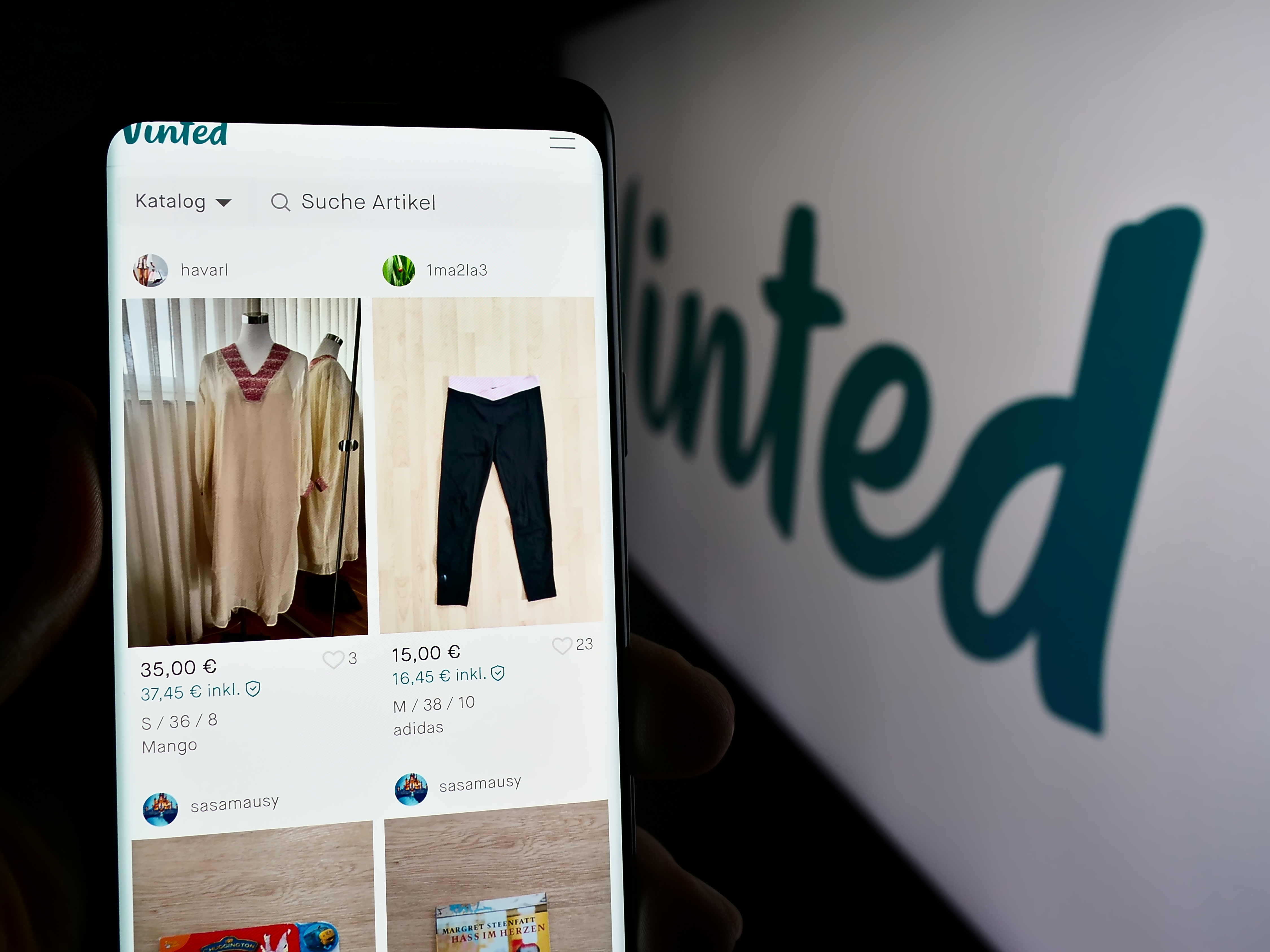
Vinted has said it has found no evidence of criminal activity on its platform after social media users claimed some listings were coded adverts linked to child trafficking.
Screenshots of listings, mostly for toys, have circulated across TikTok, Instagram, Reddit and X in recent days, prompting speculation that some adverts contained hidden references to children.
The posts pointed to details such as age, height, gender or race appearing in product descriptions, as well as unusually high prices, including one example of a plush teddy bear listed for €31,000.
French authorities have since reported the listings to Pharos, the country’s national hotline for illegal online content, and opened a preliminary investigation.
Vinted also launched its own review into the adverts, but said it had not found anything to support the allegations.
“After a thorough investigation, we found no evidence linking the ads to criminal activities. The rumours are based on a misunderstanding of how our platform works,” the online marketplace said.
The resale platform said age references in the listings related to the age group the toys were intended for, similar to labels used on product packaging, rather than to a specific child.
It urged users with genuine concerns to report adverts through the proper channels so its safety team can assess them.
The company also warned that some listings appeared to have been deliberately altered or falsified in order to fuel the debate online.
Vinted said sellers of higher-priced items had been accused and insulted, while some users had created bait listings or made threats in an attempt to identify alleged perpetrators.
“While we understand the concerns behind this, this type of behaviour amounts to intimidation, makes it harder for us to effectively moderate the platform, and can disrupt genuine investigations, putting members at risk,” the company said.
The incident echoes a number of previous conspiracy theories aimed at major online marketplaces, where unusual prices, product names or listing descriptions have been interpreted online as evidence of criminal activity.
In 2020, Wayfair was falsely accused of using expensive furniture listings as a cover for child trafficking after social media users linked product names to missing children. The claims spread rapidly across Reddit, Facebook, Instagram and YouTube, but were later found to be baseless.
A year later, Walmart faced similar claims after high-priced children’s clothing listings appeared on its marketplace. The retailer said the prices were the result of a seller error, with fact-checkers finding no evidence to support trafficking allegations.
Etsy has also been targeted by similar claims. In 2023, expensive digital listings on the marketplace prompted allegations that they were linked to child exploitation. Etsy said it had investigated the claims and found no evidence of a threat to child safety, although the listings were removed because they did not appear legitimate.
Vinted itself was also the subject of similar allegations in 2023, when claims circulated online without evidence.
Child protection groups have previously warned that viral trafficking rumours can make it harder to focus attention on the real signs of exploitation, particularly when online speculation turns into vigilante-style activity.
The latest controversy comes as Vinted continues to expand internationally. The business recently raised €880m through a secondary share offering, valuing the company at €8bn, and is pushing into new markets including Australia.
Click here to sign up to Retail Gazette‘s free daily email newsletter