

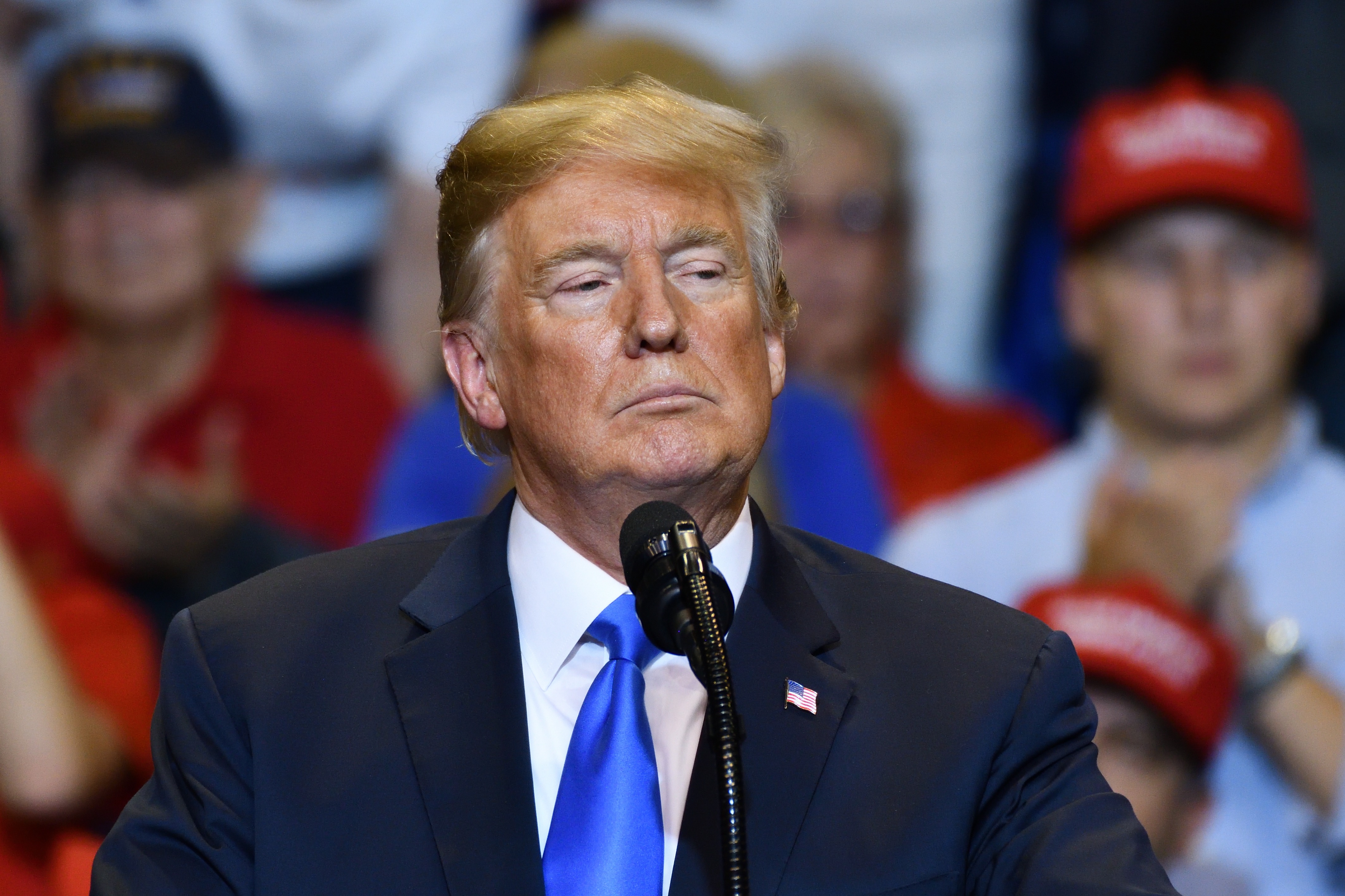
The US president has renewed a 10 per cent tariff on most goods imported from the UK, maintaining pressure on British retailers and consumer brands selling into the American market.
The US Trade Representative imposed tariffs of either 10 per cent or 12.5 per cent on 60 trading partners on Thursday, accusing them of failing to introduce and effectively enforce bans on goods produced using forced labour.
The measures cover countries responsible for 99.4 per cent of US imports and will apply to most products, although a range of exemptions has been introduced.
The UK will remain on the lower 10 per cent rate, meaning there is no immediate increase from the temporary tariff British exporters were already paying.
A UK government spokesperson said the preferential access previously negotiated with Washington would also remain in place, including sector-specific arrangements secured through the UK-US Economic Prosperity Deal.
Retailers face continued margin pressure
Although the tariff is formally paid by the US business importing a product, British retailers may still be asked to reduce their wholesale prices to offset the additional cost.
Brands selling directly to American consumers could alternatively have to absorb some of the duty themselves or increase prices at checkout, potentially making UK products less competitive against locally sourced alternatives.
The impact is particularly relevant for fashion, beauty, luxury, homeware and food and drink businesses that have treated the US as a major international growth market.
Smaller online orders are also exposed after the US suspended its $800 de minimis exemption for commercial shipments in August 2025. This means low-value parcels sent directly from Britain can be subject to tariffs and additional customs requirements rather than entering the country duty-free.
The US remains the UK’s largest export market, accounting for 21.8 per cent of total British exports in the four quarters to the end of 2025.
Official figures have already indicated that tariffs are weighing on trade. UK goods exports to the US fell by £1.5bn, or 24.7 per cent, in April 2025 following the introduction of the original levies and remained below pre-tariff levels through February 2026.
Around a third of UK exporters surveyed by the Office for National Statistics in February said they had been affected by US tariffs, with 18.7 per cent reporting additional costs.
Some products will escape the levy
The new tariffs will not apply to goods already covered by separate US national-security tariffs, including certain products subject to Section 232 measures.
Washington has also created exemptions for raw materials that are in short supply domestically, products whose inclusion could cause widespread economic disruption and goods that cannot be produced in sufficient quantities in the US.
Further exemptions may be offered where they encourage governments to strengthen their rules against forced-labour imports.
The UK could therefore seek additional exclusions as discussions with Washington continue, although individual retailers will need to check the customs classification of their products to establish whether they are covered.
The latest tariffs replace temporary 10 per cent duties that were due to expire on Friday.
Those levies were introduced after the US Supreme Court overturned Trump’s previous tariff regime in February, prompting the administration to seek a longer-term legal route under the Trade Act of 1974.
While Britain has avoided the higher 12.5 per cent rate imposed on some trading partners, the continuation of the tariff will prolong uncertainty for UK retailers attempting to expand in the world’s largest consumer market.
Click here to sign up to Retail Gazette‘s free daily email newsletter