

British retailers, manufacturers and FMCG suppliers exporting into the European Union are being urged to review how they manage pallets, crates and containers as new EU packaging rules begin to apply.
The EU’s Packaging and Packaging Waste Regulation (PPWR) generally applies from 12 August 2026, having entered into force in February 2025, with a series of packaging requirements being introduced over the coming years.
The regulation covers packaging placed on the EU market and is designed to cut packaging waste while increasing recycling and reuse across European supply chains.
For retailers and suppliers, one of the biggest operational changes will come from new reuse targets for transport packaging.
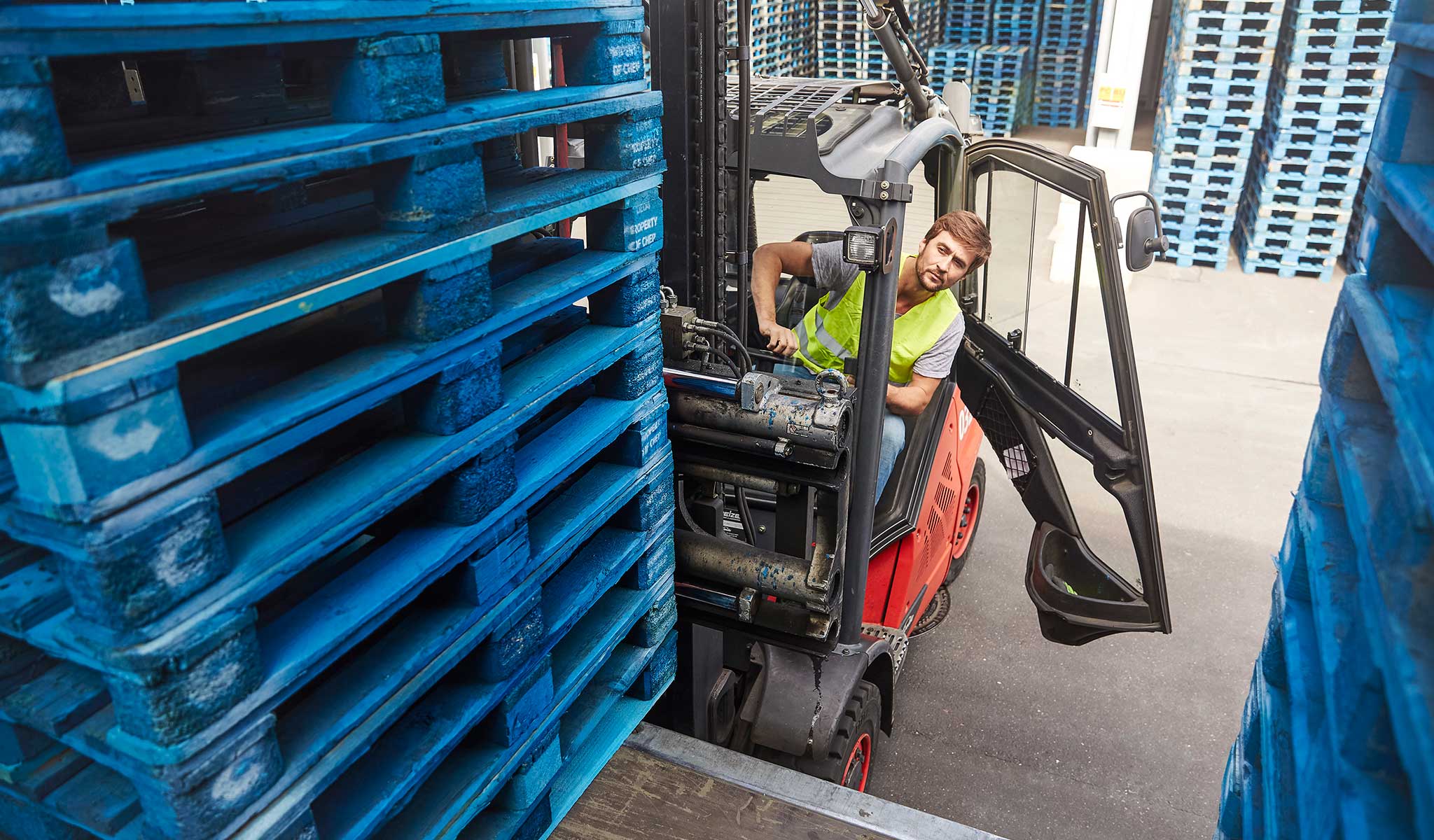
From January 2030, businesses using specified transport packaging within the EU – including pallets, boxes, trays, plastic crates, intermediate bulk containers, drums and canisters – will need to ensure at least 40% of that packaging is reusable within a reuse system.
Stricter requirements apply to some movements. Transport packaging used between sites belonging to the same business or linked companies, as well as certain deliveries between businesses within a single EU Member State, will be required to be reusable within a reuse system from 2030.
Pallet pooling company CHEP has warned that the changes mean UK businesses selling into Europe will need greater visibility over where transport packaging travels and who is responsible for recovering and managing it.
CHEP commercial director Katie Ingham said: “PPWR puts transport packaging firmly in the spotlight. For British exporters, that means pallets and containers can no longer be treated as a low-profile operational issue, because businesses will need to show how those assets move through a genuine reuse system.
“The challenge is that once packaging moves across different sites, partners and markets, visibility can easily be lost. Companies that act now to review their responsibilities, recovery processes and supporting data will be far better placed to manage compliance risk and keep goods moving smoothly across Europe.”
The rules are particularly relevant to businesses operating complex retail and FMCG supply chains, where pallets and containers can move between manufacturers, distribution centres, logistics providers and retail customers across several countries.
However, European Commission guidance makes an important distinction for goods imported from countries such as the UK. The transport packaging reuse targets apply once imported goods have been placed on the EU market and subsequently move through the EU supply chain. Where the first EU warehouse is also the shipment’s final destination, businesses are not required to unpack and repack the consignment solely to meet the reuse target.
CHEP is advising UK manufacturers and exporters to assess their pallet and container operating models ahead of the 2030 requirements, including recovery processes, repair capacity, data quality and responsibility between supply-chain partners.
Ingham added: “British manufacturing companies need to know where pallets and containers go in Europe, whether they operate within a genuine reuse system, who is responsible for recovery and repair, and whether reliable data can be produced.”
The company said businesses relying on fragmented logistics systems could otherwise face difficulties establishing responsibility and producing verified compliance data as the regulations are phased in.
The PPWR forms part of the EU’s push towards a more circular packaging system, with measures covering recyclability, recycled content, packaging minimisation and reuse being introduced at different stages rather than through a single 2030 implementation date.
Click here to sign up to Retail Gazette‘s free daily email newsletter