


A new behavioural trend emerging in UK households could have implications far beyond the dinner table. Research from surplus food marketplace Too Good To Go suggests many consumers are experiencing what it describes as “dinner decision fatigue”, a sense of overwhelm caused by the sheer number of food choices available today.
According to the research, one in ten Britons say the abundance of meal options leads them to order takeaway rather than cook. At the same time, households continue to spend heavily on groceries, with more than a quarter reporting annual grocery bills exceeding £3,600.
For retailers and suppliers, the data highlights a familiar challenge: the disconnect between what shoppers buy and what they actually eat.
Overbuying and poor meal planning remain two of the leading drivers of food waste in UK homes. Meanwhile, social media-driven food trends are encouraging consumers to buy niche ingredients for viral recipes, ingredients that often end up unused.
This is also an issue that matters at scale. The UK wastes an estimated 10.7 million tonnes of food every year, according to waste reduction body WRAP, costing the country roughly £21.8bn annually.
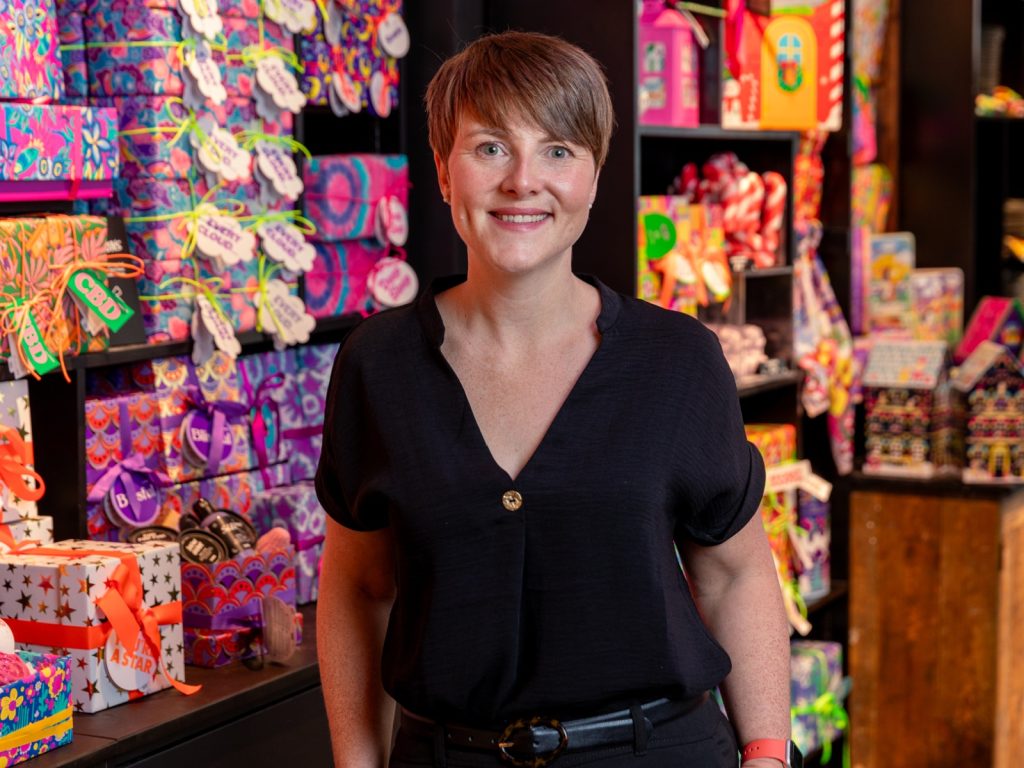
For the grocery industry, the implications stretch well beyond consumer behaviour. Retail Gazette caught up with Too Goo To Go UK and Ireland newly appointed managing director Chelsea Kerr this Food Waste Action Week to talk about the business’ latest partnership and how it aims to tackle the UK’s food waste problem.
Food Waste Action Week – ‘dinner fatigue’
The research comes during Food Waste Action Week, the UK’s annual campaign aimed at reducing household food waste.
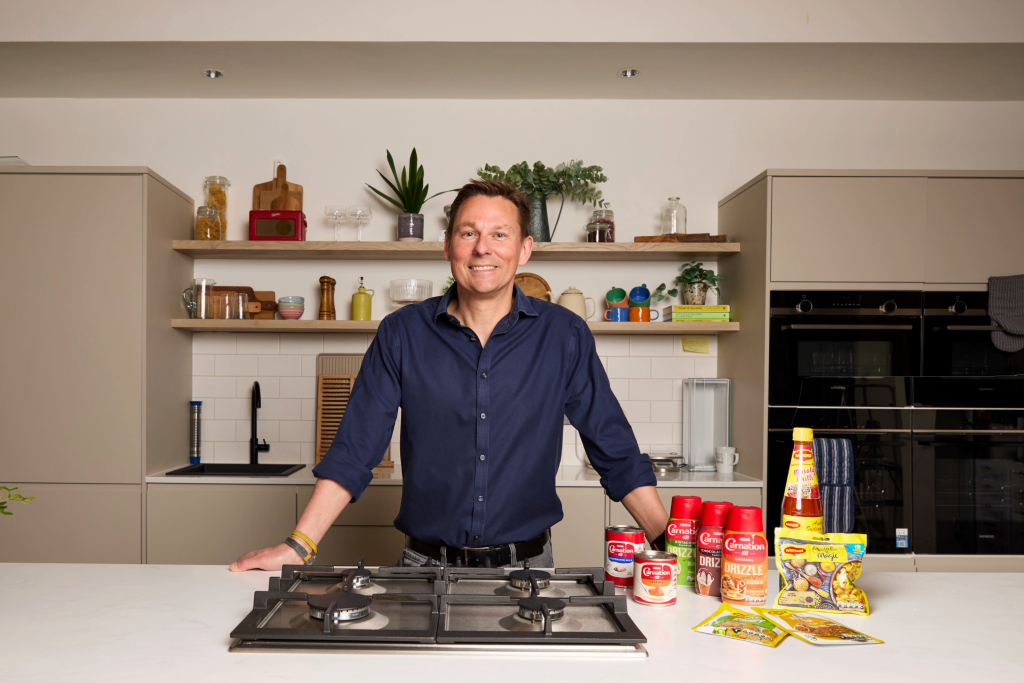
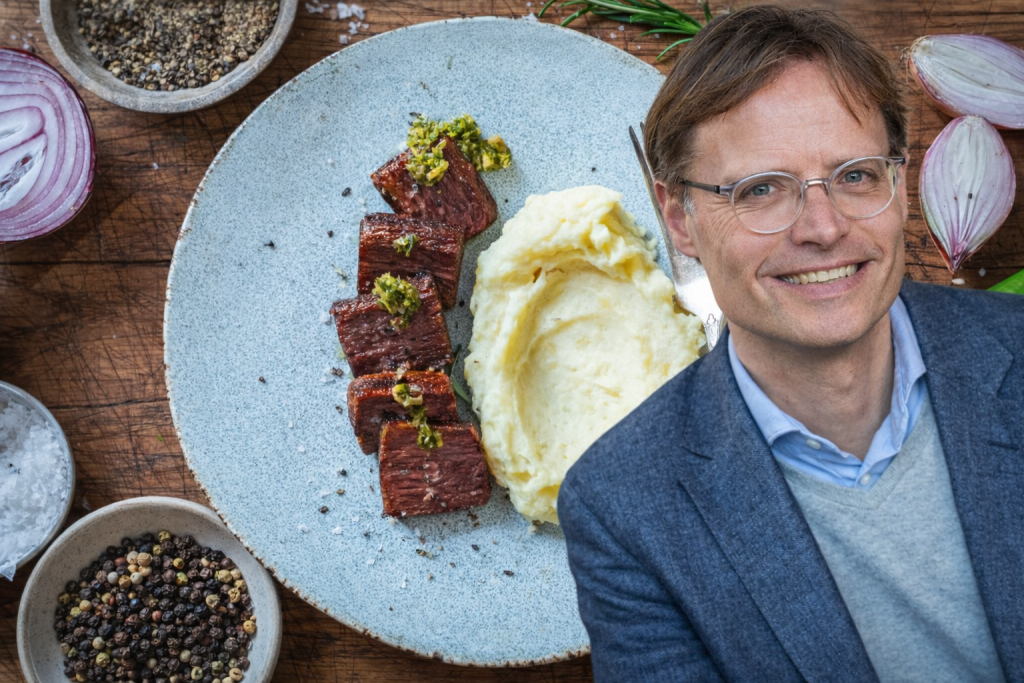
As part of the initiative, Too Good To Go has partnered with chef and social media creator Martyn Odell, also known as Lagomchef, whose content focuses on simple, zero-waste cooking.
The project aims to encourage consumers to cook more confidently using ingredients they already have at home, rather than buying niche products inspired by complex social media recipes.
 Photo: Too Good To Go. Chef and creator Martyn Odell has partnered with the surplus food organisation in a new campaign.
“Dinner decision fatigue is increasingly emerging as a behavioural driver of household food waste,” says Kerr.
“Our latest research shows that the sheer number of food choices can overwhelm consumers, with one in ten Brits saying it leads them to order a takeaway instead of cooking.
“At the same time, households continue to spend heavily on groceries, yet overbuying (23 per cent) and poor planning (22 per cent) remain key reasons food ends up being thrown away.
Odell, who has more than a million followers on TikTok, promotes flexible recipes designed to help households reduce waste and make better use of everyday ingredients. For retailers, the campaign highlights a wider challenge around the gap between what consumers buy and what they actually cook.
According to Kerr, the rise of trend-driven meals can exacerbate the problem. “For retailers, this highlights a growing disconnect between what people buy and what they actually cook,” she said.
“Trend-driven meals and viral recipes can encourage shoppers to purchase niche ingredients that often go unused, increasing the risk that good food ends up being wasted at home.”
Moving surplus further up the supply chain
However, surplus redistribution is also beginning to move further upstream. Too Good To Go’s Parcels initiative allows manufacturers to redistribute surplus products directly to consumers, providing an outlet for items that cannot be sold through traditional retail channels.
This includes products approaching best-before dates, packaging changes or excess stock created by forecasting errors.
“At the same time, solutions like Too Good To Go Parcels show how surplus can also be managed earlier in the supply chain,” Kerr said.
“Parcels provide a dedicated channel for brands to redistribute good food that can’t be sold through regular retail routes, for example due to approaching best-before dates, packaging changes, cosmetic imperfections or shifts in demand.”
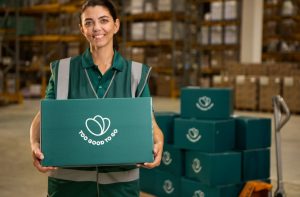 She added that these models demonstrate how surplus redistribution can become a structured part of the food system.
“Together, these approaches show how surplus redistribution can become a more structured and scalable part of the food system, helping businesses recover value, giving consumers access to affordable food, and ultimately reducing waste.”
A supply chain challenge as much as a consumer one
While dinner decision fatigue may appear to be a consumer trend, it reflects deeper structural challenges across the food system.
Retailers today offer more choice than ever, while social media can rapidly influence demand for particular ingredients or recipes.
For supply chains, that volatility can make forecasting difficult and increase the likelihood of surplus stock.
“Whether it’s helping consumers rediscover the value of the ingredients they already have, encouraging flexible cooking with everyday items, or helping reduce surplus across the supply chain,” says Kerr, “there is a clear opportunity for retailers and food businesses to support simpler meal planning so more of the food people buy is actually eaten rather than wasted.”
“Together, these approaches show how surplus redistribution can become a more structured and scalable part of the food system, helping businesses recover value, giving consumers access to affordable food, and ultimately reducing waste.”